August 11, 2026
Strike Reported at Orsk Refinery
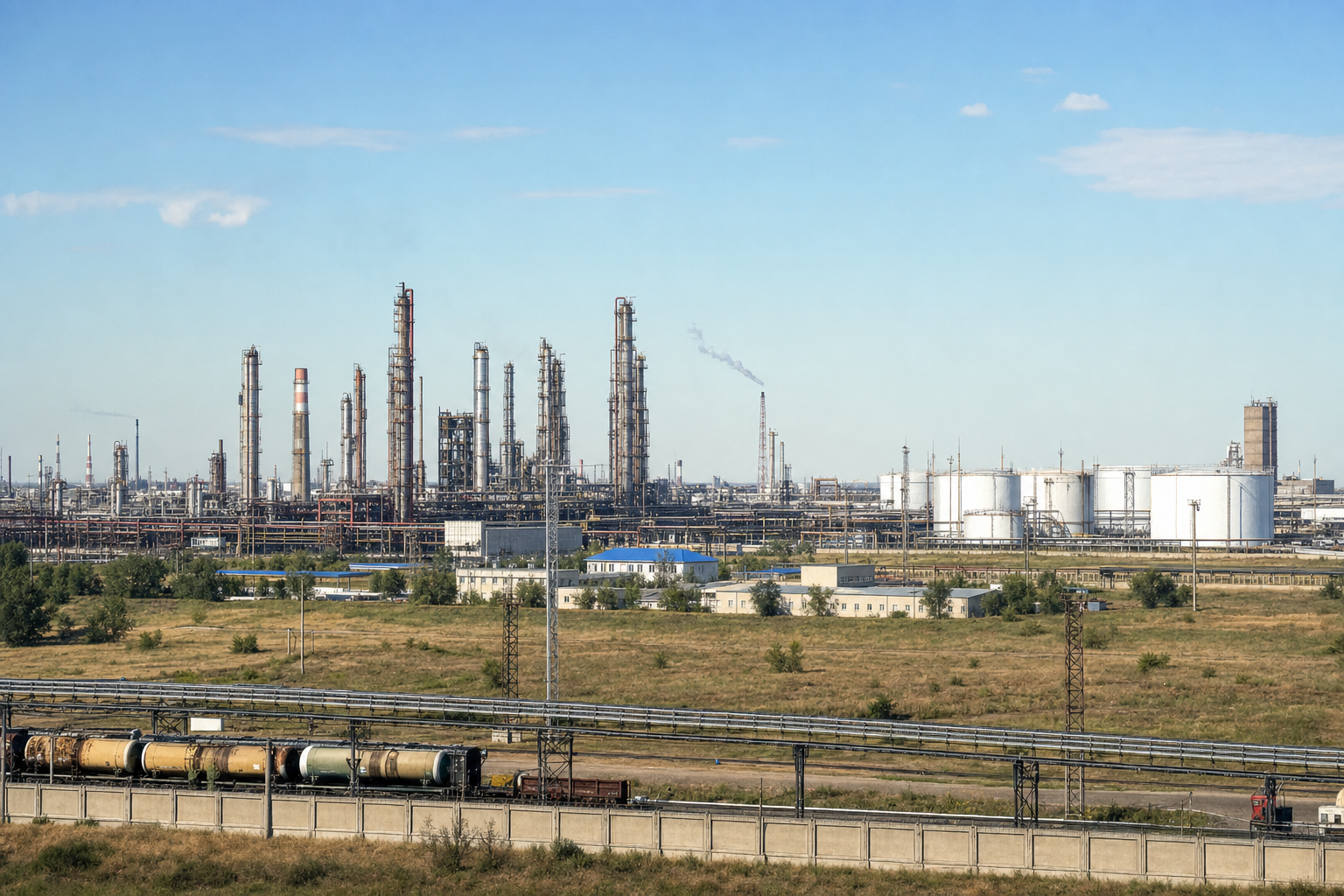
Ukraine’s military said it carried out a drone strike early Tuesday on the Orsknefteorgsintez oil refinery in the city of Orsk, in Russia’s Orenburg region. A fire was recorded at the site, and the extent of damage is being assessed. The location sits far from active combat, approximately 1,500 kilometers from the frontline, underscoring the depth at which strike capabilities are now being projected.
The refinery is described as a major facility within Russia’s downstream system. There were no immediate details on operational status, duration of any disruption, or impacts on product output. No casualties or secondary incidents were reported in initial statements.
Refining Hubs Under Pressure
The action forms part of a continuing pattern in which Ukrainian forces have targeted energy-producing and exporting infrastructure, with particular focus on key oil refining hubs. Such activity increases operational risk around complex processing assets and can prompt temporary shutdowns or precautionary slowdowns while operators verify integrity and safety systems. Where damage occurs, even localized repairs can affect throughput and product slates until units are fully restored.
For Russia’s domestic fuel logistics and export programs, unplanned outages at large refineries can lead to short-term rerouting of crude and products, drawdowns of inventories, or adjustments to maintenance schedules. The strategic distance of the Orsk location from the frontline highlights evolving air-defense and contingency considerations for facilities across the interior, not only those near border regions.
Market Context
With damage still being ascertained and no confirmed outage duration, immediate implications for regional fuel balances remain unclear. However, repeated strikes against refining nodes increase the probability of intermittent supply frictions, which can influence freight, insurance, and scheduling in refined product markets. Market participants will watch for confirmation of unit status, any curtailments to product loadings, and indications of longer-term repair needs before reassessing risk premiums.
This episode reinforces the vulnerability of energy infrastructure to long-range, low-cost aerial systems, a theme that has periodically surfaced across multiple theaters in recent years. The degree to which today’s event tightens local or export markets will depend on the scale of damage, the speed of remediation, and the availability of alternative processing capacity.
Geopolitical disruptions to energy supply chains can spill over into broader commodity sentiment; some holders prefer allocated physical precious metals as assets independent of operating infrastructure and financial counterparties.