August 9, 2026
Shock To Seaborne Energy Flows
The closure of the Strait of Hormuz to traffic has removed a significant tranche of oil and liquefied natural gas from global seaborne trade, forcing refiners and gas importers to scramble for alternative barrels and cargoes. The abrupt interruption has tightened near‑term availability and complicated voyage planning, with buyers seeking replacement supply from outside the Gulf to maintain refinery runs and meet power and heating demand.
Against this backdrop, the United States has emerged as a key stabilising force. Replacement barrels from American producers and incremental LNG cargoes are helping to offset some of the shortfall, tempering the depth of the supply shock even as logistics adjust. The immediate market response underscores the value of diverse export options when a major chokepoint ceases to function.
Decades Of Capacity Building
The U.S. energy system’s contribution today reflects years of sustained investment. Record crude oil production, large‑scale natural gas output and rising LNG exports are the product of a multi‑year build‑out in upstream activity and midstream and export infrastructure. Over decades, companies have committed billions of dollars annually to expand oil, gas and refined product supply, enabling the current response capability.
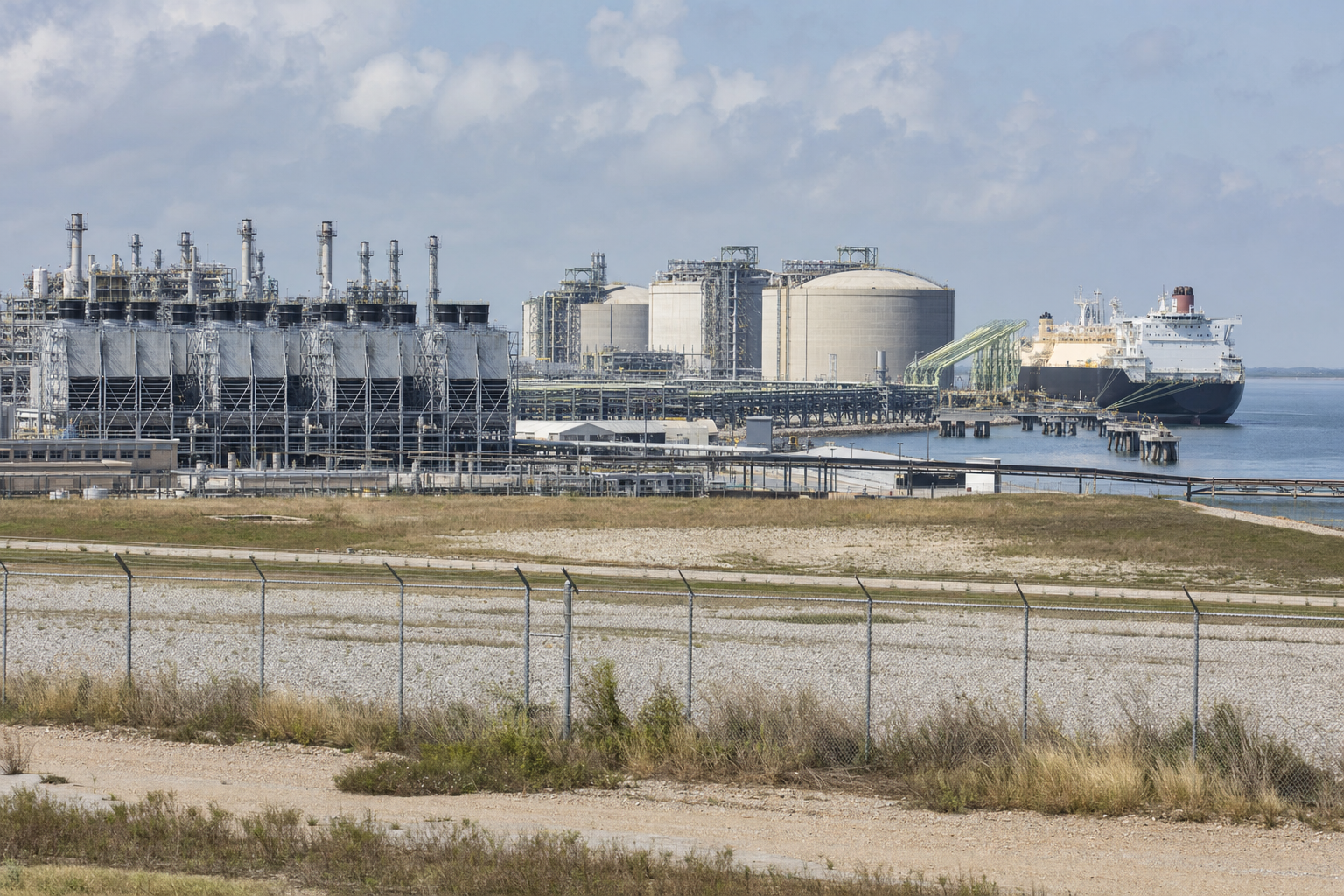
This capacity spans a wide base of onshore oil fields and gas plays supported by pipeline networks, storage and marine terminals, as well as a growing suite of LNG liquefaction facilities linked to global shipping routes. The scale and flexibility of this system allows volumes to be directed to markets experiencing acute shortages, narrowing differentials that would otherwise widen further in a prolonged disruption.
Market Rebalancing In Progress
While U.S. flows cannot fully replace the lost Middle Eastern shipments, they are cushioning the impact as trade lanes reconfigure. Refiners and utilities are securing spot cargoes and adjusting slates where possible, with U.S. crude and LNG among the primary alternatives. The process remains fluid and subject to shipping constraints and contract structures, but the structural increase in American export capacity is moderating the severity of the shock.
The coming weeks will show how quickly global balances adapt as buyers diversify intake and suppliers optimise loadings. For now, the ability of U.S. producers and exporters to deliver incremental barrels and molecules is a central factor in containing the disruption’s reach.
Periods of energy supply stress often coincide with broader risk reassessments across commodities, where allocated physical precious metals can serve as non‑yielding stores of value.