
August 14, 2026
Policy Backdrop: Incentives Cut, Charging Funds Stalled
In the early months of President Donald Trump’s second term, federal support for electric‑vehicle adoption shifted course. Funding for public EV charging infrastructure was slowed, while policy emphasis moved toward fossil fuels. The change was codified in July 2025 with the GOP‑sponsored One Big Beautiful Bill Act, which rolled back key elements of the prior clean‑energy framework. The $7,500 tax credit for new EVs and the $4,000 credit for used EVs were terminated as of September 2025, and infrastructure and manufacturing subsidies were reduced.
Those moves reshaped near‑term demand signals for electric vehicles and associated infrastructure. Automakers and charging‑network operators recalibrated plans to reflect the revised consumer incentives and public‑funding environment, with attention turning to where government support would next be focused within the broader mobility and energy ecosystem.
Parallel Push Into Battery Minerals
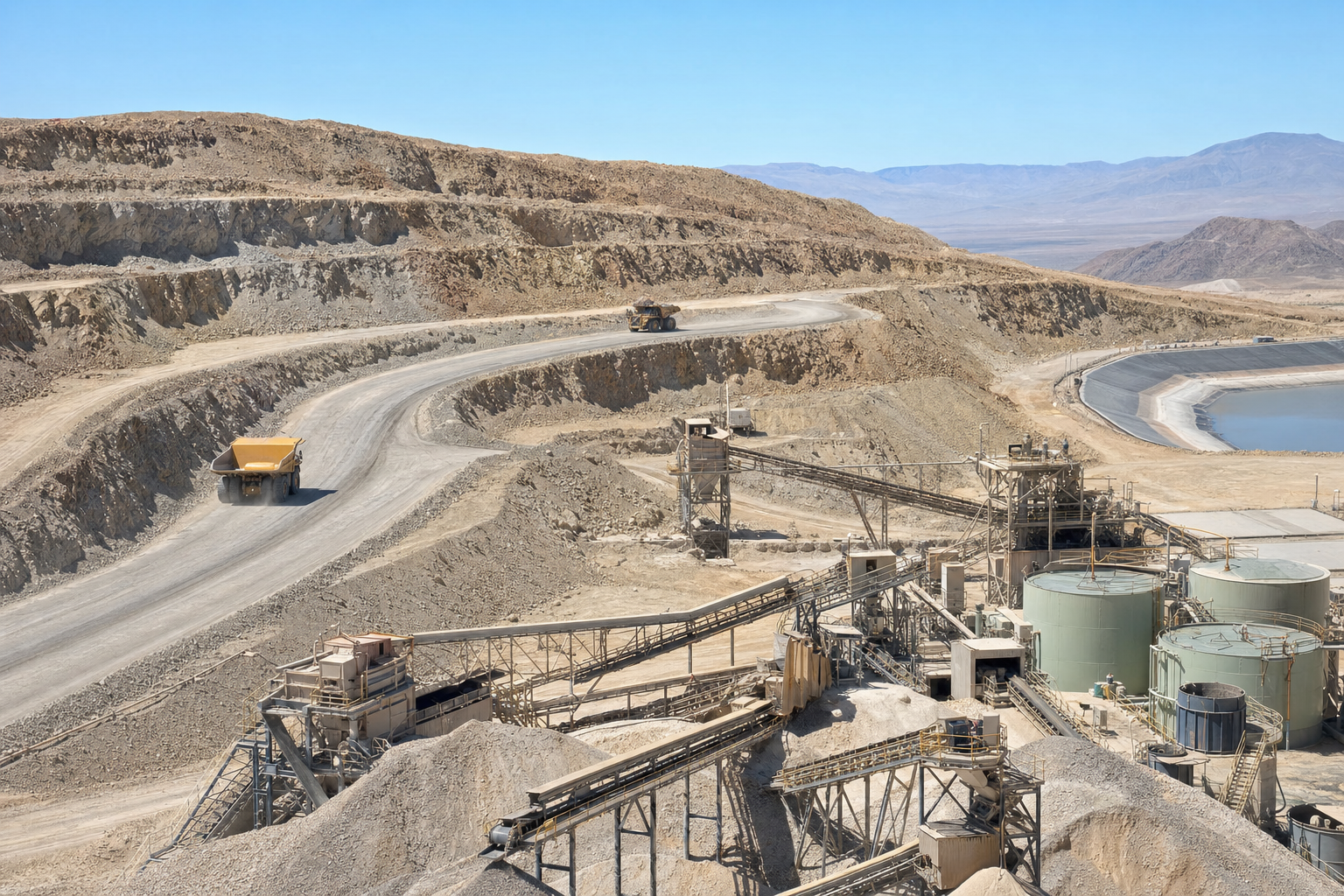
Alongside the retrenchment on EV incentives, the administration has advanced a large‑scale effort to secure domestic supplies of the minerals that underpin electric mobility and energy storage. Multi‑billion‑dollar commitments are aimed at building out U.S. capacity across the battery‑materials chain, from extraction to processing and intermediate products. The target set includes core inputs used in modern batteries, such as lithium, nickel, graphite and rare‑earth elements for motors.
This pivot concentrates federal resources on upstream and midstream bottlenecks rather than point‑of‑sale demand support. It reflects an assessment that long‑lead‑time mining and processing projects require durable capital signals to reduce reliance on overseas supply and refining, particularly in segments where global capacity is concentrated. For project sponsors, the policy mix influences timelines, permitting priorities and offtake arrangements, with attention on domestic content and regional diversification within North America.
Market Lens
For metals markets, the juxtaposition is material. Weaker consumer incentives can soften immediate EV uptake, yet expanded backing for raw‑material capacity seeks to anchor future availability and pricing stability in strategic inputs. Over time, successful commissioning of new mines and processing facilities would alter trade flows, inventory dynamics and the cost curve for key battery minerals, with knock‑on effects for manufacturers in autos, storage and electronics. Conversely, project delays or cost overruns would sustain existing dependencies and expose supply chains to external disruptions.
Investors are tracking execution risk, permitting pace and the balance between domestic output and imported intermediates. The policy combination underscores how government direction can compress or extend bottlenecks at different points in the value chain, with implications for capital allocation across mining, refining and advanced materials.
As policy cycles reshape industrial supply chains, allocated physical bullion remains outside such dynamics and is held for wealth diversification rather than manufacturing use.