August 9, 2026
Southeast Asia has absorbed an outsized hit from the energy crisis linked to the war in Iran, exposing the region’s reliance on imported fuels and volatile seaborne supply. The shock is catalyzing a shift toward more localized energy systems and indigenous generation, with policymakers and utilities seeking to blunt external price swings and strengthen security of supply. Yet the region’s rapid economic growth sits atop aging, overburdened grids that are ill prepared for a swift build-out of renewable capacity, raising the risk that momentum stalls before large-scale additions can be integrated.
Energy Shock Reorders Priorities
Fuel market volatility has redrawn risk assessments for import-dependent economies. The emphasis is moving toward diversification of energy sources, shorter supply chains where practical, and greater self-reliance in critical components. In parallel, the policy focus is expanding from headline generation targets to the less visible foundations of system reliability: grid stability, interconnection, and balancing resources.
This realignment favors projects that reduce exposure to imported fuels and price shocks. However, translating intent into megawatts requires delivery systems that can accept intermittent supply, move power from resource-rich areas to demand centers, and accommodate rapid demand growth. Without those capabilities, even shovel-ready renewable projects can face curtailment or delays at the point of interconnection.
Grid Bottlenecks Check the Pace
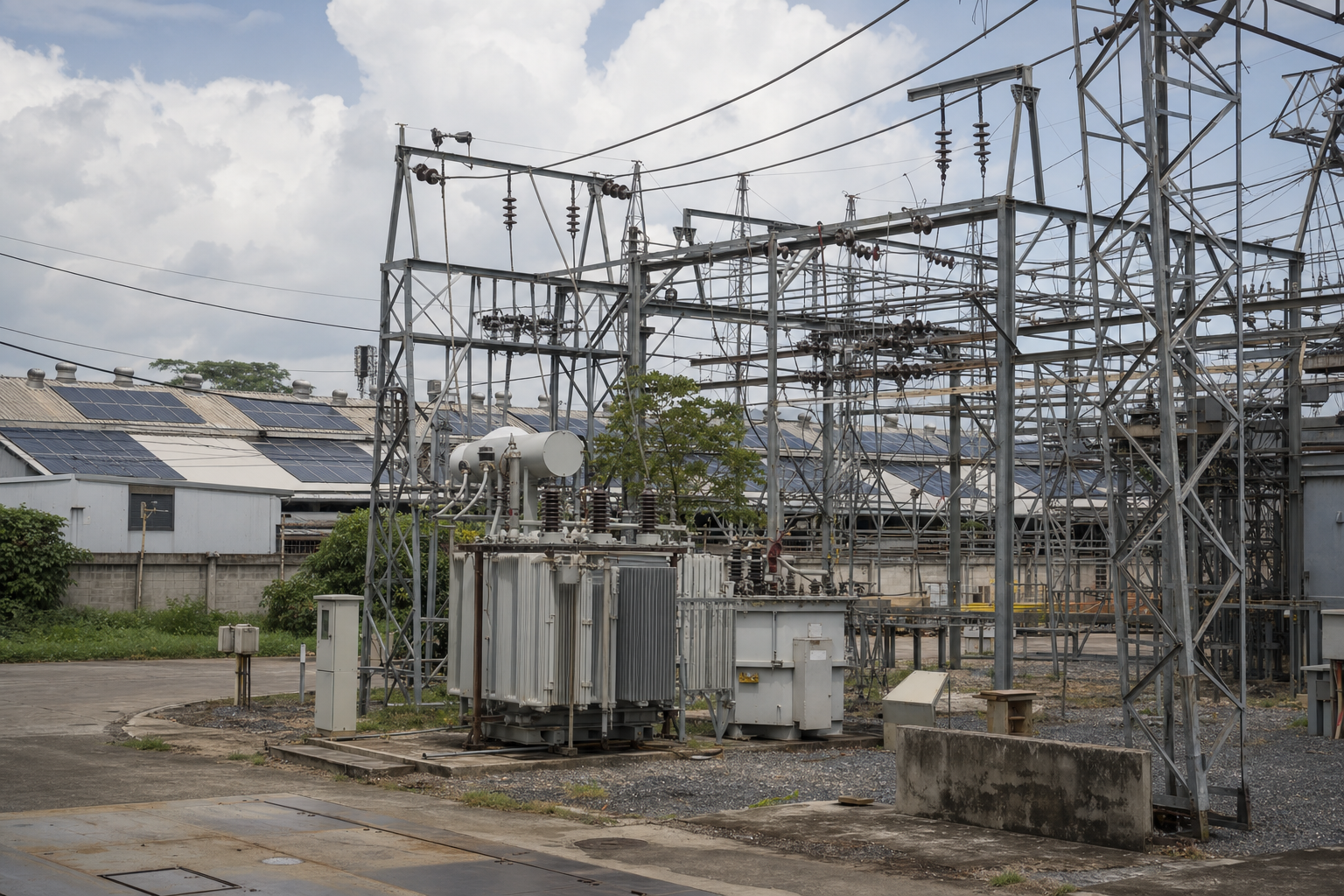
Transmission and distribution infrastructure across the region is contending with legacy equipment, limited redundancy, and congestion around urban load hubs. The technical requirements of integrating variable solar and wind—voltage control, frequency response, and reserve margins—are stretching networks originally built for centralized thermal generation. Where grid reinforcement lags, new capacity competes for scarce interconnection slots and may face constraints that erode project economics.
Load growth compounds these pressures. Expanding industrial activity and urbanization lift baseload and peak requirements, reducing headroom for intermittent additions. Investments in substations, high-voltage lines, advanced metering, and grid management software become preconditions for scaling renewables at speed. Absent timely upgrades, developers encounter longer queues, higher connection costs, and uncertain dispatch profiles.
Financing and Supply Chain Pressures
Cash-constrained utilities and public balance sheets face heavier capital demands precisely as uncertainty elevates financing costs. Currency and interest-rate dynamics add another layer of complexity for asset-heavy projects with long payback periods. At the same time, efforts to localize supply—whether in components, assembly, or maintenance—start from a small base and must compete with global demand for equipment.
These factors lengthen timelines and raise execution risk. Projects that clear permitting can still be delayed by transformer lead times, substation expansions, or protection and control retrofits. The result is a near-term gap between policy ambition and grid-readiness, even as the strategic case for diversifying away from volatile imported fuels strengthens.
The trajectory remains directionally clear, but sequencing matters: grid modernization and system flexibility are emerging as the gating items for Southeast Asia’s clean energy scale-up in the wake of the current energy shock. For investors tracking macro impacts, prolonged energy volatility can influence inflation and currency dynamics—a context in which some hold allocated physical precious metals as a store of value.