
September 27, 2026
Gold’s Appeal Framed as ‘Trustless’
Scottsdale Mint CEO Josh Phair characterizes gold as a “trustless” asset and says growing distrust in governments and global trade is pushing investors toward the metal. The framing underscores a key attribute that has long differentiated bullion from financial claims: physical gold does not depend on the solvency or performance of an issuer. It is a bearer asset that can be held outright, without ongoing obligations to a counterparty.
In periods when confidence in policy, institutions or cross‑border settlement weakens, investor attention often shifts toward assets perceived to offer resilience outside the credit system. Gold’s deep liquidity, broad international acceptance and role as collateral in wholesale markets have historically made it a destination for capital seeking to reduce counterparty exposure. Phair’s remarks align with that pattern, emphasizing the role of trust—or the lack of it—in shaping portfolio choices.
Mint‑Channel Perspective on Physical Demand
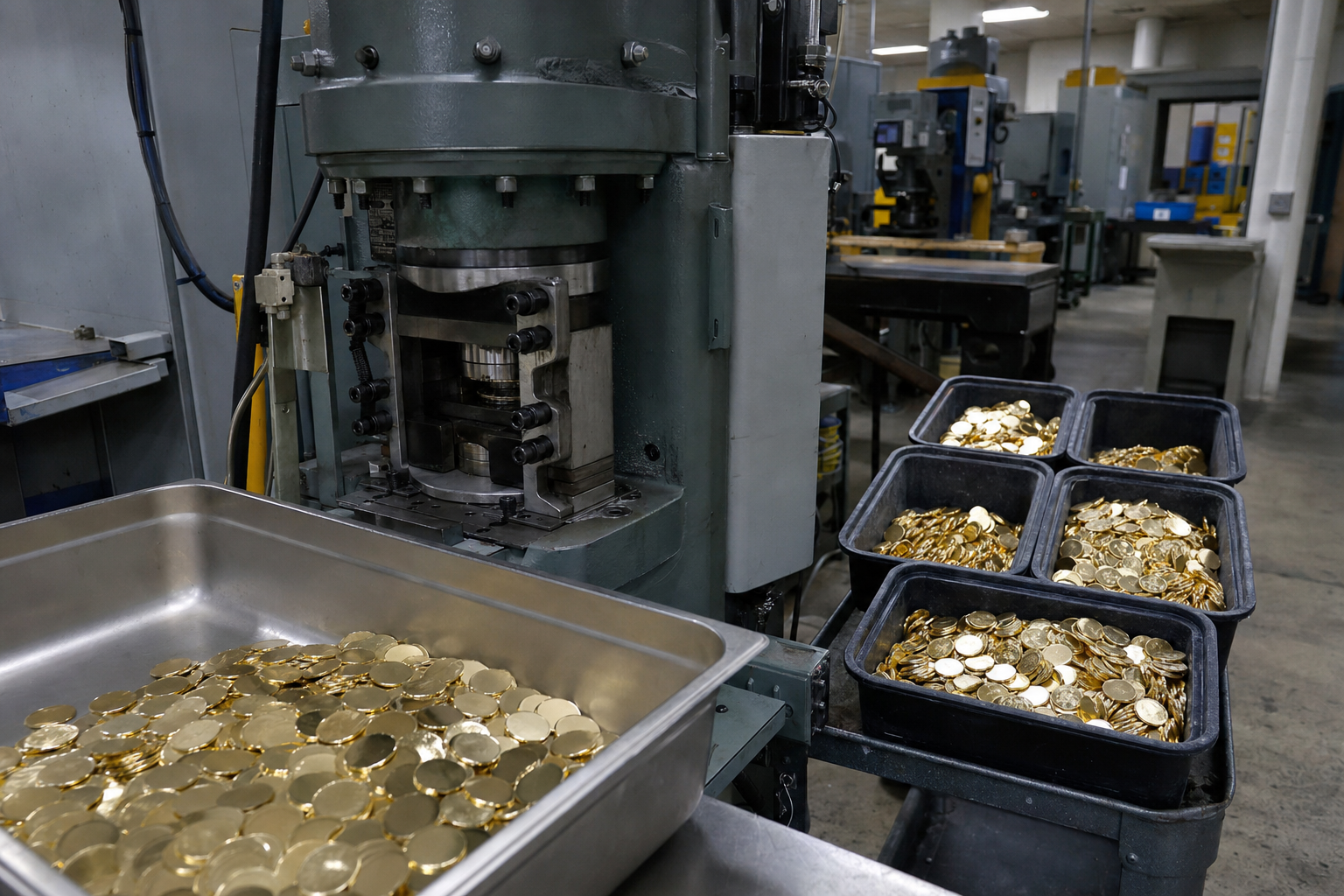
Executives at mints operate close to the fabrication and distribution of bars and coins, where shifts in retail and small‑institutional buying can first register. Phair’s comments highlight the narrative emerging from that channel: concerns around governance reliability and the frictions of global trade are informing decisions to hold tangible metal. While specific volumes and flows were not disclosed, the emphasis on “trustless” characteristics points to interest in products that settle outside traditional financial intermediaries and carry no credit risk.
Importantly, physical bullion spans a spectrum from large 400‑ounce bars to kilobars and minted coins, serving different segments of the market. In all formats, the common denominator is direct ownership of metal rather than an issuer’s promise to pay. That distinction becomes more salient when headlines revolve around sanctions, capital controls, or policy shifts that can affect access and settlement across jurisdictions.
Macro Backdrop and Portfolio Construction
The backdrop for Phair’s assessment is a world of contested trade routes, regulatory divergence and intermittent financial‑market stress. Each can elevate the perceived value of portability, fungibility and final settlement—attributes that gold has accumulated over centuries of use. In this context, the rationale for holding a portion of wealth in metal rests less on short‑term price expectations and more on structural characteristics that are independent of any single government or corporate balance sheet.
As investor conversations increasingly reference counterparty and jurisdictional risk, the distinction between unallocated claims and allocated, title‑controlled metal is central to risk management. Allocated physical bars stored in secure vaults are directly owned by the holder and carry no issuer credit risk, aligning with the “trustless” framing highlighted by Phair.