August 7, 2026
Output Rises Above 9 Million Bpd
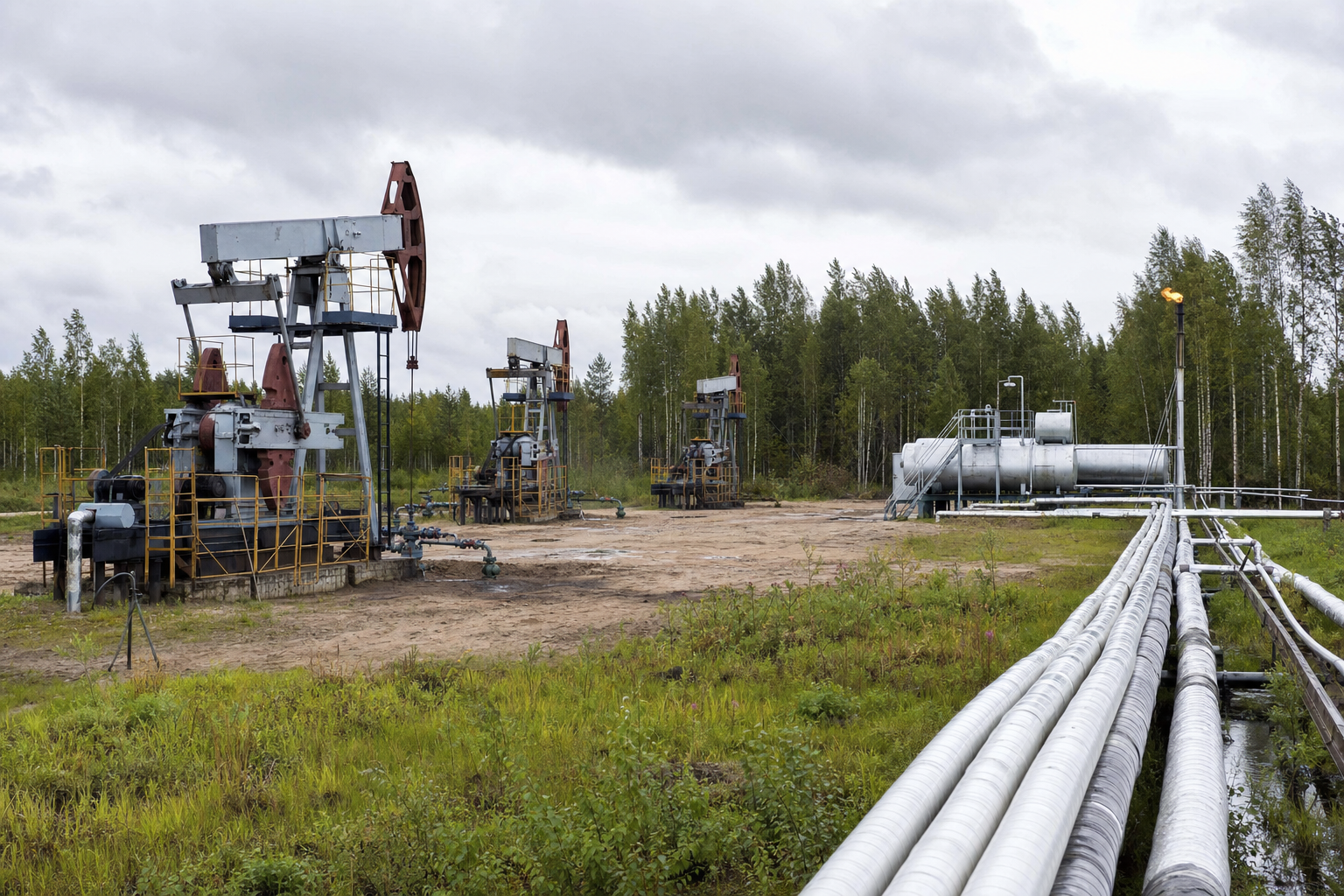
Russia lifted crude oil and condensate production above 9 million barrels per day in July, increasing output by roughly 100,000 bpd from June. The uptick reflects firmer export activity and a recovery in domestic refinery runs, which together provided outlets for incremental barrels.
Oil and fuel sales remain central to Russia’s fiscal revenues, sustaining the incentive to keep volumes flowing. That backdrop has persisted despite sanctions and repeated attacks on energy infrastructure, with producers adapting logistics and processing to maintain throughput. As a reference point for the prior month, an external estimate placed June output near 8.93 million bpd, underscoring July’s step-up.
The headline figure encompasses both crude and condensate, a standard reporting convention for Russia. Condensate output can vary with natural gas production, contributing to month-to-month fluctuations. July’s increase suggests upstream stability alongside improved capacity to place barrels either into export channels or domestic processing.
Exports and Refinery Runs
Stronger exports were a key outlet for the additional supply in July. Seaborne flows and pipeline shipments absorbed more crude as buyers drew in volumes, while recovering refinery operations took in greater feedstock after prior disruptions. The combination reduced the need for producers to curtail wells or build stocks, aligning field output with available evacuation routes and processing capacity.
Refinery run recovery is significant because it lifts domestic offtake of crude and enables steadier product supply. When plants operate more consistently, producers can maintain or modestly increase wellhead output without straining storage. In parallel, a more reliable export cadence helps balance regional inventories and supports continuous field operations.
Market Context
Incremental Russian supply adds to global availability at the margin, interacting with other producer trends and seasonal demand patterns. While the July rise eases immediate placement constraints for Russian barrels, the operating environment remains exposed to policy actions, infrastructure risks and shifts in product and crude differentials. Monthly readings will continue to hinge on refinery reliability, export logistics and condensate dynamics.
For diversified portfolios, shifts in energy supply and fuel pricing are among the factors that can influence inflation and currency conditions, which in turn often shape investor interest in allocated physical precious metals.