
August 1, 2026
Overview
Investment and policy support for renewable energy and cleantech continues to draw capital into experimental approaches aimed at increasing clean‑power output and improving reliability. Among the concepts under active development is the use of space‑based mirrors designed to boost solar power. The idea sits within a broader wave of startups raising funds to test technologies that could accelerate renewable capacity build‑out and enhance the stability of variable resources, most notably solar.
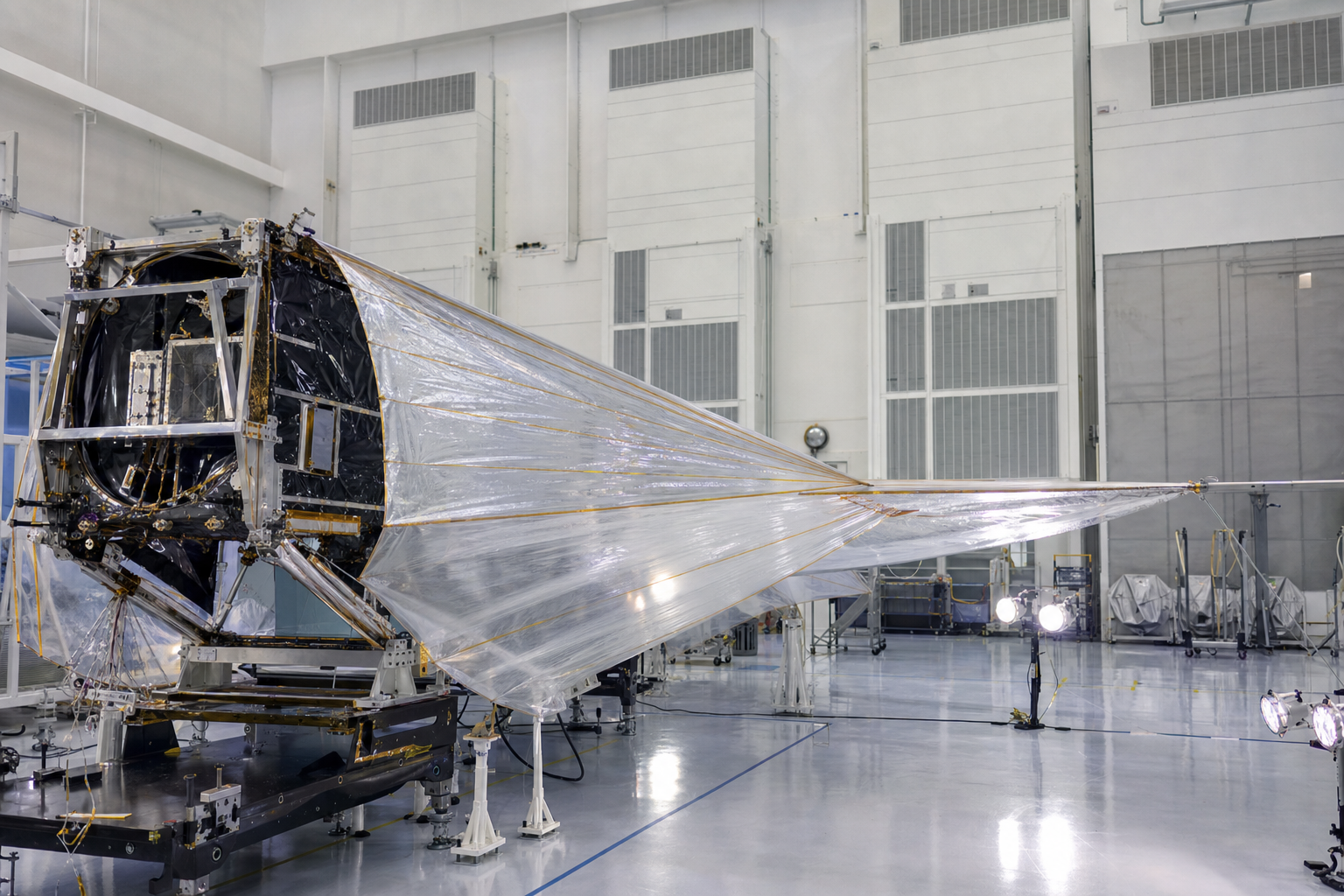
In this context, a California‑based venture, Reflect Orbital, is pursuing orbital reflectors intended to enhance solar generation. The technology has drawn attention because it proposes a non‑traditional pathway to increase available light for photovoltaic systems, positioning itself alongside storage, demand management, and grid modernization as potential contributors to a more resilient energy mix.
Regulatory Step And Industry Context
Reflect Orbital was recently granted permission from a U.S. federal communications regulator, marking an early regulatory step for the project. While technical and commercial details remain to be demonstrated, the clearance highlights how space‑enabled energy concepts are moving from concept papers toward limited real‑world activity under regulatory oversight.
More broadly, early‑stage companies across multiple markets are securing funding to pilot and validate a range of clean‑energy technologies. The focus spans deployment acceleration—getting more renewable capacity connected sooner—as well as stability, an area that has historically depended on firm generation or storage to manage variability. Orbital reflectors are being explored as one of several potential tools in that toolkit, with proponents aiming to complement ground‑based solutions rather than replace them.
Debate And Next Steps
The space‑mirror approach is controversial. Key questions include potential effects on the night sky, interactions with existing satellites, energy‑return considerations once launch and operation are accounted for, and mechanisms to control reflectivity safely over populated areas and sensitive environments. Governance and coordination—both for space traffic and for terrestrial permitting—remain central to any future scaling. These factors set a high bar for demonstration, data transparency, and on‑orbit stewardship.
From a market standpoint, the pursuit of technologies that can narrow the gap between renewable supply and demand continues to attract attention. Any path from concept to operational contribution would require phased testing, further regulatory engagement, and credible performance evidence. As these projects evolve, investors and operators will monitor how such innovations integrate with established solutions across storage, transmission, and system operations.
For asset allocation, it is notable that technology development and commodity exposure are distinct: allocated physical precious metals are a separate, tangible holding from project‑specific cleantech risk.