August 8, 2026
Market Tone
Oil prices softened this week even as conflict in the Middle East widened to the Red Sea, with traders continuing to discount a sustained supply interruption. Brent crude fell below $80 per barrel and West Texas Intermediate dropped under $75 earlier in the week, a move that coincided with comments from President Trump indicating that peace talks between the United States and Iran had resumed. Iranian officials publicly denied that any such talks were underway. The immediate price reaction suggested that market participants assigned greater weight to prospects for de-escalation than to the risk of new disruptions to physical flows.
The prevailing tone points to a thinner risk premium than might typically be associated with a broadening regional conflict. Spot benchmarks have been responsive to headlines, yet follow-through has been limited, indicating a market framed by expectations that shipping lanes will remain navigable and that diplomatic channels could cap further escalation. The result has been rangebound trade punctuated by brief downside moves when signals of dialogue surface.
Diplomacy And Chokepoints
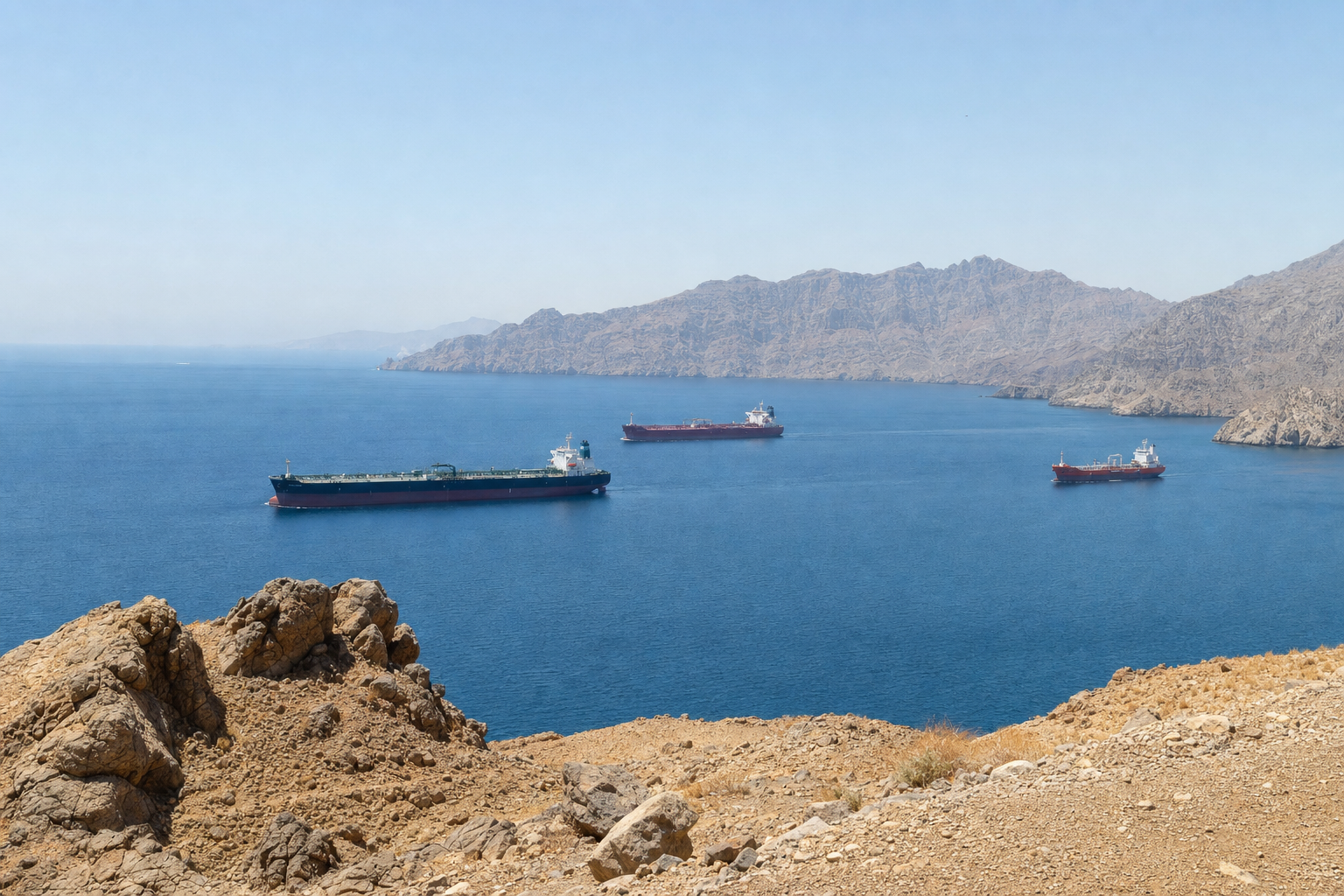
Beyond the conflicting statements on US–Iran contacts, Iran is negotiating with Oman on matters related to the Strait of Hormuz. Any arrangement affecting oversight or coordination in this corridor would be closely watched, given Hormuz’s role as a primary outlet for Gulf crude and products. At the same time, the extension of hostilities into the Red Sea adds complexity for shipping, insurance and routing through the Bab el‑Mandeb, though the recent price action implies that traders are, for now, treating these risks as manageable.
In this setting, the market is balancing two narratives: incremental geopolitical strain across multiple maritime chokepoints versus intermittent indications of possible diplomatic movement. The former typically argues for a higher freight and security premium; the latter exerts downward pressure on benchmarks as participants anticipate fewer supply interruptions. This tension has kept attention focused on transit conditions, official statements from regional capitals, and any changes in vessel flows rather than on wholesale revisions to demand or inventory assumptions.
What We’re Watching
- Any confirmation, timetable or framework around potential US–Iran engagement, and whether public denials persist.
- Details from the Iran–Oman discussions concerning the Strait of Hormuz and any operational implications for traffic management.
- Evidence of altered routing, insurance costs or delays through the Red Sea that might warrant a reassessment of risk premia in benchmarks.
Episodes of geopolitical strain that influence transport of energy commodities often prompt renewed interest in tangible stores of value, including fully allocated precious metals held outside the financial system.