July 29, 2026
Crude Surges Into Policy Day
Oil prices advanced sharply on Wednesday, with gains exceeding 7% as geopolitical risk returned to the forefront of energy markets. West Texas Intermediate moved above $84 per barrel and Brent approached $90, extending an intraday rally that gathered momentum ahead of a closely watched U.S. interest-rate decision later today.
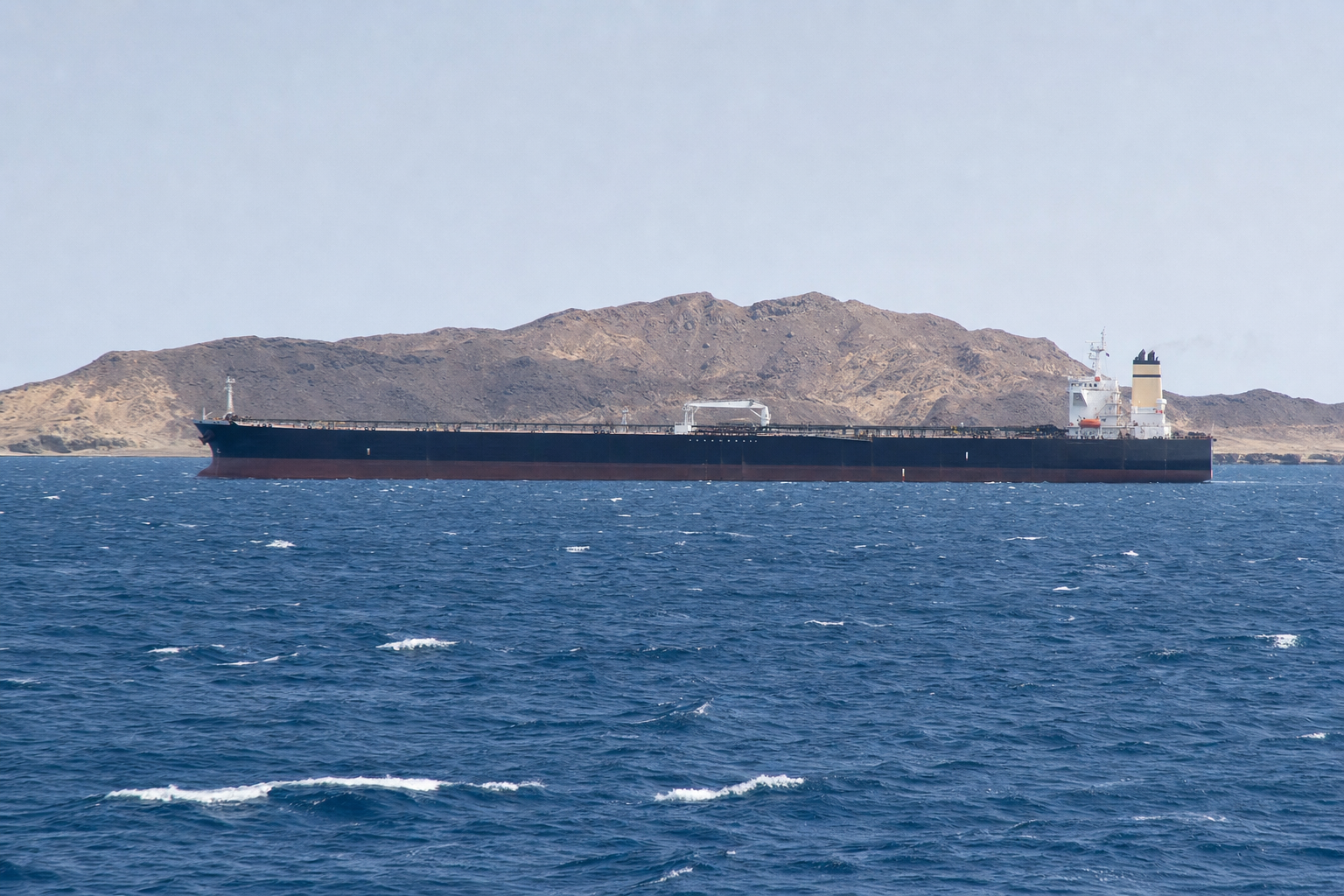
The move followed a fresh escalation in U.S.–Iran tensions. President Donald Trump said the United States would “hit Iran hard” following an attack on a U.S. base in Jordan. In parallel, market focus tightened on the Red Sea corridor, where Iran‑aligned Houthi activity has unsettled commercial traffic. Signals that the group weighed imposing fees on commercial shipping added to concerns over safe passage through regional waters.
Bab el‑Mandeb Risk Reprices Supply Routes
The Bab el‑Mandeb strait links the Red Sea and the Gulf of Aden, connecting flows from the Indian Ocean to the Suez Canal and onward to Mediterranean markets. Threats to shipping through this chokepoint can alter voyage plans, extend delivery times and raise freight and insurance costs. Even without a physical supply loss, the prospect of disrupted transit typically elevates the risk premium embedded in benchmark prices as traders assess potential delays and rerouting around Africa.
With crude benchmarks consolidating near session highs, attention remains on any signs of sustained interruption to tanker traffic and the degree to which shippers adjust schedules or diversify routes. The sensitivity of refined product supply chains—particularly diesel and jet fuel—to longer haul times further concentrates market attention on the strait’s operating conditions.
Inflation Channel Back in View
A swift upswing in crude reopens the energy inflation channel at a delicate moment for monetary policy. Higher oil prices tend to filter through to transportation and input costs, influencing headline inflation readings that central banks monitor closely. Today’s move arrives just hours before a Federal Reserve decision, adding a fresh variable to the market’s interpretation of the policy outlook.
Beyond the immediate policy window, participants will watch whether today’s spike proves transient or persists through follow‑on headlines. The durability of geopolitical risk premia, the behavior of shipping insurers, and any incremental changes in OPEC+ supply management will shape how much of this move carries into physical markets and, in turn, consumer prices.
In periods of geopolitical and inflation uncertainty, some investors prefer direct, allocated ownership of physical precious metals to eliminate financial counterparty exposure.