August 6, 2026
Nigeria Sets Five-Year Offshore Investment Ambition
Nigeria’s Upstream Petroleum Regulatory Commission (NUPRC) said the country expects to attract between $30 billion and $50 billion of investment across 22 offshore oil and gas projects over the next five years. The regulator framed the program as a dual objective: lifting production while stimulating employment, expanding infrastructure and bolstering energy security. The plan also seeks to strengthen Nigeria’s positioning for global upstream capital amid ongoing competition for long‑cycle funding.
NUPRC chief executive Oritsemeyiwa Eyesan outlined the investment window and targets, underscoring the expectation that a coordinated project slate can draw sustained commitments from operators and their partners. While granular project details were not disclosed, the emphasis on offshore activity points to capital‑intensive developments with multi‑year execution horizons.
Project Scope and Execution Considerations
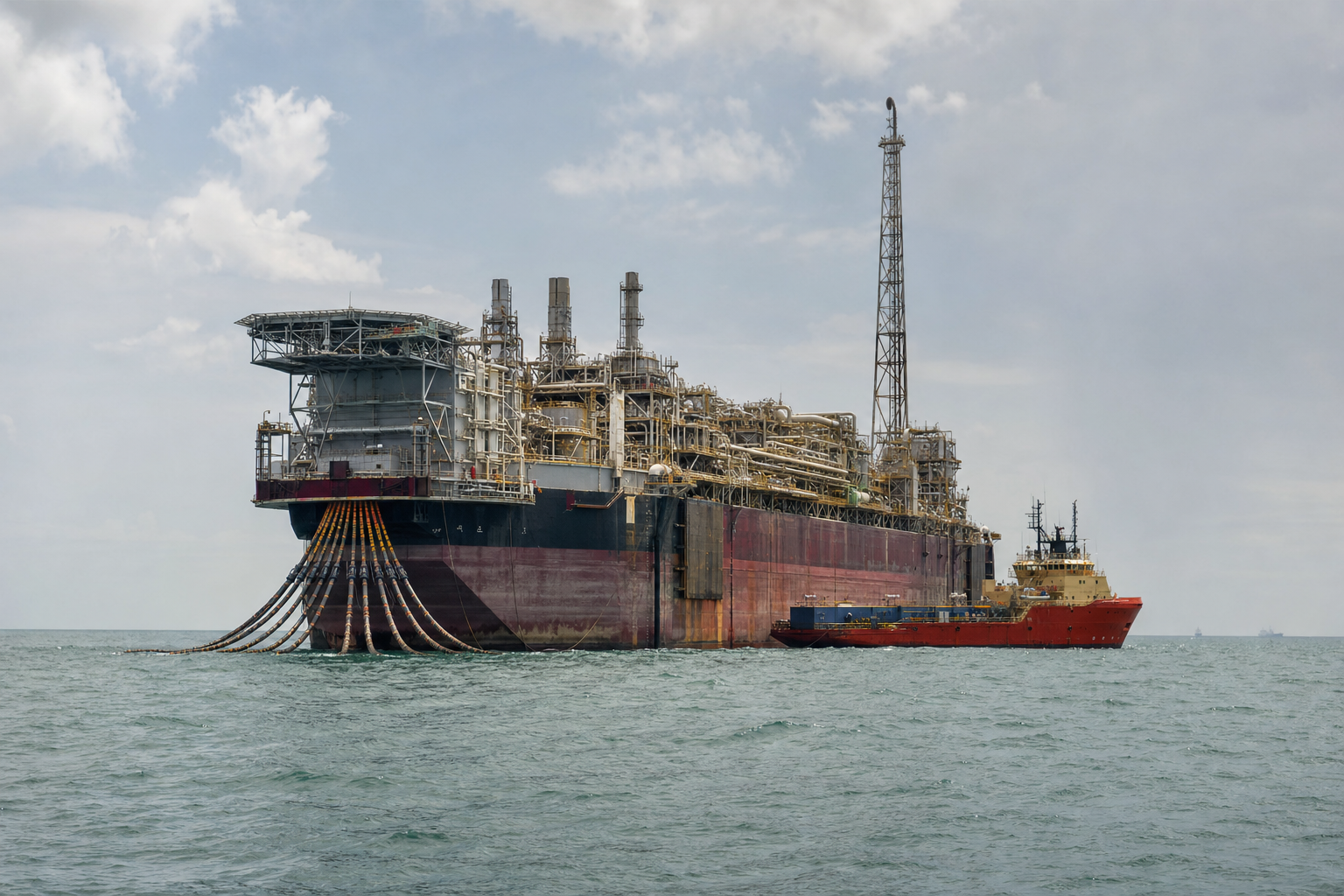
Offshore programs of this scale typically span drilling campaigns, subsea infrastructure, and production handling—often via floating production, storage and offloading vessels (FPSOs) or fixed platforms—alongside associated pipelines and onshore support bases. Supply chains for such work mobilize fabrication yards, marine logistics, well services and maintenance contractors, with knock‑on effects for local ports, power, storage and gas handling infrastructure. The regulator’s linkage of the investment drive to job creation and infrastructure build‑out aligns with the long construction and operations phases characteristic of offshore projects.
Securing the full range of vendors and equipment—subsea trees, umbilicals, flexible pipe, drilling rigs and installation vessels—remains a central determinant of schedule and cost outcomes. Phasing, standardization and timely permitting can help de‑risk execution, as can clear fiscal terms that support capital deployment across price cycles. Gas components within offshore developments may also play a role in domestic energy reliability where evacuation routes and processing capacity are available.
Market Implications and Watchpoints
If realized on the indicated timetable, incremental offshore output from West Africa would contribute to Atlantic Basin crude and liquids supply over the medium term, with associated gas volumes offering optionality for power or export pathways where infrastructure allows. For investors tracking project momentum, key signals include contract awards across subsea and marine scopes, installation activity at coastal yards, and hull or topsides readiness for any planned FPSOs.
The breadth of the 22‑project slate suggests a portfolio approach where individual project timelines can flex without derailing overall targets. Against that backdrop, execution discipline, logistics throughput and financing cadence will shape how the investment range translates into physical barrels and molecules over the five‑year horizon.