August 13, 2026
Permit Covers Puka Field and Oru Prospect
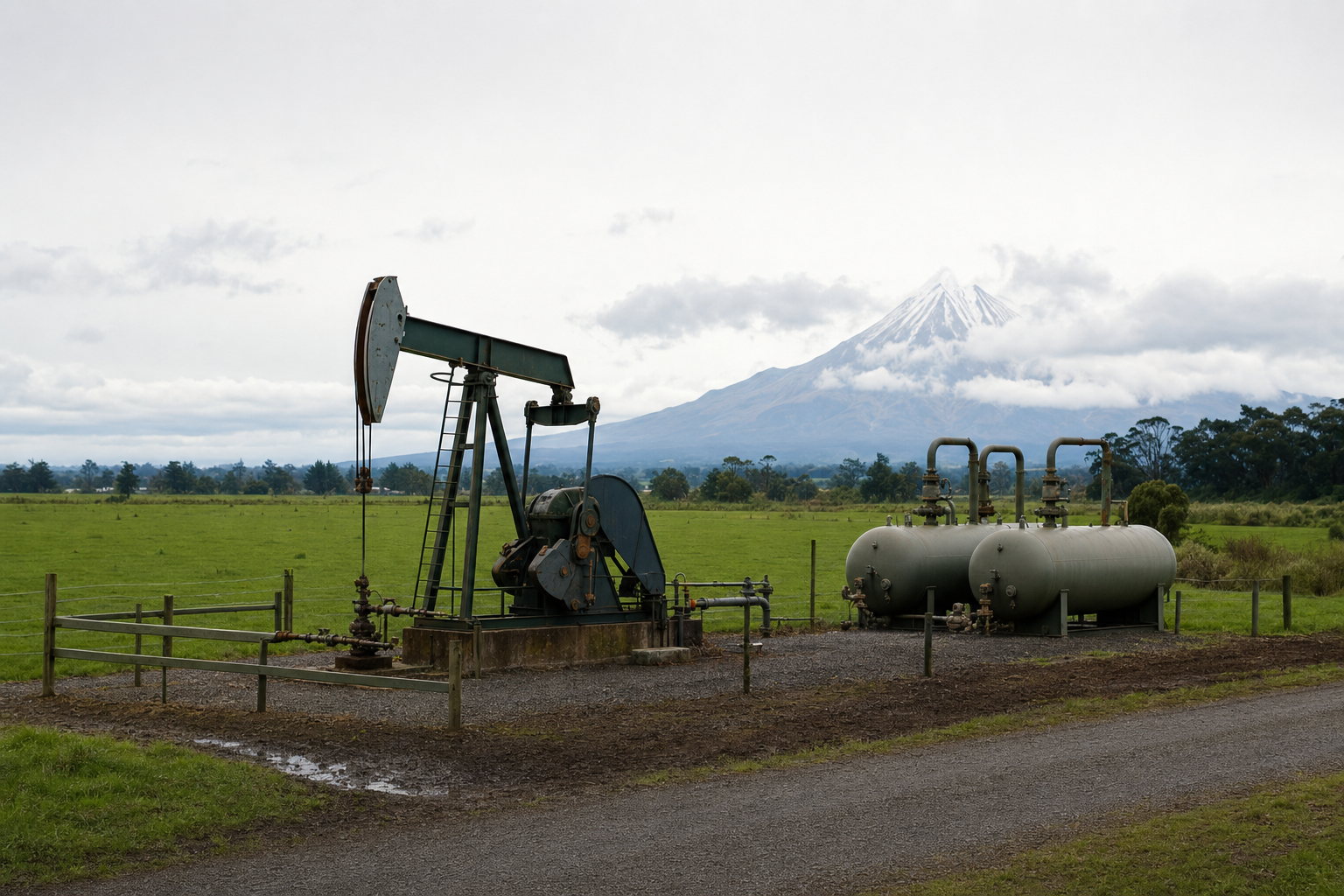
New Zealand has issued a 10-year petroleum mining permit in the onshore Taranaki region, adding fresh upstream capacity to support the domestic energy mix. The regulator, New Zealand Petroleum and Minerals (NZP&M), granted the permit to Matahio NZ Onshore Limited for the Puka field, a small oil and gas accumulation discovered in 2012. The licensed area also includes the Oru prospect, identified by the government as a promising target within the permit boundary.
A petroleum mining permit provides the legal framework to develop and produce hydrocarbons from a defined area over a set term. In practical terms, the award enables the operator to plan and execute field activities that could range from appraisal and development drilling to facility upgrades and tie-ins, subject to the requisite environmental and safety approvals. Inclusion of the Oru prospect offers scope for additional appraisal within the permit area alongside any steps taken to advance Puka toward sustained output.
Focus on Domestic Gas Supply and Security
The decision comes amid heightened attention to energy security and the reliability of domestic fuel supply. In this context, the permit is intended to help bolster natural gas availability for the New Zealand market. Natural gas plays a role in the country’s energy system for power generation and industrial consumption, and incremental onshore production can contribute to balancing local demand, particularly when access to flexible, nearby supply supports system reliability.
While specific development timelines and production profiles were not disclosed, a 10-year term affords the operator latitude to sequence work programs and capital allocation in line with subsurface results and market needs. For a smaller discovered field such as Puka, operators commonly evaluate re-entries, infill locations, or modest surface facility additions to optimize recovery, with any new prospect such as Oru undergoing targeted appraisal to test commercial potential. Execution in onshore settings typically benefits from shorter lead times relative to more complex offshore developments.
What to Watch
Key milestones to monitor include the submission and approval of detailed work plans, appraisal results from the Oru prospect if pursued, and any updates to expected gas availability to the domestic market as activities progress. Regulatory engagement and environmental stewardship will remain integral as the permit transitions from planning to field operations.
As jurisdictions weigh supply security across energy systems, some investors also revisit allocations to tangible assets held outside the financial system, including allocated precious metals stored in secure vaults.