August 6, 2026
LNG Disruption Escalates As Conflict Redraws Trade
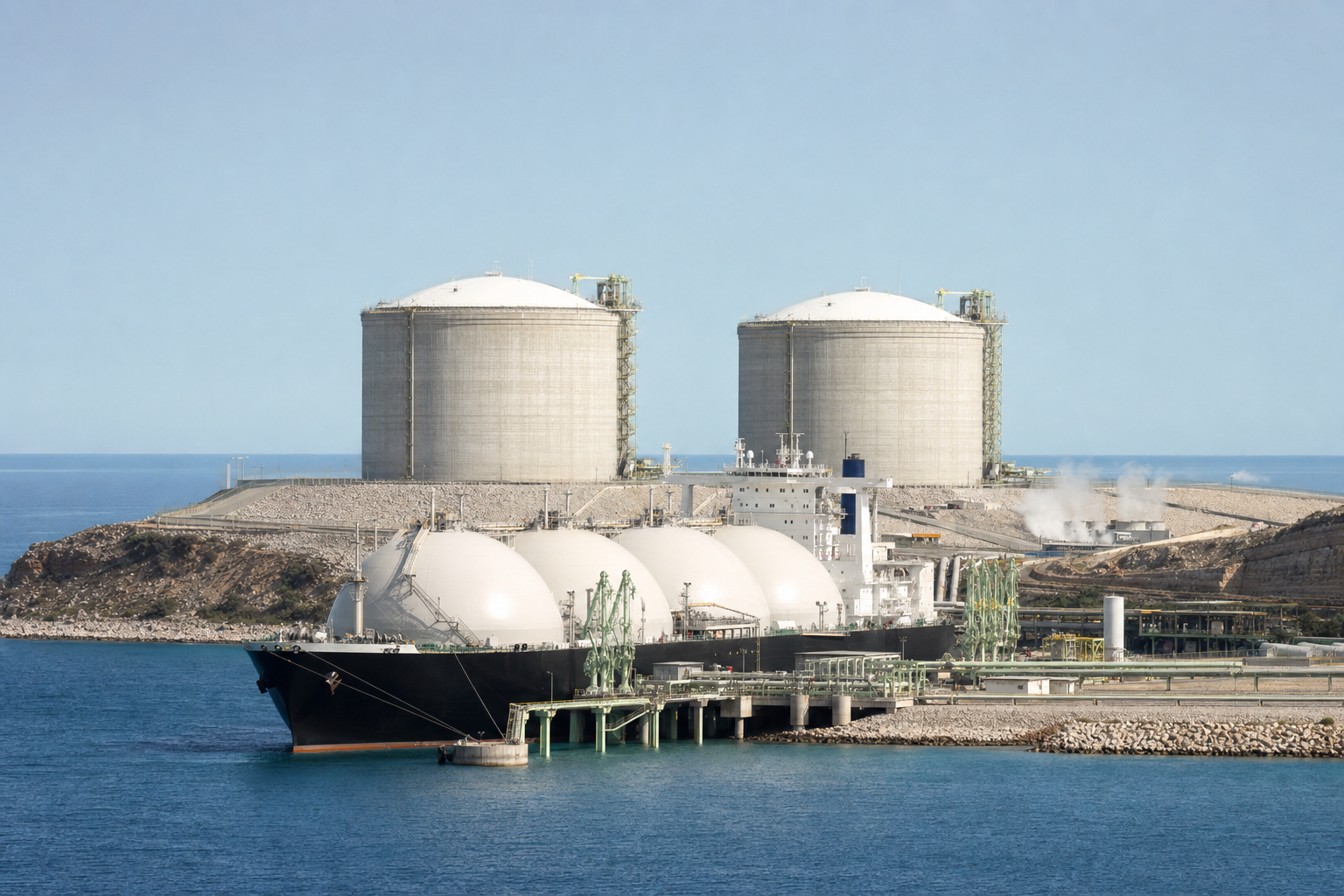
The war in the Middle East has created an unusual degree of upheaval in global energy flows. While crude oil typically commands the spotlight, the strain in liquefied natural gas is arguably more acute. The combination of conflict risk and the technical demands of LNG logistics is narrowing optionality across the value chain at a time when demand centers remain sensitive to supply reliability.
Unlike crude, LNG relies on dedicated liquefaction and regasification capacity and a specialized fleet of cryogenic carriers. That infrastructure intensity makes rapid rerouting and substitution harder when shipping lanes or regional facilities face heightened risk. The resulting friction is drawing more market attention to LNG’s vulnerability to geopolitical shocks and the potential for sustained distortions in trade patterns if conflict persists.
Growth Narrative Meets Geopolitical Risk
Before and during the current conflict, the long-term LNG narrative remained expansive. At the end of June, Shell projected global LNG demand could approach 700 million tons per year by 2050, roughly 65% higher on a multi-decade view. The present disruption raises the question of how that trajectory is achieved if trade routes, insurance costs, and operational planning must absorb a more persistent risk premium.
The war’s potential to reshape LNG’s outlook sits at the intersection of demand resilience and supply deliverability. On the supply side, investment timing, project execution, and contract structures may evolve to reflect route security and counterparty risk. On the demand side, buyers balancing affordability with security may diversify procurement and infrastructure, with implications for term contracting and spot exposure. None of these shifts negate the case for LNG in power and industry, but they may alter how and where capacity is built and how cargoes move.
What We’re Watching
- The duration and geographic scope of conflict relative to key LNG shipping corridors and export/import facilities.
- Adjustments in cargo scheduling and the ability of buyers and sellers to manage inventories and maintenance without amplifying volatility.
- Policy and regulatory responses aimed at energy security, including diversification and infrastructure buildout timelines.
- Signals from regional gas hubs and term contracting activity that indicate confidence (or caution) in multi-year supply arrangements.
The immediate focus is operational continuity; the longer-term question is whether the industry can expand along its projected path while accommodating a higher baseline of geopolitical risk. For investors monitoring real-asset exposures, the contrast between paper claims on commodities and direct, allocated physical ownership of precious metals is a practical consideration in risk management.