August 10, 2026
Kazakhstan Maps Alternatives To Novorossiysk
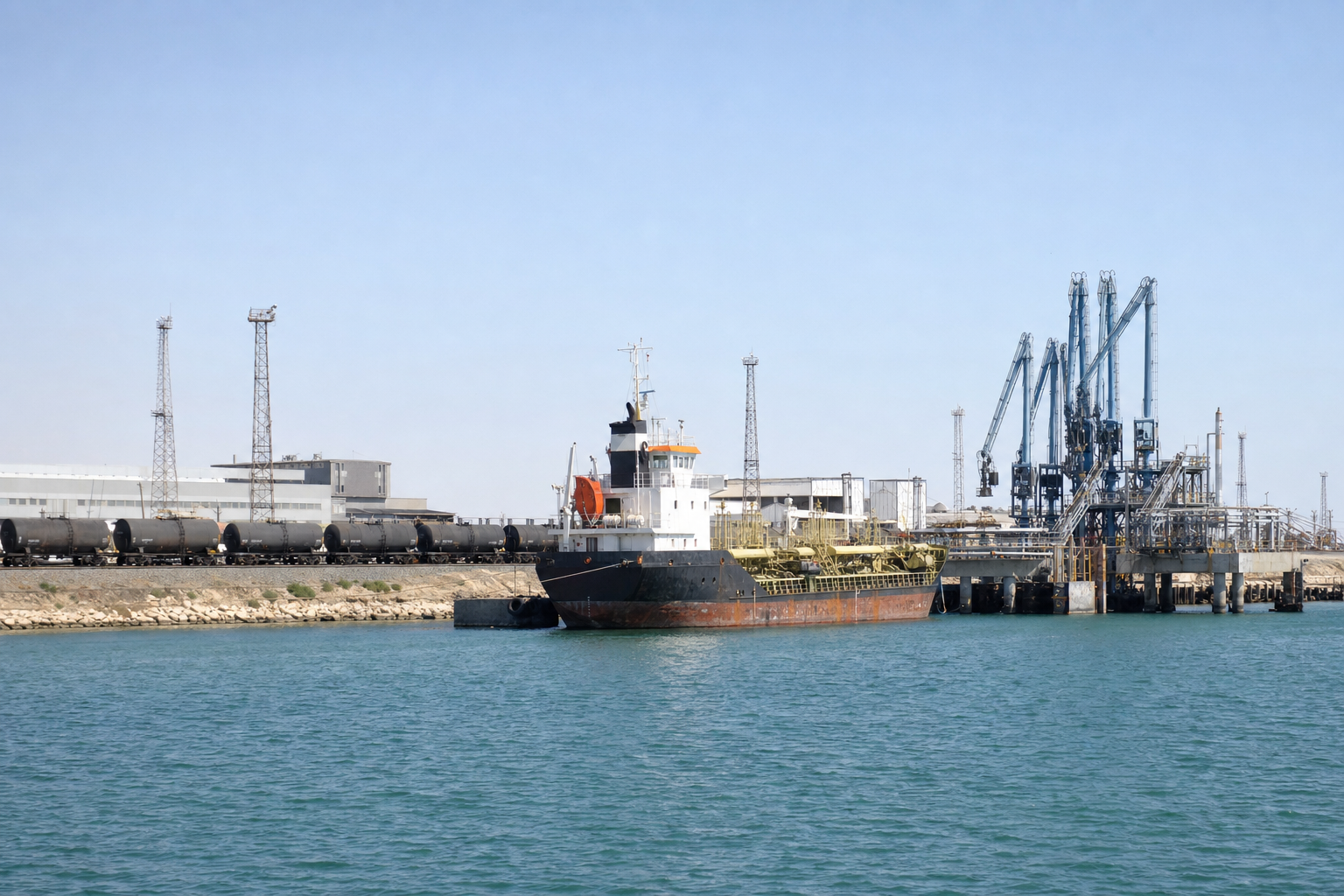
Kazakhstan is preparing to divert part of its crude exports away from the Black Sea amid continued threats to shipments routed through the Russian port of Novorossiysk. The Ministry of Energy said Monday it is evaluating multiple alternatives, including transportation via the Baku–Tbilisi–Ceyhan (BTC) pipeline system, trans-Caspian shipments through Azerbaijan, and the Baku–Supsa route.
The review underscores rising operational risk around Black Sea terminals following drone activity that has periodically targeted regional infrastructure. While Novorossiysk remains a key outlet for regional crude, Kazakhstan is working on re-routes to maintain continuity of flows should disruptions intensify.
Logistical Implications Across The Caspian And Caucasus
Each option under consideration would pivot Kazakh barrels toward the South Caucasus. A trans-Caspian leg would move crude by tanker across the inland sea to Azerbaijan, where it could enter the BTC pipeline to Turkey’s Mediterranean port of Ceyhan or the shorter Baku–Supsa line to Georgia’s Black Sea coast. The ministry’s reference to the BTC system, Caspian shipments via Azerbaijan, and Baku–Supsa indicates a multi-corridor approach that could be adjusted as conditions warrant.
Shifting export pathways typically involves commercial and technical coordination with pipeline operators, port authorities and maritime logistics across several jurisdictions. Routing through BTC would position cargoes for Mediterranean discharge, while Baku–Supsa would retain a Black Sea destination but outside the immediate Novorossiysk area. Trans-Caspian shuttle capacity, pipeline scheduling, and terminal availability are common considerations in such diversions. The ministry did not specify timelines or volumes for potential reallocation.
Market focus will be on the resilience of regional supply chains as exporters diversify risk across multiple corridors. Alternative routes can mitigate single-point exposure to disruptions and distribute load across different maritime basins and terminals. For refiners and traders, any sustained rebalancing of flows between the Black Sea and the Mediterranean can influence freight patterns and timing, even if headline volumes remain stable.
Kazakhstan’s step to widen its routing options reflects a pragmatic response to a fluid security backdrop around the Black Sea. Maintaining optionality across the Caspian and Caucasus corridors offers a buffer against operational interruptions, while leaving scope to scale usage in line with prevailing conditions.
In periods of transport disruption, the contrast between seaborne energy logistics and the storage characteristics of allocated physical bullion is often noted by risk-focused investors.