August 12, 2026
Flows Ease Through A Critical Chokepoint
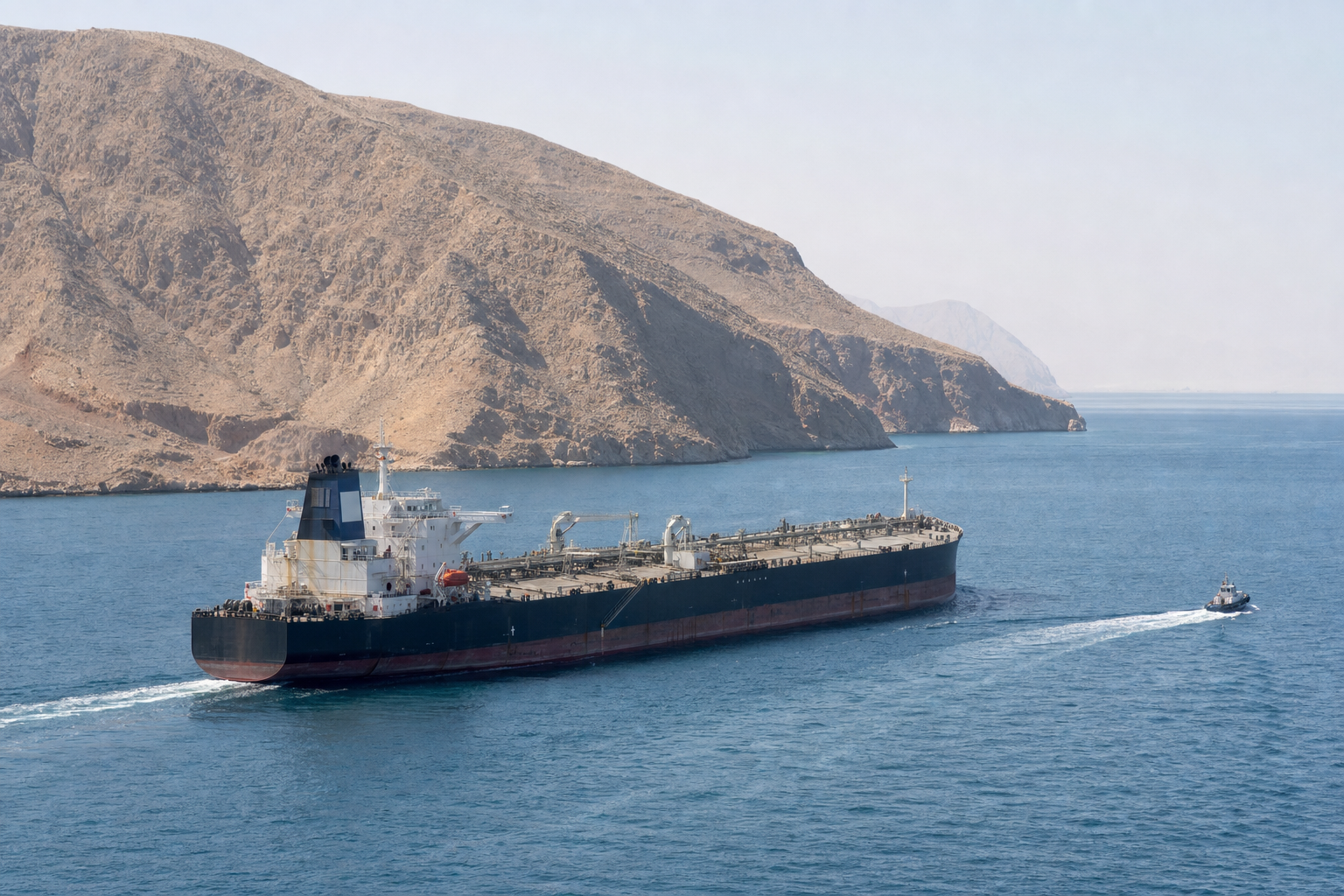
Vessel movements through the Strait of Hormuz slowed markedly at the start of the week, with only six commodity carriers transiting the waterway on Monday. That tally compares with a recent 10‑day average of 11 ships, extending a decline in observed traffic. Of the six moves recorded, four ships entered the Persian Gulf and two exited outbound.
The drop in transits comes after last week’s hopes for renewed U.S.–Iran negotiations faded, keeping geopolitical risk elevated around the Gulf’s principal shipping corridor. While single‑day counts can be lumpy given scheduling and tide windows, the softer run rate draws attention to a chokepoint that underpins a substantial share of Middle East crude and other commodity flows.
Logistics And Risk Considerations
The Strait of Hormuz is the narrow sea passage between Iran and Oman that connects the Persian Gulf to the Gulf of Oman and the Arabian Sea. Any change in the cadence of crossings can influence voyage planning, chartering windows, and port line‑ups across Gulf load and discharge terminals. Fewer daily transits, if sustained, would tend to lengthen effective lead times and could concentrate departures into later windows, with knock‑on effects for berth availability and laycan management.
Beyond physical scheduling, shipowners and cargo interests typically reassess risk parameters when tensions rise around the strait. War‑risk premia, routing choices, and the availability of suitable tonnage are closely watched variables. Even absent a formal disruption, heightened caution can manifest in slower average speeds, wider spacing between convoys, or short‑notice adjustments to arrival times as masters and operators prioritize safe passage through the narrow channel and traffic separation schemes.
Market Context
Energy markets frequently key off signals from Hormuz because the corridor is central to exporting crude and refined products from Gulf producers, alongside other commodities. A persistent downshift in transits would add to the set of factors traders monitor alongside inventories, refinery runs, and seasonal demand. For now, the observed six‑ship day sits below the recent trend, and the direction of subsequent days’ flows will be important in gauging whether this is a transient lull or part of a broader softening in movements.
Episodes that elevate energy and shipping risk can coincide with wider risk aversion; allocated physical precious metals, by contrast, are not dependent on maritime logistics.