August 11, 2026
Flows Through the Chokepoint Slow
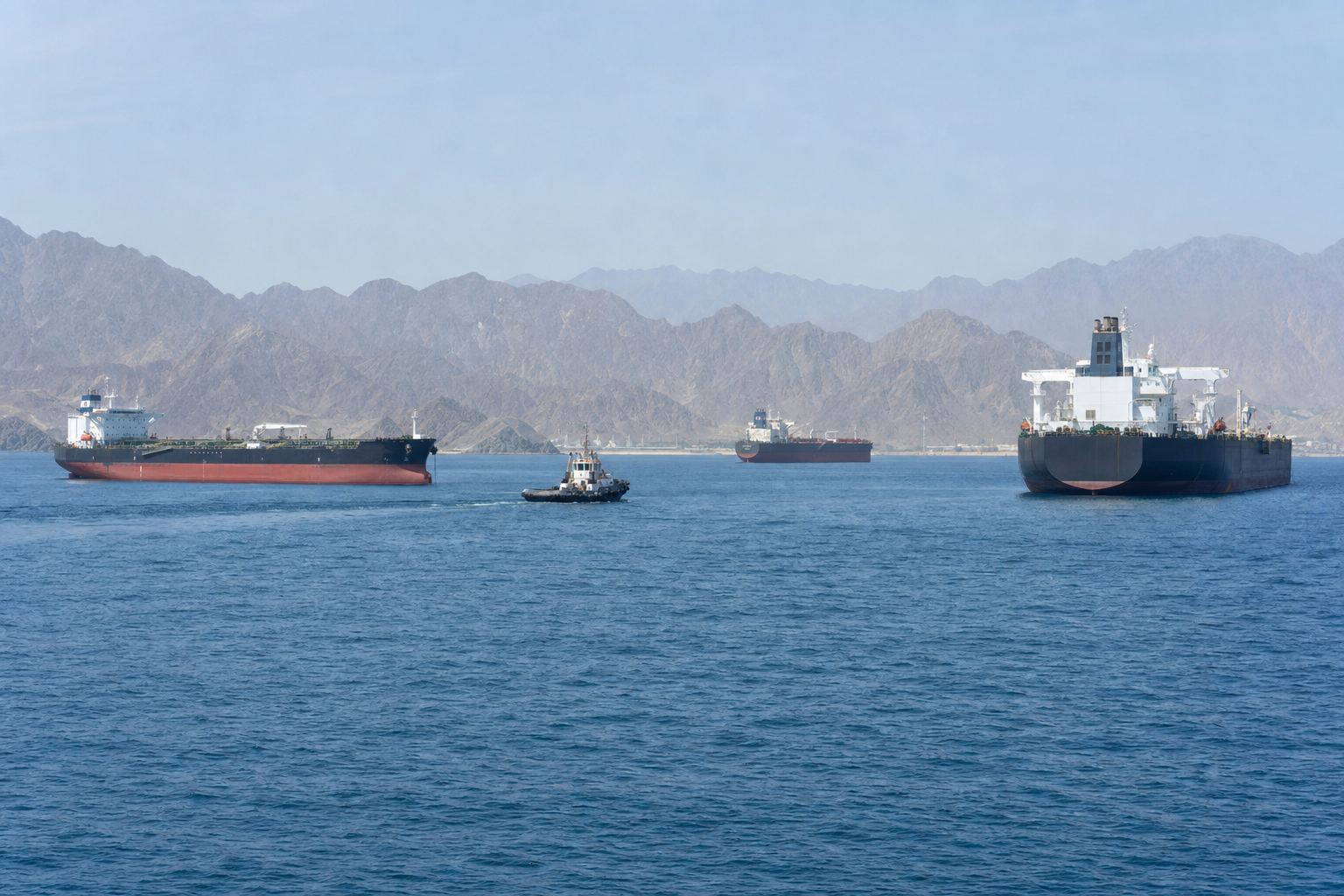
Commodity flows through the Strait of Hormuz slipped sharply at the start of the week as diplomatic momentum between the United States and Iran faded. Ship‑tracking data indicate that just six commodity vessels transited the strait on Monday, versus an average of 11 ships over the latest 10‑day period. Four ships moved inbound into the Persian Gulf and two exited outbound.
The inbound cohort included two empty product tankers, pointing to ballast repositioning into Gulf load ports while laden exits were comparatively light on the day. While a single day’s count is not determinative, the drop below recent norms underscores a cautious operating stance around the world’s key maritime energy corridor.
Market Read‑Through
The day’s configuration—more inbound than outbound tonnage and fewer overall passages—suggests tighter near‑term scheduling and slower turnover of cargoes ready to sail. Such patterns can influence regional freight balances, with potential knock‑on effects for laycans, demurrage exposure and prompt availability of refined products and crude lifting slots. Operators typically adjust speeds, sequencing and port calls when diplomatic headlines introduce uncertainty to voyage planning.
Beyond immediate shipping logistics, reduced transit activity can ripple into refinery runs and inventory management for buyers reliant on Gulf barrels, particularly in Asia and Europe. Any sustained deviation from typical traffic levels tends to surface first in voyage counts before filtering into observed exports and customs tallies. For now, the signal is confined to a single session’s weaker throughput relative to a rolling average, warranting close monitoring rather than firm conclusions about supply impacts.
What We’re Watching
- Direction of travel in U.S.–Iran contacts and any formal statements altering sanctions risk or maritime security postures in the Gulf.
- Whether the six‑transit reading proves an outlier or is followed by additional sub‑average sessions across the week.
- Composition of flows, especially the share of ballast product and crude tankers entering the Gulf versus laden departures, as an indicator of near‑term loading intentions.
The Strait of Hormuz remains the critical artery for crude and refined products from Gulf producers to global markets. Variability in daily passages is common, but when paired with stalled diplomacy, even modest slowdowns draw heightened attention from charterers, refiners and risk managers tracking voyage execution and exposure.
For wealth managers, episodes of chokepoint strain are a reminder that allocated physical bullion sits outside energy supply‑chain risk.