August 2, 2026
Geopolitics Tighten Oil Supply
Escalating turmoil in the Middle East, centered on the U.S. war with Iran, is roiling global energy flows. An ongoing dispute over access to the Strait of Hormuz—through which roughly a fifth of the world’s oil and natural gas supply is shipped—has pushed prices higher and injected fresh volatility into benchmarks. Shipping risk, insurance premia and potential rerouting are tightening effective supply, with prompt barrels commanding a premium and forward curves reflecting elevated uncertainty.
Against this backdrop, market participants are reassessing regional exposure and the resilience of supply chains that depend on the Gulf chokepoint. The immediate effect is a firmer price environment that rewards barrels outside the contested corridor and sharpens focus on projects capable of adding Atlantic Basin supply. While visibility on the duration and depth of disruption remains limited, the risk calculus has shifted meaningfully for upstream portfolios and import strategies alike.
Suriname’s Delayed Boom Nears Inflection
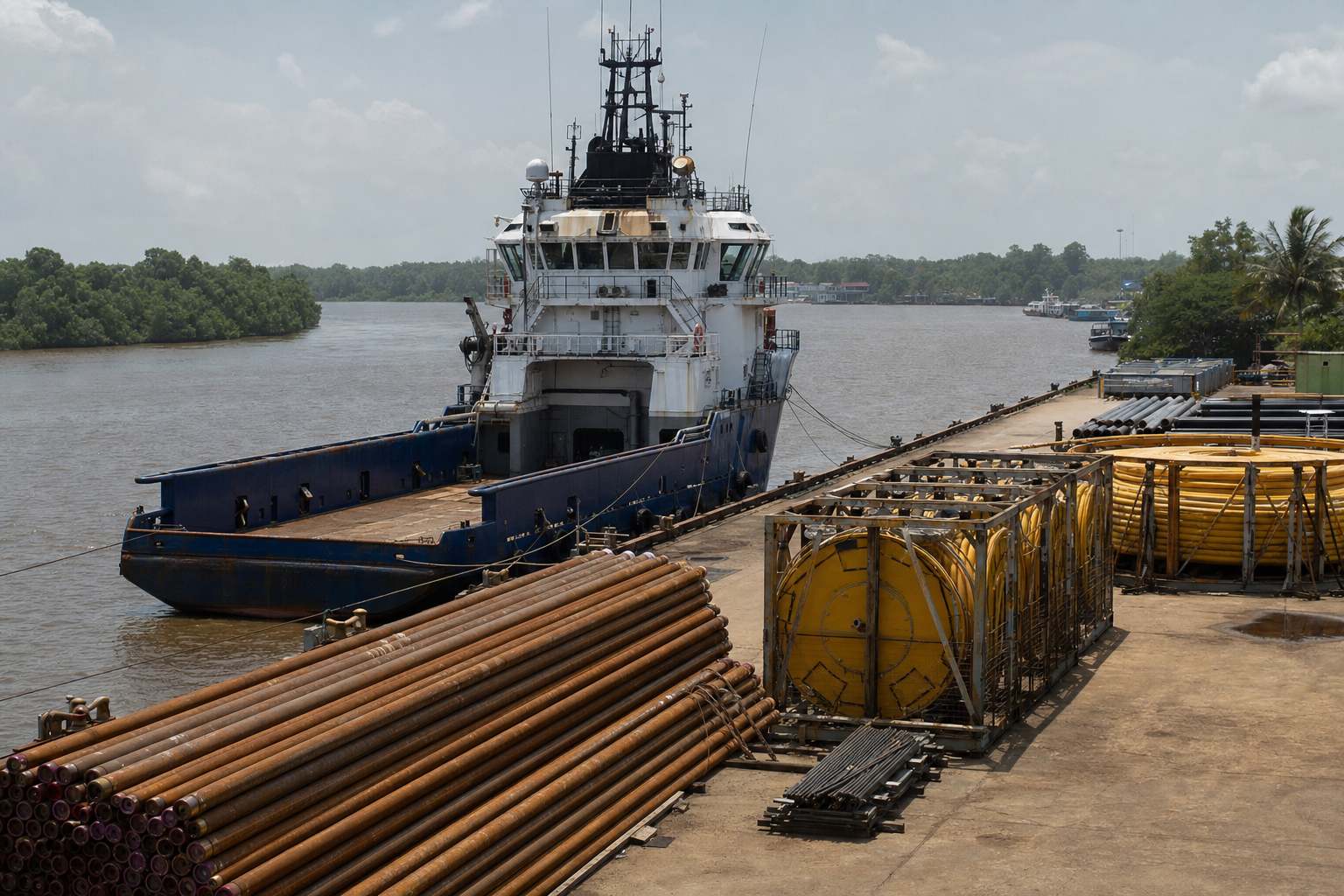
Higher prices and tighter Atlantic Basin balances are improving the near-term context for South America’s producers, with Suriname in particular stepping into view. The former Dutch colony has pursued an emerging petroleum sector that, until recently, was slowed by conflicting drilling outcomes and seismic interpretations. With benchmarks elevated, economics for delineation and development strengthen, and financing conversations tend to gain traction.
The country is widely seen as on the cusp of becoming one of South America’s next major oil-producing jurisdictions. Momentum that had been interrupted by technical uncertainty now benefits from a pricing backdrop that can underwrite larger capital commitments. In this setting, Suriname’s multiyear offshore effort—previously marked by oscillating results—appears closer to a decisive phase that could convert prospective resources into sanctioned projects and, in time, stable output. Headlines characterizing the national push as a $26 billion bet underscore the scale of ambition at stake.
What To Watch
Key variables include the persistence of shipping frictions around the Strait of Hormuz and the pace at which operators in Suriname translate subsurface confidence into commercial decisions. Execution timetables, infrastructure buildout and access to services will shape how quickly potential volumes move from appraisal to production. For the broader market, the intersection of geopolitical risk and new Atlantic Basin supply will drive differentials and trade flows through the remainder of the year.
Episodes of geopolitical stress that disrupt energy transit have historically coincided with heightened interest in unencumbered, allocated ownership of physical precious metals as a portfolio stabilizer.