August 5, 2026
Refiners Pivot as Chokepoints Disrupt Term Flows
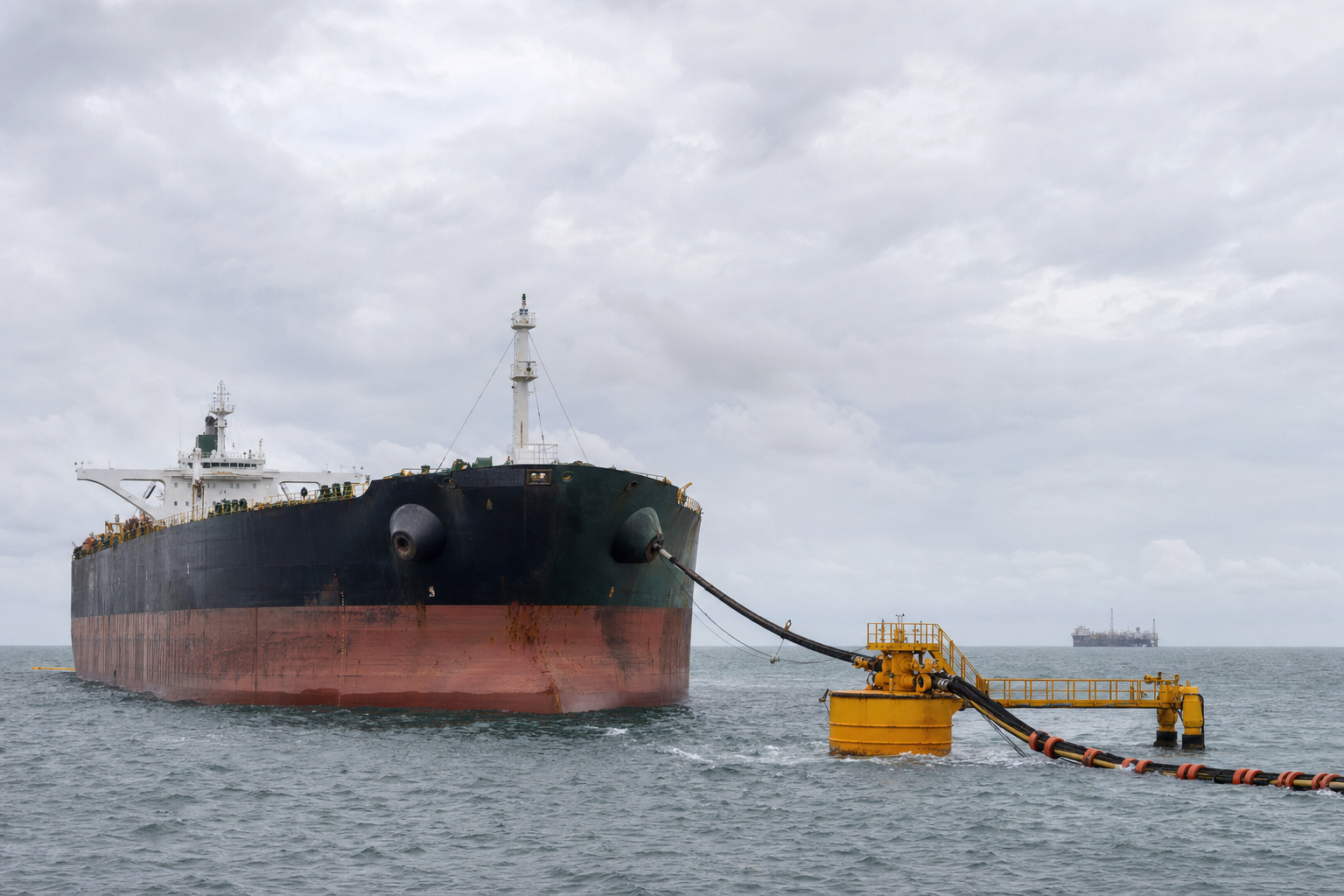
Several Indian refiners have shifted recent spot buying toward Oman and West Africa as shipping constraints at the Strait of Hormuz and Bab el-Mandeb continue to disrupt term Middle East supplies. The adjustments highlight a tactical move to diversify intake and secure prompt barrels outside the most congested routes.
One notable purchase saw state-controlled Mangalore Refinery and Petrochemicals Limited (MRPL) secure about 1 million barrels of Oman crude via tender. The cargo was bought at a premium of approximately $3 per barrel to Dated Brent from Mitsui & Co Energy Trading Singapore. While a single deal does not set a trend, the premium underscores the cost of securing reliable near-term volumes when preferred loadings and passages are constrained.
Why Oman and West Africa
Oman loadings are sourced on the Gulf of Oman, outside the Strait of Hormuz. In periods when traffic through the narrow waterway is curtailed or delayed, Omani barrels offer Indian refiners a way to maintain Middle East-linked feedstock without transiting the chokepoint to lift cargoes. For India’s west coast refiners, voyage durations from Oman are comparatively short versus Atlantic Basin options and can be scheduled with fewer routing uncertainties.
West African crude provides an alternative Atlantic supply stream when Middle East term liftings face disruption not only at Hormuz but also at Bab el-Mandeb, the southern gateway to the Red Sea. While voyages from West Africa to India are typically longer than from the Middle East, tenders give refiners flexibility to balance slate needs, manage delivery timing, and arbitrage changing freight and quality differentials. The recent tender interest suggests refiners are willing to tolerate longer haul times in exchange for greater certainty around loadings and passage.
Price Signals and Logistics Considerations
Premiums to Dated Brent in tenders reflect a synthesis of fundamentals: availability at the desired laycan, grade suitability, and the embedded logistics risk in moving crude through constrained corridors. With term flows tightened by maritime bottlenecks, the spot market is absorbing additional demand from buyers seeking assured barrels, lifting differentials for cargoes that circumvent the most affected routes. For Middle East-adjacent alternatives such as Oman, and for Atlantic liftings from West Africa, this translates to firmer tender outcomes and a more active optimization of crude diets by Indian refiners.
Refiners’ near-term focus remains operational continuity, with procurement strategies rotating among grades and load ports that minimize delay risk. The balance between freight costs, delivery reliability, and refinery configuration will continue to determine the mix of spot and term barrels in the intake.
Geopolitical transport risks periodically ripple across commodities; unlike pipeline- and shipping-dependent assets, allocated vaulted bullion is not exposed to transit bottlenecks.