
September 28, 2026
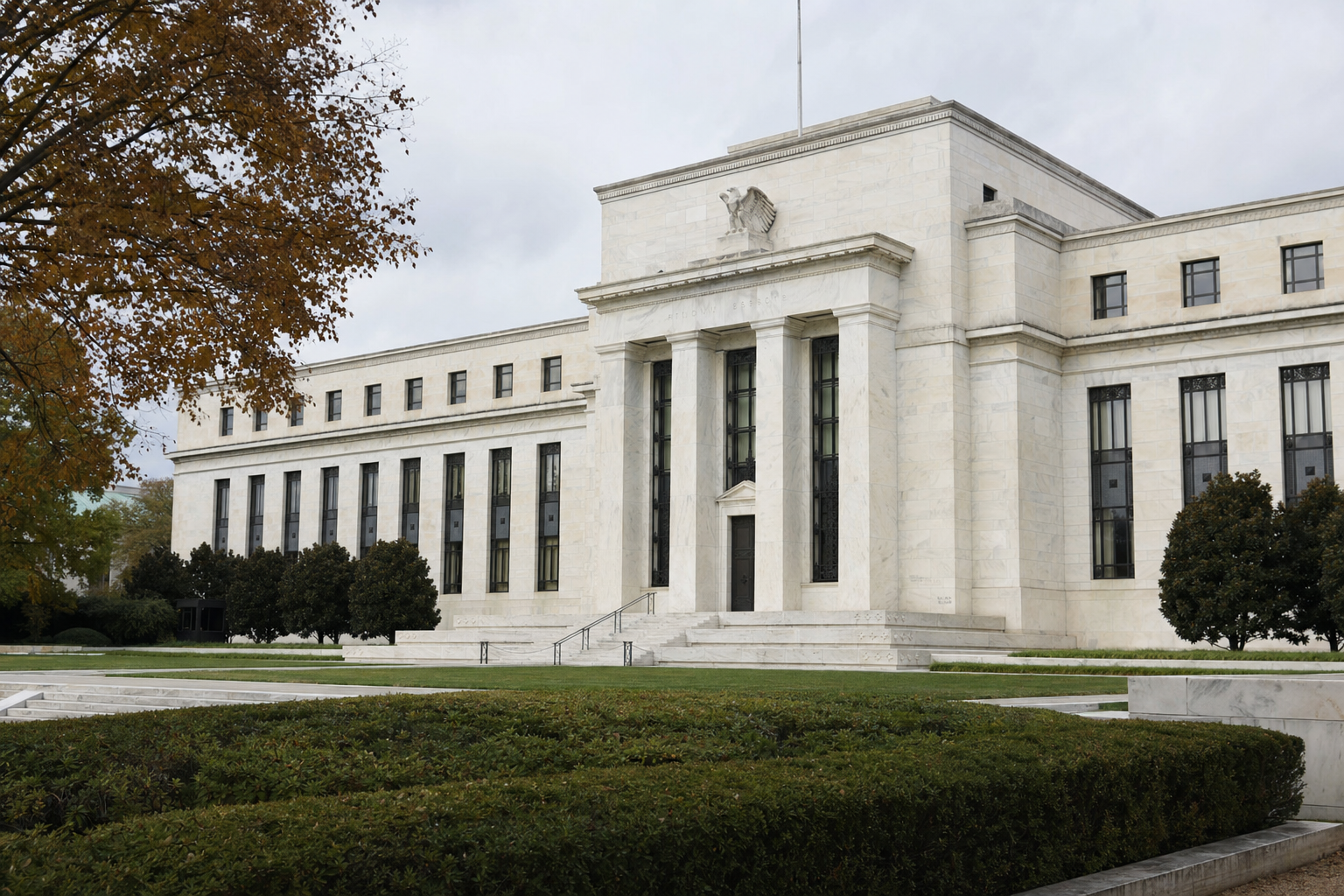
Signal From The Fed
Federal Reserve Governor Lisa Cook said she sees further inflationary pressures ahead, a reminder that price risks remain a live consideration for U.S. monetary policy. The emphasis on prospective pressures keeps the focus on the central bank’s price-stability mandate even as officials assess how restrictive current settings are across the economy.
The Federal Reserve’s framework is explicitly data-dependent. When policymakers highlight potential inflation persistence, it speaks to a preference for clear evidence that price growth is on a sustained path to target before contemplating material adjustments to the policy stance. In that context, the balance between inflation and employment objectives remains central, with the near-term skew guided by perceived risks around inflation dynamics.
Policy Backdrop And Watchpoints
Communication that stresses inflation risk tends to reinforce the role of realized and expected inflation in guiding decisions. Officials monitor a broad set of indicators: core and headline price indices, measures of services and shelter inflation, wage trends, and market- and survey-based expectations. They also track supply-side factors that can transmit to prices, including energy costs, shipping conditions, and inventory cycles. None of these singlehandedly determine outcomes; rather, the Fed weighs the aggregate signal and the durability of any move toward target.
For investors, the practical implication of such remarks is not a forecast but a framework. If inflation pressures are viewed as more likely or more persistent, the bar for policy easing typically rises, and the tolerance for premature accommodation falls. Conversely, convincing and sustained disinflation across key components would lower that bar. The nuance in today’s message sits on the former side of that spectrum, keeping attention on whether upcoming prints corroborate or challenge the risk assessment.
Market Lens
Rate expectations, the term premium embedded in longer maturities, and the U.S. dollar often recalibrate around shifts in perceived inflation risk. While day-to-day moves are driven by many factors, guidance that emphasizes potential price pressures can support tighter financial conditions at the margin until the data provide countervailing evidence. That can flow through to funding costs, discount rates and relative performance across asset classes sensitive to real yields and inflation expectations.
The immediate focus turns to the cadence of forthcoming releases across consumer prices, producer prices, personal consumption expenditures, and labor-cost measures, alongside indicators of demand resilience and supply normalization. A consistent pattern across these series will be more informative than any single print. Until then, policymakers are likely to keep optionality high and communication calibrated to evolving risk assessments.
In an environment where inflation risk remains a central policy variable, some allocators consider the role of assets with low counterparty exposure, including allocated physical gold and silver, within a diversified framework.