August 10, 2026
A Region Between Successive Shocks
Europe is again navigating energy stress, marking a third crisis in four years against a backdrop of near‑constant geopolitical friction. The core vulnerability is familiar: a heavy dependence on foreign fossil fuel imports that has been thrown into sharp relief by a rapid sequence of global oil disruptions. In the short intervals between shocks, policymakers and markets have struggled to catch breath and re‑establish balance, underscoring how quickly sentiment and physical flows can shift when supply routes are contested or rerouted.
The rupture that followed the 2022 invasion of Ukraine exemplified how concentrated sourcing can amplify risk. Reliance on Russian producers left the continent exposed when trade patterns changed, triggering a scramble for replacement barrels and alternative logistics. While acute security events can jolt physical markets, the recent cadence of disturbances points to a broader fragility: inventories, shipping, and refining systems can be strained before new equilibria form.
From Acute Disruption To Structural Constraint
The emerging risk now under discussion is not a singular geopolitical flashpoint but the possibility of peak oil—where global production growth plateaus and fails to keep pace with demand. Unlike a sudden cutoff, this is a slower‑moving constraint that tightens balances across cycles. In such a setting, volatility can become more persistent, with tighter prompt supplies, wider differentials between grades, and recurring episodes of price dislocation as buyers compete for marginal barrels.
For Europe, the distinction matters. A war‑driven shock can be addressed through emergency measures and rapid reconfiguration of trade routes. A structural supply plateau would be harder to offset quickly, as it reflects a chronic scarcity rather than a temporary interruption. The practical outcome is similar at the consumer end—higher sensitivity to outages and freight bottlenecks—but the root cause is embedded in the global production profile rather than any one corridor or supplier.
European Exposure And The Path Ahead
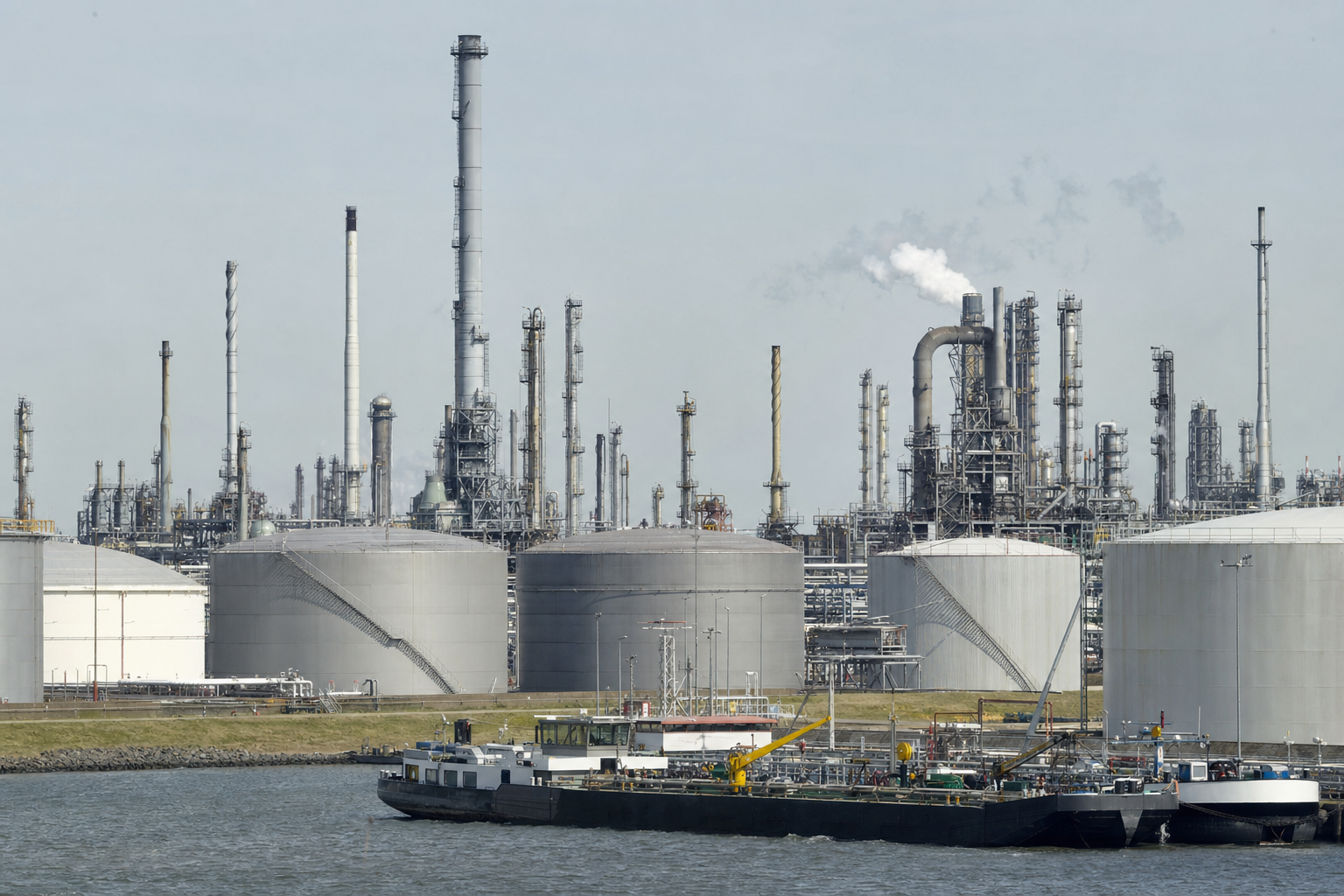
As a large net importer, Europe remains exposed to sustained tightness in crude and refined products. The reliance on distant supply chains means availability can hinge on shipping capacity, insurance conditions, and the ability of refineries to run alternative slates when preferred grades are scarce. Short gaps between recent shocks have also limited the time available to rebuild buffers and calibrate policy tools, complicating inventory strategy and procurement planning across seasons.
If global supply flattens, competition for flexible barrels—those that can be redirected quickly—intensifies. In practice, that can widen the spread between prompt and forward deliveries, elevate the premium on reliability, and increase the value of logistics optionality. Market participants will focus on telltales of tightening: drawdowns in visible inventories, refining utilization constraints, and repeated rerouting of cargoes as buyers test availability.
Episodes of sustained energy‑market tightness have historically aligned with broader commodity volatility, a context in which some portfolios include allocated physical precious metals for diversification.