August 9, 2026
Europe–North Africa Links Advance
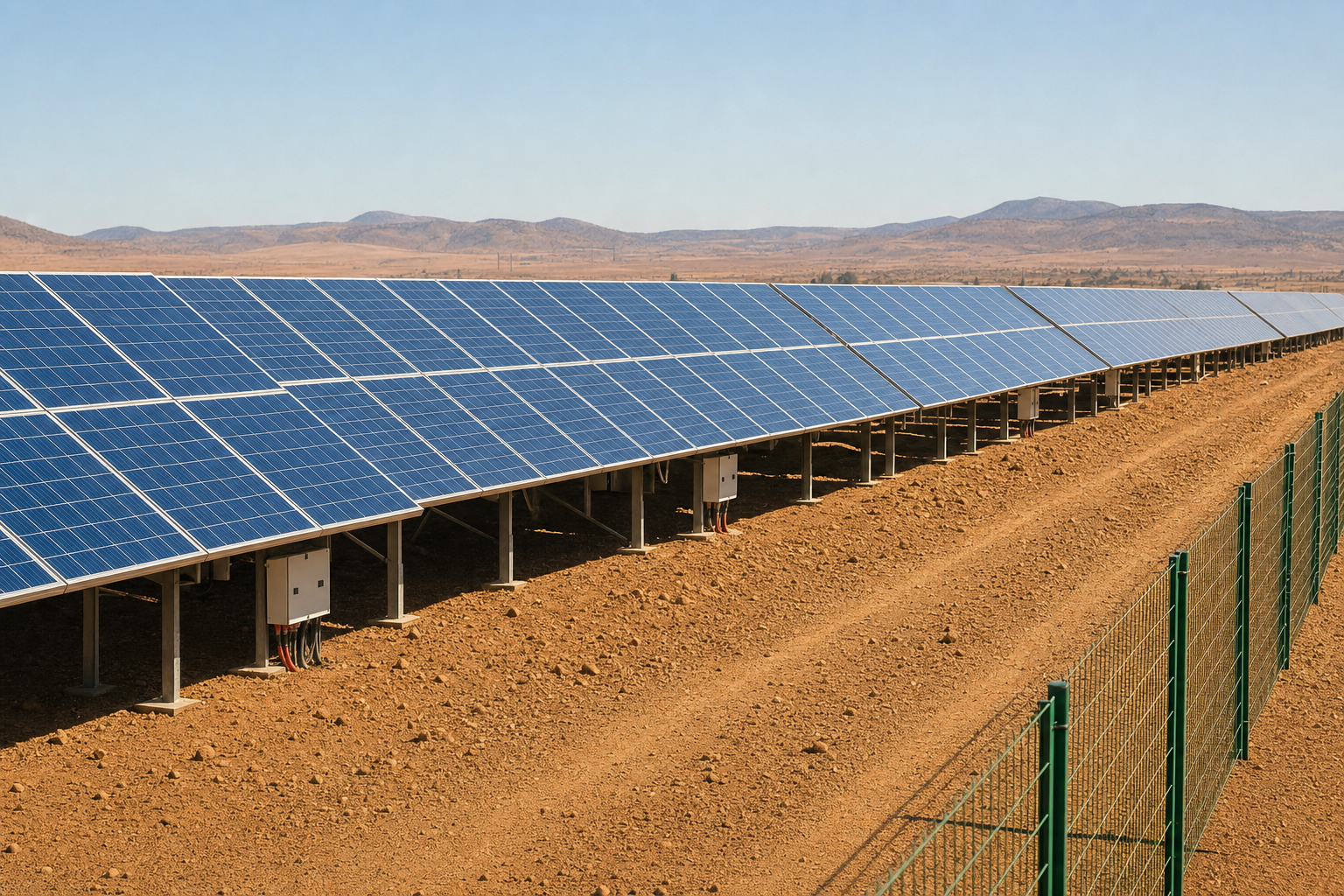
Europe is expanding clean energy partnerships with North Africa, directing capital and policy focus toward large‑scale renewable projects in Morocco and Egypt. The objective is to leverage strong solar irradiation and proven wind regimes to accelerate the green transition on both shores of the Mediterranean. Over the coming decade, the two regions are expected to shape a more substantial clean energy trade corridor designed to reduce reliance on fossil fuels and enhance supply diversification.
Engagement spans government programs and national initiatives, with support flowing into project development, grid enhancements and enabling infrastructure. The approach aims to match North Africa’s abundant resource potential and land availability with European demand for low‑carbon electricity and renewable fuels. The cooperation frame includes technology deployment, workforce development and frameworks to ensure that export opportunities complement domestic demand growth in host countries.
Building the Corridor
Practical pathways under discussion center on two channels: electrons and molecules. On the power side, the emphasis is on utility‑scale solar and wind capacity paired with transmission upgrades that could, over time, enable high‑voltage links across the Mediterranean and strengthen regional interconnections. On the molecules side, plans focus on producing green hydrogen and derivatives such as ammonia for maritime shipment, backed by certification schemes that verify renewable provenance and align carbon accounting across jurisdictions.
Execution will hinge on bankable offtake structures and standardization. Long‑dated contracts, clear guarantees of origin, and compatible technical standards can lower financing costs and de‑risk projects. Infrastructure needs reach beyond generation assets to include water supply for electrolysis in arid zones, desalination where required, storage and handling at ports, and grid flexibility tools to integrate variable output. On the European side, permitting timelines for transmission and import terminals, along with industrial demand readiness, will shape the pace of uptake.
For North African hosts, the potential benefits include new investment, job creation and industrial development around component manufacturing and services. Balancing export ambitions with reliable, affordable domestic supply remains a central policy consideration. Currency dynamics, political stability and predictable regulation are also material to capital formation.
Timelines and Risk Factors
While the strategic logic is clear, delivery will be gradual. Large renewable clusters, interconnectors and hydrogen value chains require multi‑year planning, phased commissioning and substantial public–private coordination. Cost trajectories for electrolyzers, renewable power, and logistics will influence competitiveness against incumbent fuels. Environmental safeguards around land use and water are integral to project design and social license.
For energy markets, a maturing Europe–North Africa corridor would diversify supply, broaden seasonal balancing options and add depth to emerging green fuel trade. For portfolios, allocated physical gold and silver sit outside the policy and construction risks inherent in long‑dated energy infrastructure.