
August 8, 2026
Policy Move
The European Union has finalized a plan to triple energy storage capacity by 2030, establishing a clear growth mandate for assets that can shift power across hours and seasons. The move places grid flexibility at the center of the bloc’s energy strategy, reflecting lessons from recent supply disruptions and tight market conditions. Storage sits alongside transmission reinforcement and demand‑side management as a core tool to stabilize a power system with a rising share of variable generation.
While the headline objective is straightforward, delivery will hinge on member‑state implementation. Storage projects depend on timely interconnection, clear access to ancillary service markets, and the ability to earn revenue from multiple services. Permitting, land use, and environmental approvals also shape build‑out speed, particularly for large footprints and long‑duration assets.
Market Implications
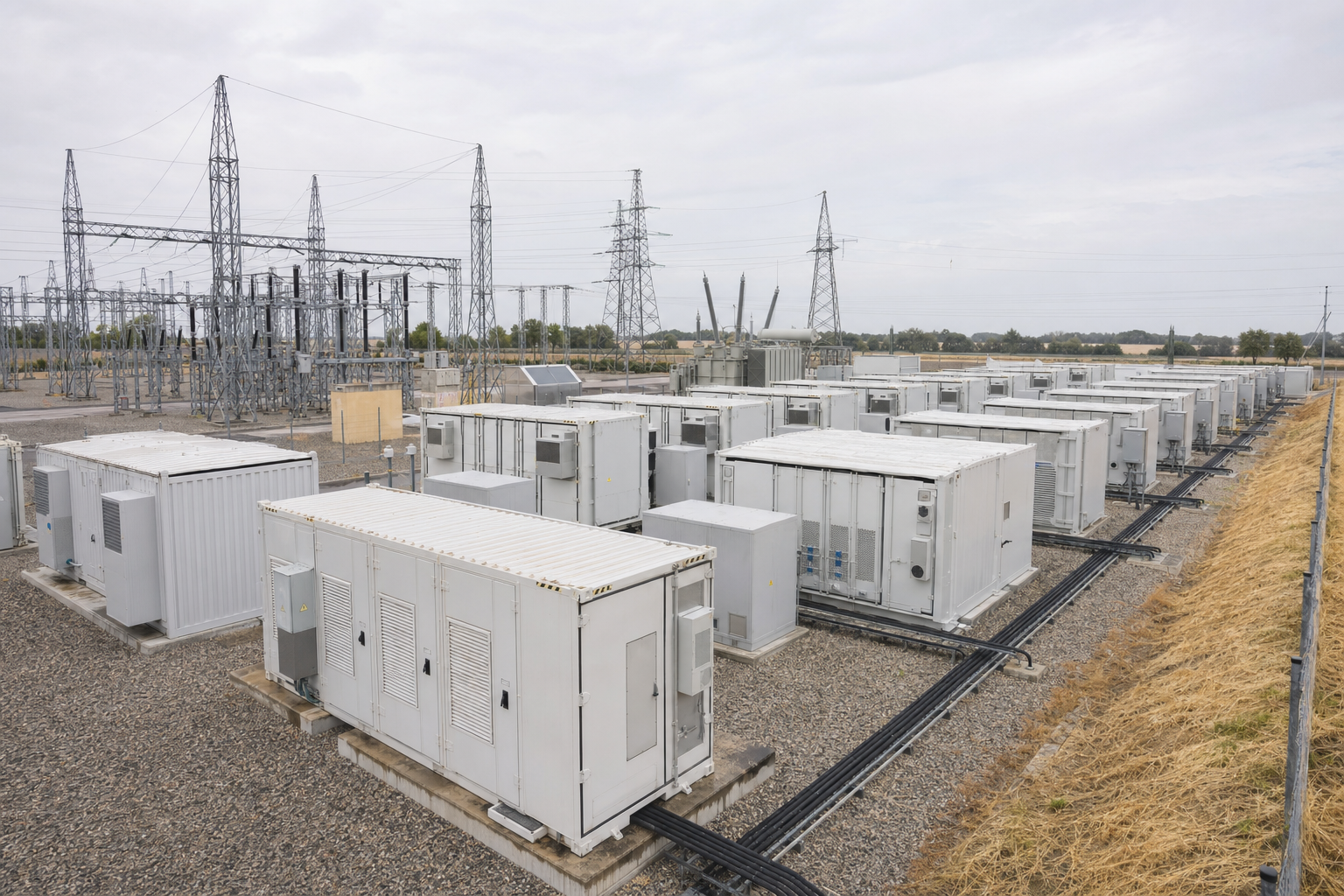
Tripling capacity implies a broad deployment across use cases: grid‑scale systems providing frequency control and peak shaving; distribution‑level assets easing congestion; and behind‑the‑meter installations reducing site demand peaks. Effective storage integration can reduce curtailment of renewable generation, smooth intraday price swings, and lower reliance on fast‑ramping thermal plants during stress periods. In turn, that can moderate volatility in wholesale power markets and lessen exposure to imported fuels during peak demand.
Technology selection will reflect local system needs and resource endowments. Short‑duration batteries are positioned for fast response and ancillary services, while longer‑duration solutions are being developed for multi‑hour and potentially multi‑day shifting. Refurbishment or expansion of existing assets where feasible, alongside new build, may contribute to the target. Developers and grid operators will focus on interoperability, digital control, and forecasting to ensure storage delivers contracted services without introducing new bottlenecks.
Execution risks are non‑trivial. Connection queues in several markets are lengthy, equipment lead times can extend project schedules, and market rules evolve unevenly across jurisdictions. Ensuring predictable revenue frameworks—so storage can stack energy arbitrage with reserves and other grid services—will be a deciding factor for financing and timely commissioning. Cross‑border coordination will matter as well, with storage able to complement interconnectors by absorbing surplus flows and supporting regional balancing.
What To Watch
Key indicators over the next 12–24 months include national target setting and procurement calendars, progress in streamlining permits and grid studies, and clarity on how storage participates in balancing and capacity frameworks. Commissioning trajectories and interconnection milestones will show whether the pipeline is converting at the pace implied by the 2030 objective.
Large policy shifts that reshape energy systems can affect macro conditions and risk perceptions; in that context, some investors evaluate diversified exposures that include allocated physical precious metals as a store of value.