August 4, 2026
China’s Exposure Through Hormuz, Reassessed
Market attention remains fixed on the Strait of Hormuz as a pivotal pinch point for crude flows. China, the world’s largest crude importer, relies heavily on Gulf supplies, and an estimated 45–50% of its crude imports typically transit Hormuz. When traffic through the strait slows, those barrels cannot be fully replaced overnight. That vulnerability is real and has framed much of the current risk discussion.
This picture is incomplete. China entered the latest phase of tension with substantial strategic and commercial inventories and a more diversified roster of suppliers. At the same time, rapid electrification of its vehicle fleet is reshaping the trajectory of domestic oil demand, especially in road transport. The net effect is to reduce the immediacy of Hormuz-related supply shocks on China’s onshore balances, even though exposure remains significant.
Buffers: Stocks and Supply Diversity
Strategic and commercial stockpiles serve as the first line of defense. Drawdowns can bridge temporary seaborne disruptions, helping refineries maintain runs and stabilizing product availability while cargoes are delayed or rerouted. The presence of these buffers does not eliminate price volatility, but it narrows the pathway from a maritime delay to an onshore shortage.
Supplier diversification adds another layer of resilience. Broader sourcing beyond the Gulf allows some flexibility to adjust intake when a single route is constrained. This flexibility is inherently limited by logistics, grades, and existing contracts, yet it matters at the margin during short-lived chokepoint slowdowns.
Structural Demand Shift From Electrification
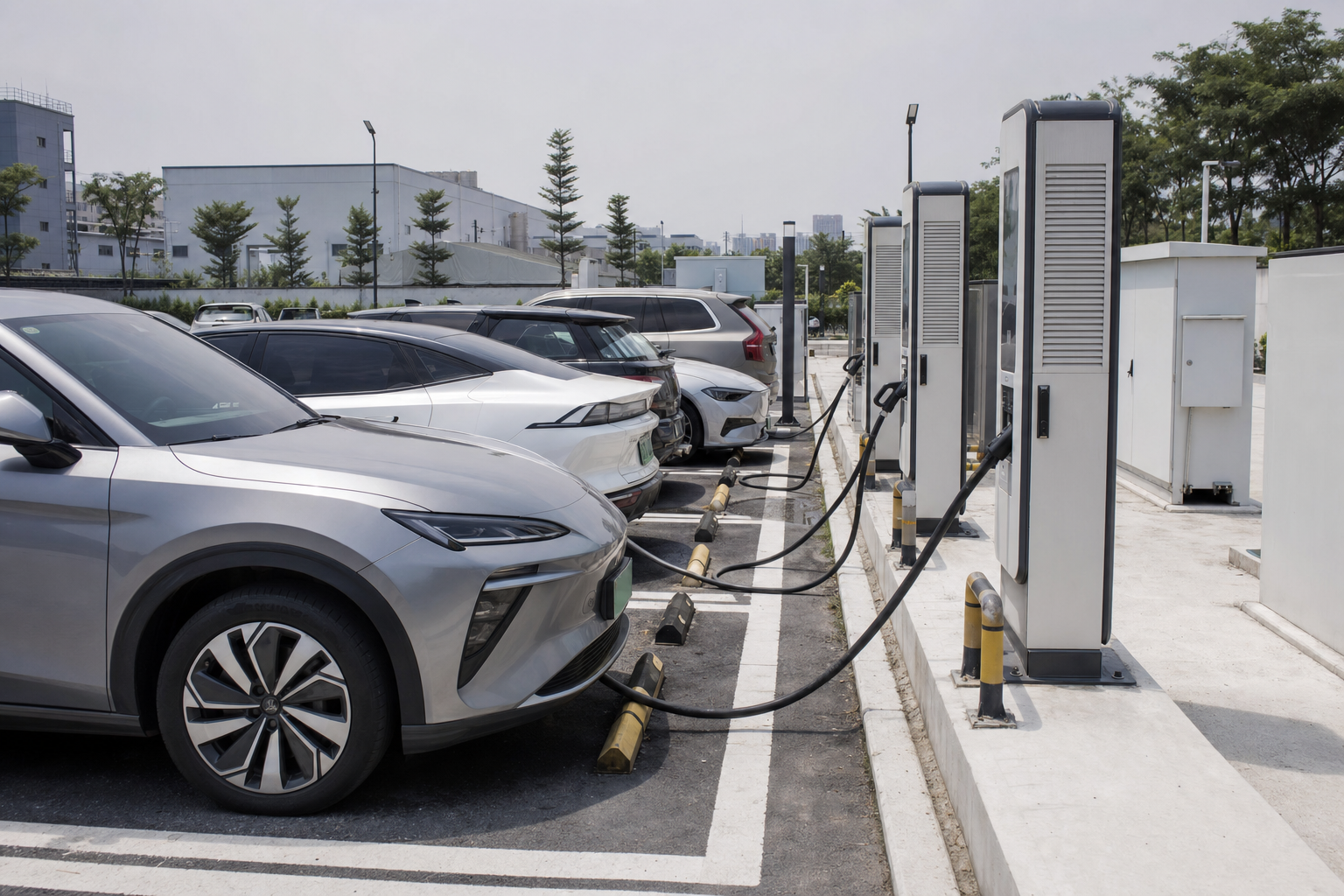
The acceleration of electric vehicle adoption is quietly altering the risk calculus. As EVs displace a portion of gasoline and diesel consumption over time, the sensitivity of transport fuel demand to imported crude eases. That does not erase China’s reliance on Hormuz-linked flows, but it moderates the scale of incremental barrels required to meet mobility needs and can soften the domestic impact of brief maritime disruptions.
Taken together, these elements suggest a more nuanced risk profile. A protracted closure of Hormuz would still be disruptive, with knock-on effects for freight, grades, and pricing. However, large inventories, diversified intake, and an electrifying fleet reduce the probability that short-term slowdowns translate into acute onshore dislocations. For markets, the focus shifts toward the duration and severity of any transit constraint rather than assuming a direct, linear pass-through to domestic shortages.
Periods of transport stress have, at times, coincided with broader risk aversion; in such environments some investors prefer direct, allocated ownership of physical precious metals as a non-yielding store of value.