August 3, 2026
Why a Chilean Rebound Matters
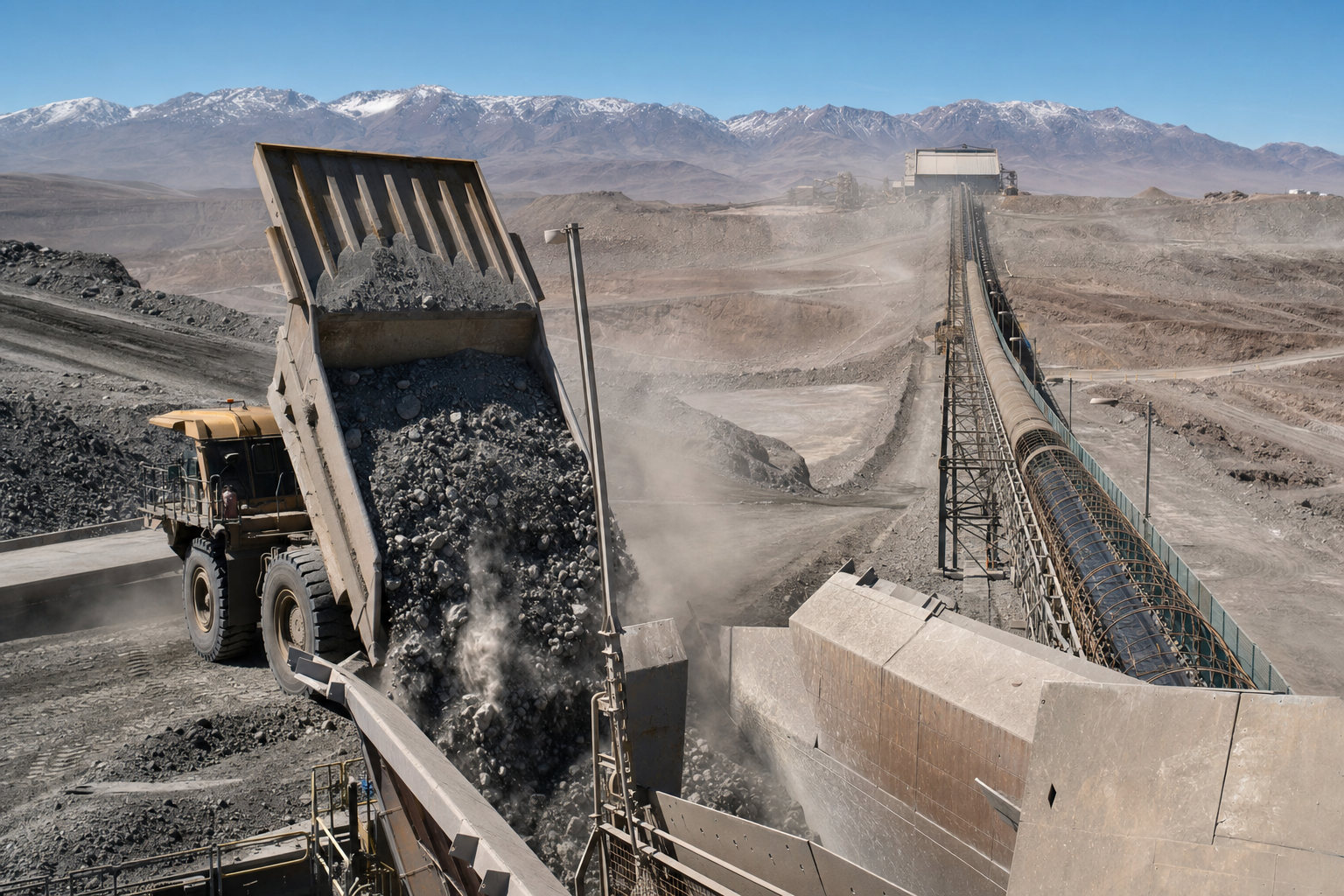
Discussion around copper has been dominated by tight balances, project delays, and episodic disruptions. Against that backdrop, a prospective rebound in Chilean output is a material counterweight that appears thinly reflected in market narratives. Chile is a central producer and exporter of copper concentrates and refined metal, so any sustained improvement in mine performance there can alter flows across the concentrate and cathode supply chains.
The country’s output trajectory influences smelter utilization in multiple regions, term contracts for concentrates, and availability of refined units into key consumer hubs. A revival in Chilean supply would not need to be dramatic to reframe expectations: even incremental tonnage from stabilized operations can shift the conversation from scarcity toward balance at the margin. That possibility is now resurfacing as a supply theme that the market has yet to fully appraise.
Market Implications if Supply Recovers
If mine throughput and metallurgical recoveries improve, concentrate availability would likely expand, with knock-on effects for treatment and refining terms and for smelter run rates outside Chile. On the refined side, steadier feed into local refineries could increase cathode exports, easing spot tightness in some importing markets and narrowing physical premiums where inventories are comparatively lean. Logistics would matter: smoother port clearances and vessel scheduling can translate mine‑site gains into more reliable arrivals at warehouses and fabricators.
Term structure on major exchanges, while driven by a complex set of inputs, often responds to shifts in near‑term availability. A credible Chilean upswing could therefore influence nearby spreads and time‑spreads used by traders to hedge physical positions. Fabricators might experience more predictable lead times, while scrap flows could adjust if refined supply becomes more accessible. None of these outcomes is predetermined, but the direction of travel from a Chilean rebound would be toward a looser physical balance than many have contemplated in recent months.
Signals to Monitor
To gauge whether this supply story is taking hold, the practical indicators are operational rather than rhetorical: sustained improvements in mine and mill throughput, stabilization after maintenance campaigns, and consistent production guidance updates. At the border, export volumes of concentrates and cathodes, port lineups, and shipping turnaround times offer corroborating evidence. In the midstream, movement in spot and contract treatment and refining charges can confirm changes in concentrate tightness. Downstream, shifts in regional physical premiums, exchange inventories, and calendar spreads help reveal whether additional Chilean units are arriving where they are most needed.
For holders of allocated physical precious metals, the evolving copper picture underscores how industrial supply cycles can diverge from the drivers of monetary bullion demand and storage dynamics.