August 1, 2026
Why It Matters
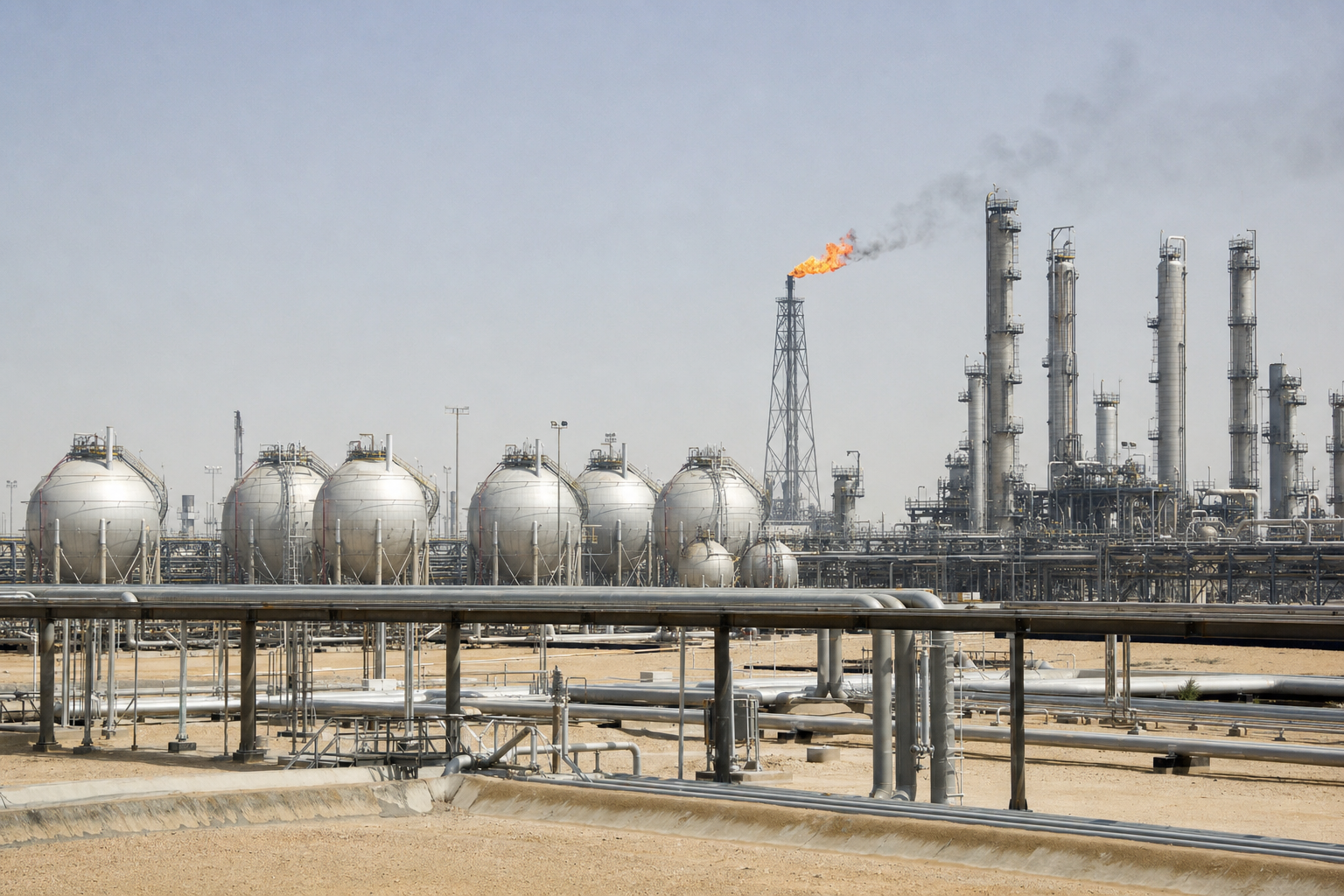
An attack on Saudi Aramco’s Abqaiq oil‑processing complex is emerging as one of the year’s most consequential energy developments. The significance is not best measured by an immediate, quantifiable loss of supply, but by the way it reopens a risk many market participants had assumed was largely mitigated: concentrated vulnerability at critical midstream nodes. Abqaiq’s role as a central processing hub means that even a temporary disruption can challenge assumptions about the resilience of global crude flows.
The episode underscores the difference between spare capacity on paper and the fragility of pivotal infrastructure in practice. Markets have grown accustomed to an era of perceived redundancy, diversified flows, and improved defenses around key assets. The latest strike shows those defenses can still be pierced, and that a single point of failure can carry outsized systemic relevance. The question now is less about headline barrels than about the risk premium that had been priced out of energy over the past few years.
Market Response So Far
Despite the gravity of the target, oil prices have been restrained in the immediate aftermath. Benchmarks have not reflected a substantial disruption premium, suggesting traders are treating the incident as containable for now. That stance may reflect confidence in contingency planning and inventories, or a wait‑for‑facts posture as details of any impairment are clarified. It also highlights how swiftly markets can discount events when immediate export flows are perceived to be maintained.
This calm surface, however, sits atop a reassessment of tail risks. Pricing that remains anchored today can still mask a shift in how participants evaluate security, insurance, and operational redundancy around critical facilities. The focus is likely to broaden from immediate throughput to questions about physical hardening, repair timelines when incidents occur, and the extent to which alternative processing routes can realistically substitute for a hub of Abqaiq’s scale.
What To Watch Next
Key indicators include: evidence of lasting physical damage or rapid normalization at the site; changes in shipping, insurance, or routing behavior that might imply elevated perceived risk; and any visible moves to augment protection around comparable processing centers in the region. Market structure and volatility will be watched for signs that a dormant security premium is being rebuilt, even if spot prices remain orderly.
For energy‑exposed sectors and macro policy, the broader issue is whether recurrent infrastructure shocks translate into more persistent inflation pressure. Episodes that expose critical‑asset risk can influence inflation expectations and, by extension, investor appetite for monetary hedges such as allocated physical gold and silver.