September 20, 2026
DOE Opens Industry Engagement
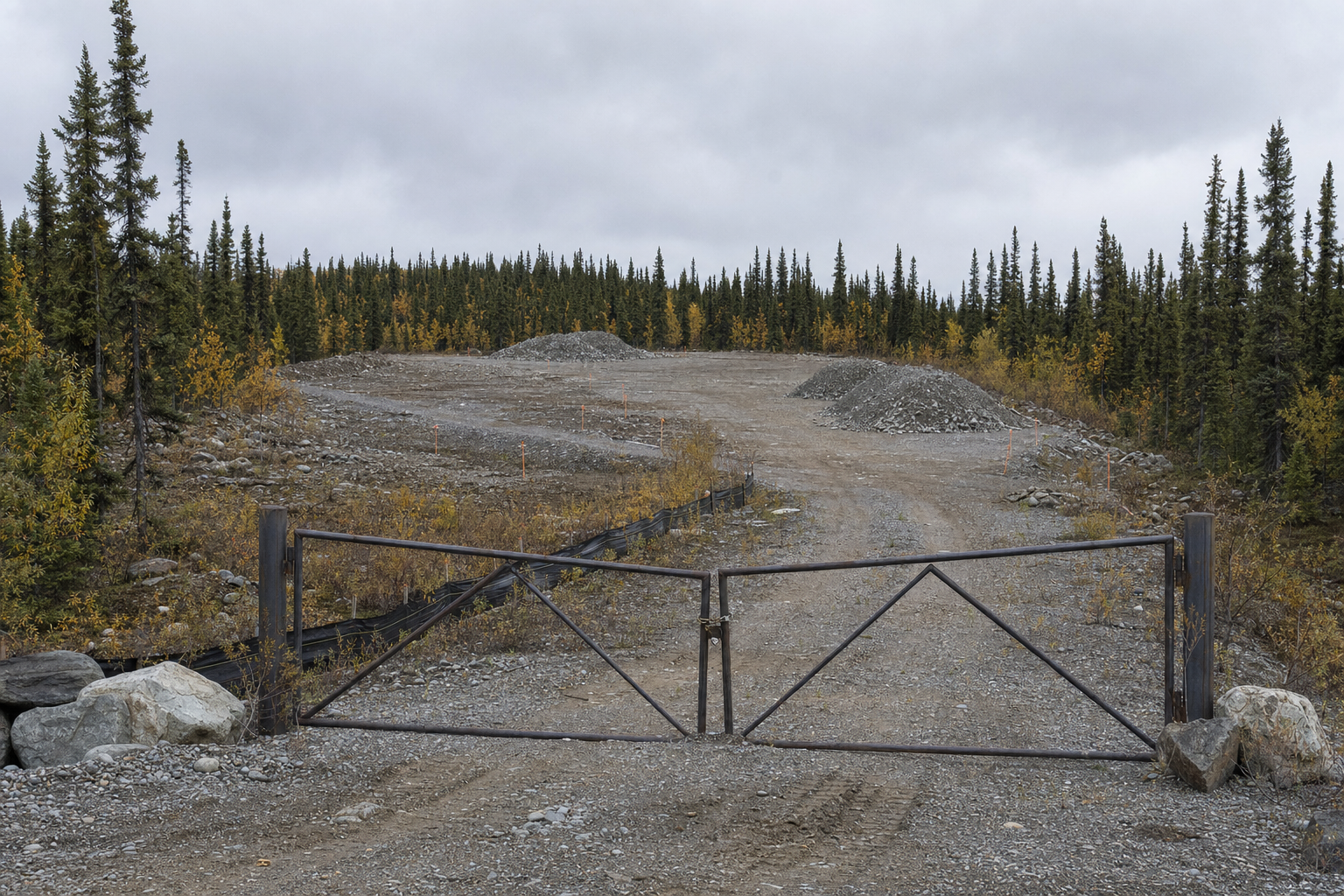
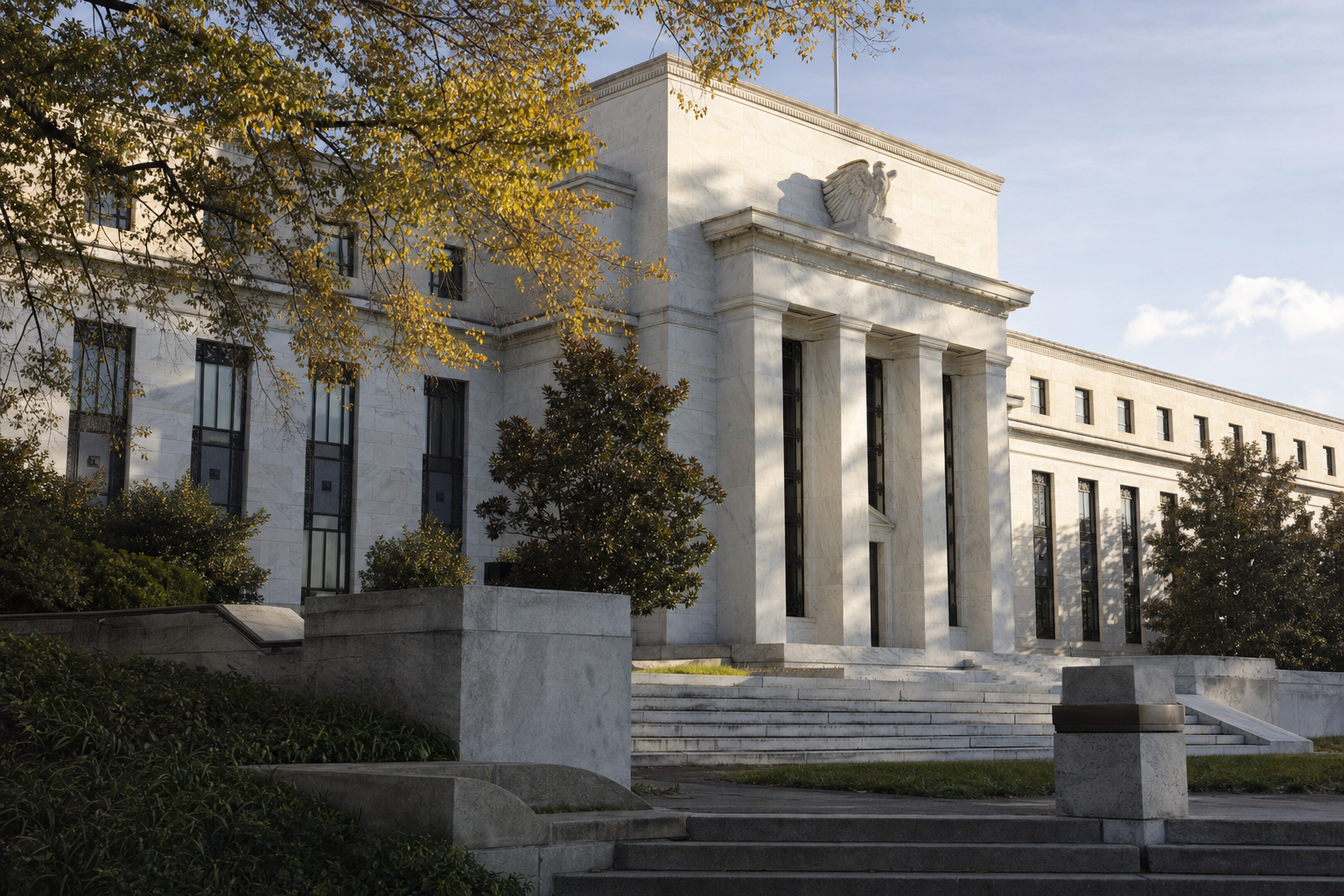
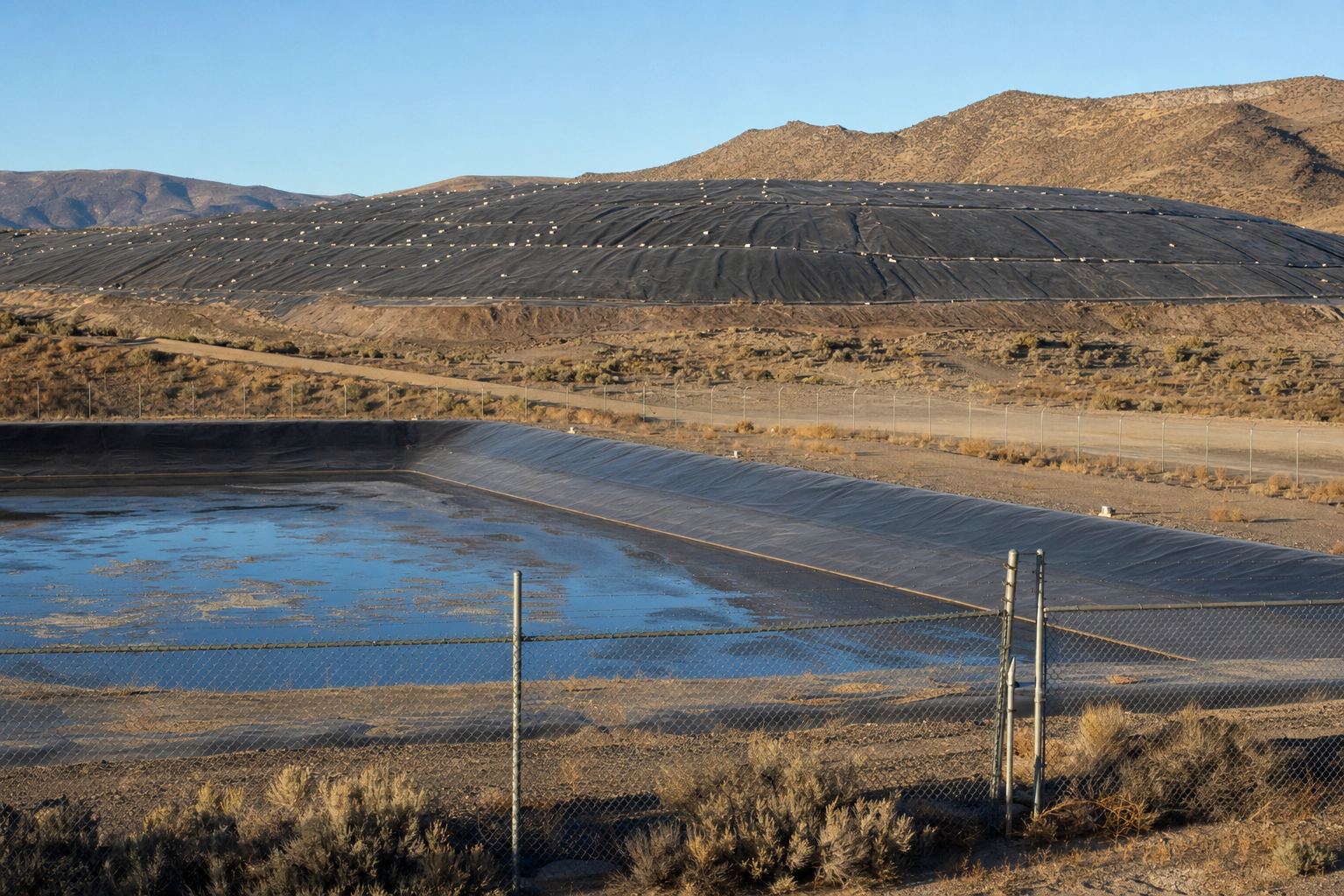
The US Department of Energy has invited industry participation in a cleanup initiative focused on critical minerals and materials at legacy sites. The department issued a call for expressions of interest covering a defined set of substances linked to historic activities and remediation needs.
Materials named in the request are aluminum, cesium, chloride, copper, fluorine, lead, lithium hydride, platinum, selenium, silver, tungsten and vanadium. The inclusion spans base and specialty metals, precious metals, and chemical inputs, indicating a wide technical and industrial remit for prospective respondents.
While the announcement centers on cleanup at legacy locations, it also frames the scope of engagement around the listed materials. No additional details on site count, timelines or program funding were provided in the information released to market.
Metals Within Scope
The list places both precious and industrial metals within the same initiative. Silver and platinum feature alongside copper and aluminum, with tungsten and vanadium also included among hard-facing and alloying inputs used across industrial applications. Selenium, cesium and fluorine, as well as chloride and lithium hydride, extend the scope into materials handling and chemical domains that typically call for specialized expertise.
For market participants, the breadth of materials suggests an engagement pathway that could draw interest from miners, processors, recyclers, environmental services groups and technology providers with capabilities tied to the named substances. Any eventual contracting or program design would determine the operational contours, but the initial step signals direct outreach to industry around legacy-site challenges linked to these materials.
What Comes Next
Expressions of interest commonly precede more formal solicitations or partnership structures, though the next steps here were not specified beyond the materials list and the legacy-site focus. The scale and geographic distribution of any resulting activity, the technical approaches adopted, and the participating segments of industry will shape how this initiative interfaces with existing supply chains and remediation frameworks.
Further announcements will clarify process, timing and scope. In the meantime, the identification of specific metals and materials provides a reference point for companies assessing alignment with cleanup work at historical sites.
For holders of allocated physical silver and platinum, policy developments touching these metals remain a relevant part of the wider landscape to monitor.