July 25, 2026
Hydrogen’s role in decarbonizing shipping and steelmaking has long been anticipated, yet progress toward meaningful deployment has been uneven. A new development from UCLA researchers—converting plastic waste into pure hydrogen fuel—adds a notable data point to a space that is drawing fresh attention after a period of stalled commercialization.
What’s New
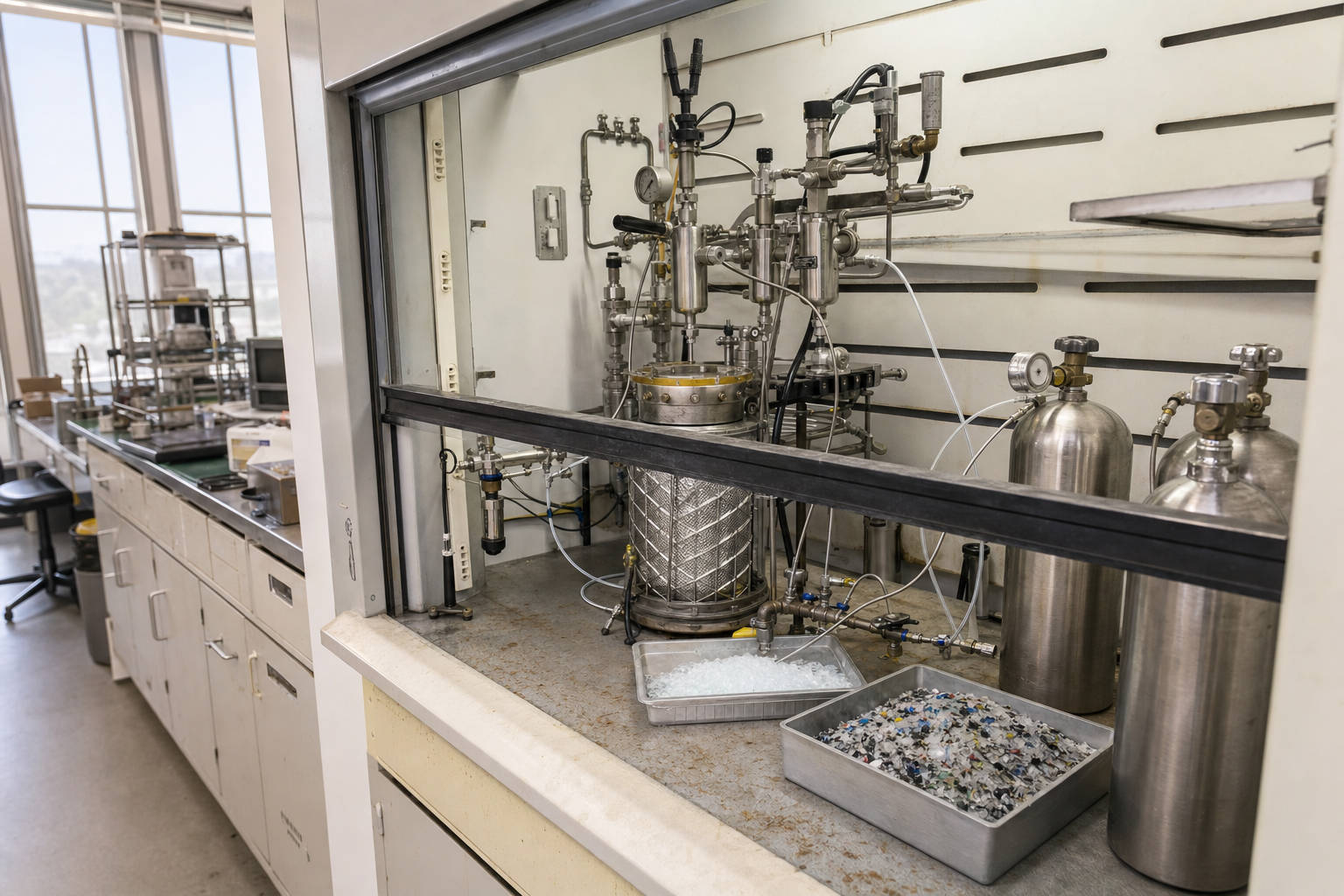
UCLA scientists have demonstrated a method to turn plastic waste into pure hydrogen. The approach, presented as a laboratory breakthrough, directly links two persistent challenges: managing plastic waste streams and producing low-carbon hydrogen. While technical specifics, scale, and timelines were not disclosed in today’s item, the core claim is straightforward—plastic feedstock can be converted into a hydrogen product stream of high purity in lab conditions.
The significance lies less in a single experiment and more in the direction of travel. Hydrogen technology has cycled through enthusiasm and disappointment as cost, infrastructure, and efficiency hurdles slowed adoption. A plastics-to-hydrogen pathway, if proven at scale, would align fuel production with a waste-abatement imperative that is already a policy and municipal priority in many jurisdictions.
Why It Matters for Energy Markets
Recent scientific advances have revived interest in hydrogen as energy systems adjust to volatile supply dynamics. Fuel options suitable for heavy industry and long-haul transport remain limited, and any credible pathway to cleaner hydrogen could broaden the toolset available for hard-to-abate uses. The prospect of extracting value from plastic waste introduces an additional potential revenue and environmental vector, though it will be judged on lifecycle metrics, net energy balance, and unit economics.
For markets, the near-term questions are practical: Can the process accept mixed or contaminated waste streams at meaningful throughput; what are the energy inputs and byproducts; how do capital and operating costs compare with incumbent hydrogen routes; and can logistics link waste aggregation with processing hubs efficiently? Until such points are clarified, the development sits as an early-stage signal rather than a commercial inflection.
What to Watch Next
Evidence that would move this from laboratory promise to market relevance includes independent validation of yields and purity; pilot-scale demonstrations handling real-world waste; clear disclosures on energy intensity and emissions; and indications of offtake interest from industrial users. Policy alignment around waste management and hydrogen deployment would also influence viability.
For investors assessing long-horizon transitions, allocated physical gold and silver remain outside technology and policy execution risk, serving as tangible stores of value alongside evolving energy pathways.