
October 31, 2026
Policy Watch
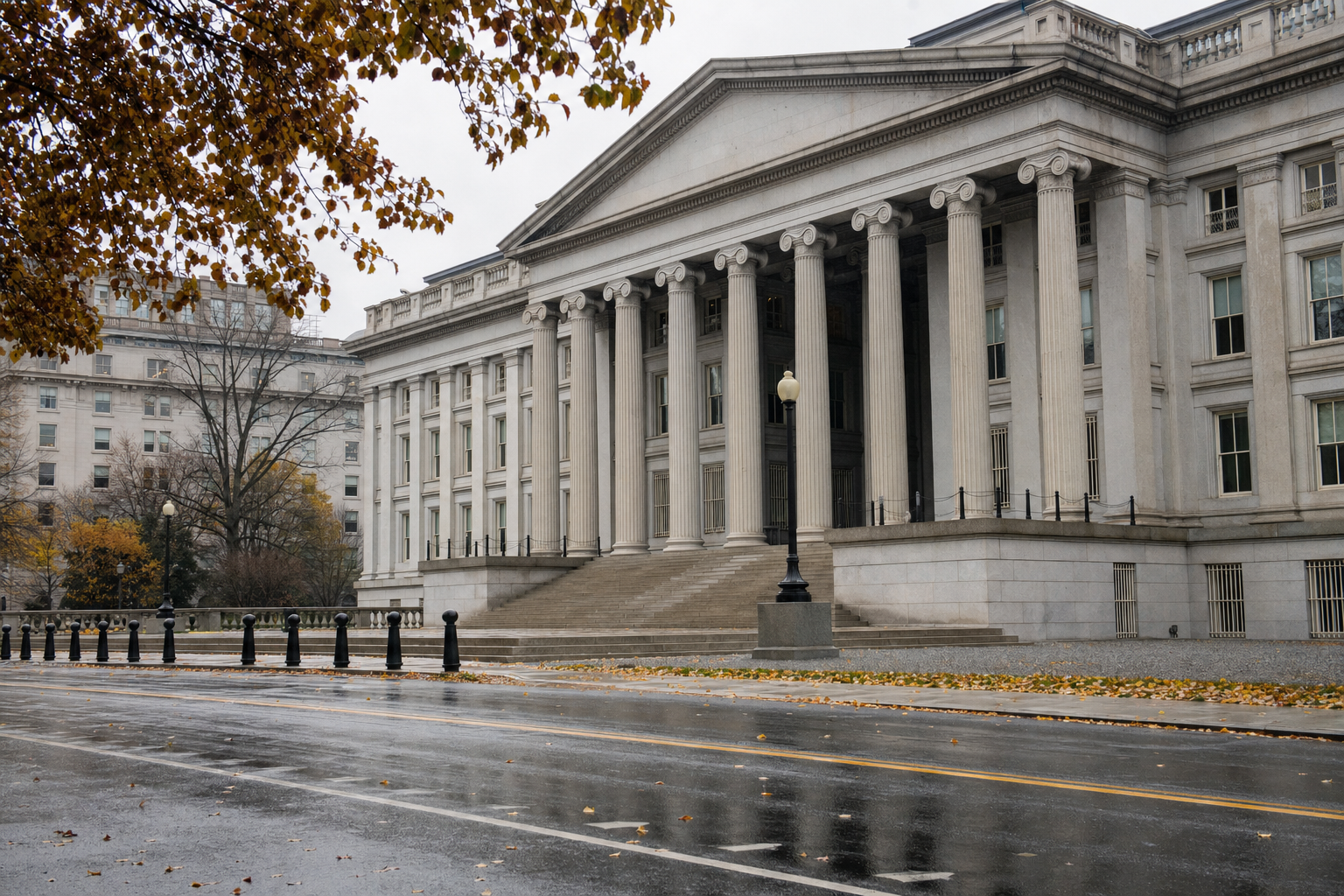
The U.S. administration is considering lifting sanctions on the Russian Direct Investment Fund (RDIF), the sovereign wealth vehicle targeted in the initial wave of measures imposed after Russia’s full‑scale assault on Ukraine. In the days following that escalation, the U.S. and allied governments launched broad financial sanctions aimed at constraining the Kremlin’s access to capital. The Russian Central Bank was a central focus, as was RDIF, a multibillion‑dollar fund the U.S. Treasury at the time labeled “a slush fund for President Vladimir Putin that is emblematic of Russia’s broader kleptocracy.”
A move to ease restrictions on RDIF would represent a material adjustment to the architecture built out in early 2022. Any change would likely prompt an immediate review of counterparty exposure, transaction screens, and risk parameters across institutions that intersect with Russian sovereign entities, directly or indirectly. Market participants will watch for formal steps, such as updated designations or licenses, to understand scope, timing, and the operational mechanics of any relief.
What Could Be Affected
RDIF historically acted as a conduit for co‑investment with international partners across sectors. Sanctions curtailed its ability to raise and deploy capital in U.S. dollars and other major currencies, and limited foreign financial institutions’ engagement with the fund. Adjusting those constraints could alter how cross‑border deal flows are structured and how compliance teams evaluate Russian sovereign‑linked exposure across banking, advisory, and custody services.
Energy and commodities trade finance sits adjacent to these questions. While RDIF is not itself a producer or trader, shifts in its sanction status can influence counterparties’ risk tolerance and legal interpretations around associated entities, financing channels, and settlement practices. The degree of any practical change will depend on the precise language of policy actions and any remaining prohibitions that continue to govern Russian state entities.
Market Focus
In the near term, attention centers on official guidance clarifying whether prospective relief would be partial or comprehensive, what due‑diligence attestations might be required, and how secondary exposure would be treated. Legal, banking, and corporate treasury teams are likely to revisit screening rules, onboarding checklists, and existing contractual clauses that reference sanctions triggers and force‑majeure provisions.
Geopolitical sanctions regimes have been a recurring driver of risk assessments across commodity supply chains; for many investors, such shifts form part of the broader context in which allocated physical ownership of bullion is considered.