
September 12, 2026
Diesel Sets a New Record
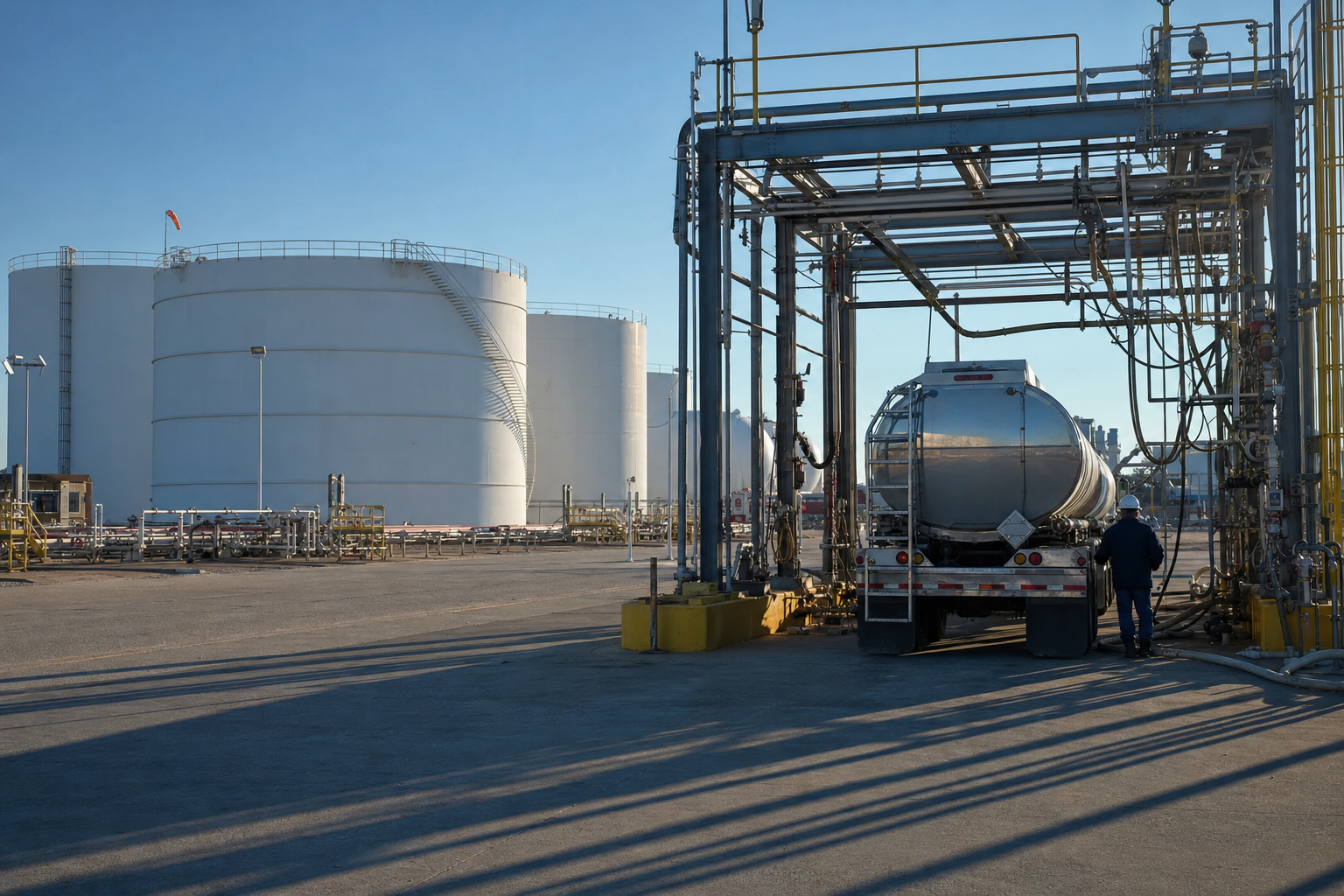
The average price of diesel in the United States has moved above $6 per gallon for the first time on record. A nationwide gauge put the diesel average at $6.0556 per gallon, marking a fresh high and a 14 percent increase over the past month. The move reinforces the steady climb in refined fuel costs seen through late summer and into early autumn, with transportation and logistics-sensitive fuels now at historically elevated levels.
The new benchmark for diesel underscores the breadth of refined-product price strength across the country. While regional dynamics can diverge, the national average crossing the $6 threshold is a clear inflection point for operators exposed to over-the-road haulage, agriculture and construction, sectors where diesel is a primary input. The pace of the month-on-month rise adds to the significance of the print in gauging the momentum behind refined fuel inflation.
Currie Flags ‘Extremely High’ Odds for $5 Gasoline
Jeff Currie, founder and CEO of Real Macro and formerly the head of a leading bank’s commodities research desk, said the odds that average U.S. gasoline reaches $5 per gallon before the November midterm elections are “extremely high.” His remarks on Friday frame the near-term risk that headline fuel costs extend higher from current levels, with retail gasoline potentially following diesel’s record-setting trajectory if pricing strength persists.
Currie’s view places refined fuels at the center of the macro discussion heading into the final stretch of the year. A $5 national average for gasoline would represent a psychologically important round number for U.S. consumers, adding another visible marker to the run-up in energy costs. While retail prices can vary significantly by state and by local tax regimes, the focus for markets is the national average and the speed with which it moves.
Market Focus
The combination of a record diesel print and a high-probability call on $5 gasoline concentrates attention on refined product balances as the U.S. approaches the November vote. For businesses that depend on diesel, the new high is an immediate cost signal. For households, the risk of higher gasoline adds another layer of uncertainty to discretionary budgets.
Energy-driven price pressure often feeds into broader inflation gauges with a lag. As such, refined fuel benchmarks will remain a focal point for investors and policymakers monitoring the trajectory of consumer costs through the autumn.
Episodes of fuel-price volatility can also renew interest in tangible stores of value, including fully allocated physical precious metals held outside the financial system.