August 14, 2026
Federal Support Advances an Industrial Nuclear Project in Texas
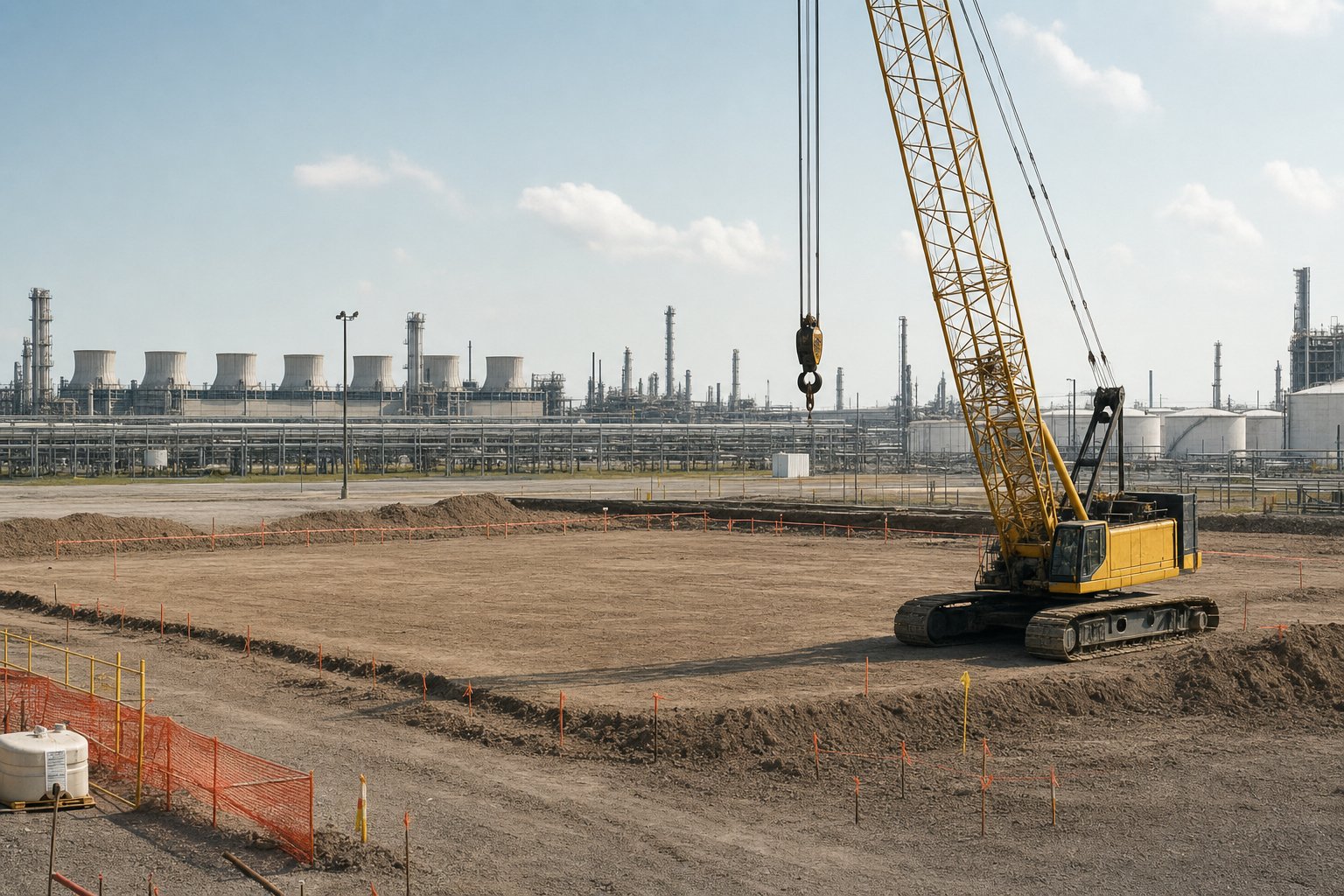
The U.S. Department of Energy has notified X-energy of an additional $1 billion in support for the company’s planned advanced nuclear project with Dow in Texas, lifting total federal funding available to as much as $2.15 billion since 2021. The commitment comes through the Advanced Reactor Demonstration Program, which is designed to accelerate next‑generation reactor technologies toward commercial deployment.
Thursday’s update marks a step‑up in government backing for advanced nuclear aimed at real‑world applications. While demonstration projects have dominated the early phase of the sector, the X‑energy–Dow collaboration is structured around an industrial host, positioning the technology for direct use in a large manufacturing setting.
Project Scope and Next Steps
X‑energy said the Department of Energy has communicated the incremental funding under the existing program framework. The project remains in the development phase, with regulatory, siting, and commercial milestones ahead. Progress will depend on licensing outcomes, detailed engineering, and procurement planning, alongside integration with the host facility in Texas.
The additional federal support is intended to narrow the gap between pilot‑scale activity and commercial operation, a critical hurdle for new nuclear designs. By concentrating on an industrial site, the project seeks to demonstrate reliable, low‑carbon power for a large‑scale user, a use case that differs from utility‑scale deployments and could broaden the addressable market for advanced reactors over time.
Market Context
The move underscores a policy emphasis on firm, low‑emissions power to complement variable renewables and support energy‑intensive industry. For developers, federal participation can reduce financing risk and help underpin long‑lead supply chains that require durable offtake and schedule certainty. Key variables remain: licensing timelines, vendor readiness, and executable cost frameworks will determine how quickly capital can translate into on‑the‑ground progress.
If executed as planned, the Texas project would be an early U.S. test of advanced nuclear’s commercial viability in an industrial setting, with lessons likely to inform future siting, contracting, and regulatory pathways. Investors across energy and infrastructure will be watching for clarity on schedule, budget discipline, and performance metrics as the project advances.
In periods of large, policy‑driven infrastructure investment, some investors balance exposures with assets that carry no counterparty risk, such as allocated physical precious metals held in secure vaults.