November 16, 2026

A New Challenger Steps Toward Gold Access
Tether has signalled an ambition to compete with gold exchange-traded funds, positioning tokenized structures as an alternative channel into the bullion market. The move frames a fresh contest over how investors access and transfer exposure to gold, with the head of the world’s largest digital asset firm setting a clear tone that tokenization is moving into traditional commodity territory. Public details are limited, but the intent is explicit: bring a crypto-native format to a market long dominated by funds and established custody networks.
The development underscores a broader shift in market plumbing. Tokenized representations of real-world assets have gained traction across several categories, and gold is a natural test case given its deep liquidity, standardized wholesale bar formats, and well-defined custody chains. A credible tokenized gold instrument would need to address core functions long handled by ETFs and London OTC infrastructure: secure custody, robust creation and redemption, price alignment with spot and futures benchmarks, and predictable settlement.
What Tokenization Could Change
Tokenized assets commonly emphasize programmability, near‑instant settlement on-chain, and 24/7 transferability. Applied to gold, those features could compress post‑trade timelines, broaden distribution across digital venues, and enable fractional denominations beyond conventional bar or share sizes. They may also facilitate direct wallet-to-wallet movement of title, subject to the rules embedded in the token’s smart contract and the issuer’s compliance framework.
For market participants, the practical comparisons with ETFs and traditional accounts would focus on a few dimensions:
- Custody: clarity on where the metal resides, bar standards, and how title is evidenced.
- Creation/redemption: who can mint or redeem, minimum sizes, and timelines.
- Price mechanics: how the token tracks spot, handling of fees, and arbitrage pathways.
- Market access: onboarding, KYC/AML, and interoperability with existing trading systems.
- Resilience: treatment of forks or outages, and recourse in the event of operational issues.
Frictions and Open Questions
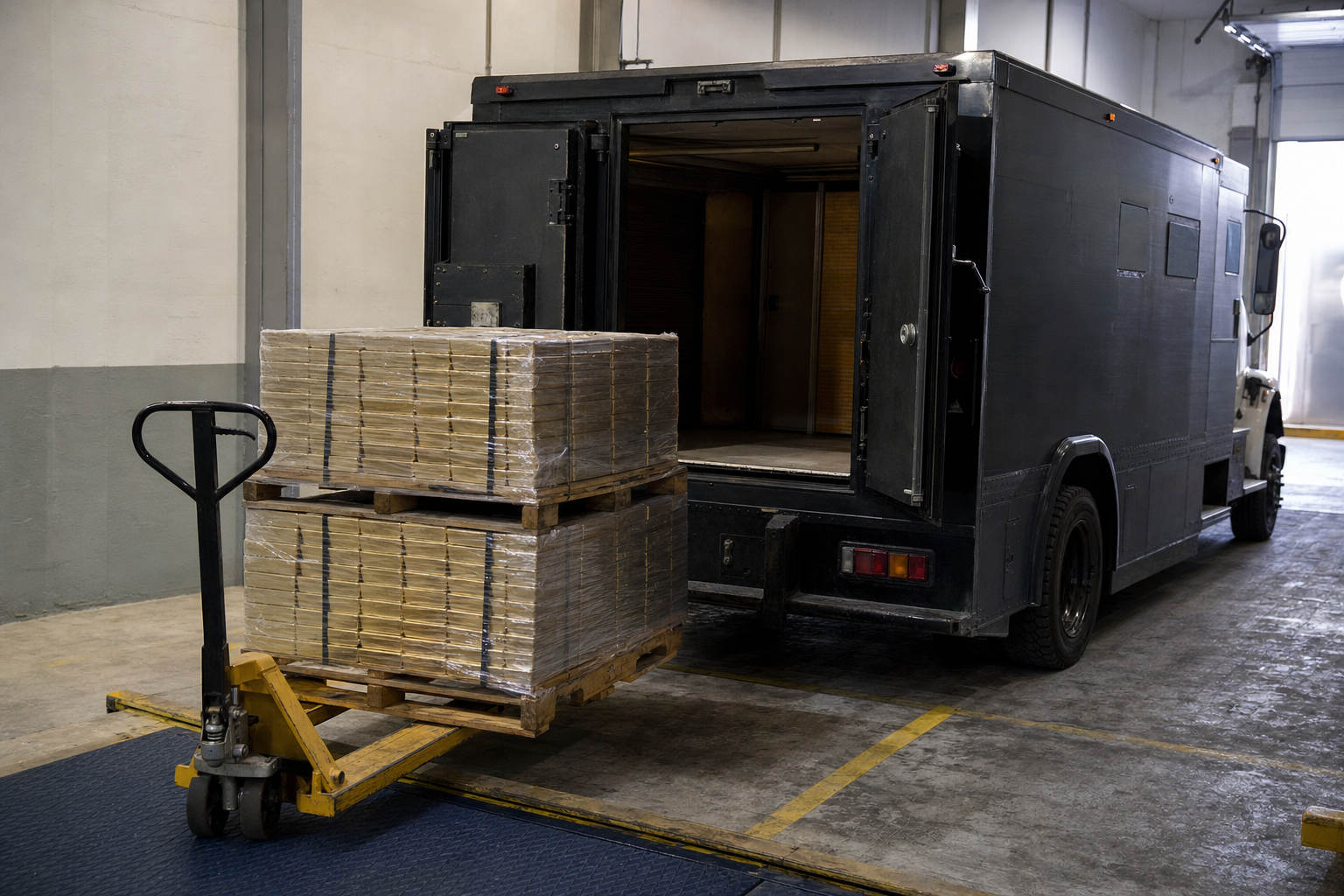
Any tokenized bullion model must connect credibly to the physical layer. That means named storage locations, auditable bar lists, and processes for conversion between token units and allocated bars. Regulatory treatment will be central, particularly where tokens functionally resemble depositary receipts or commodity claims. Liquidity concentration is another consideration: ETFs aggregate flow on regulated exchanges; token liquidity can be more fragmented across venues and time zones.
As tokenization extends into established commodity markets, the competitive landscape for gold access is set to widen. Whether via funds, accounts, or tokens, market structure choices ultimately revolve around custody assurance, transparency, and operational reliability. Allocated, fully reserved physical metal held in secure storage remains the underlying asset to which all these structures refer.