October 20, 2026
Conflict Pushes Civilians Into Gold Prospecting
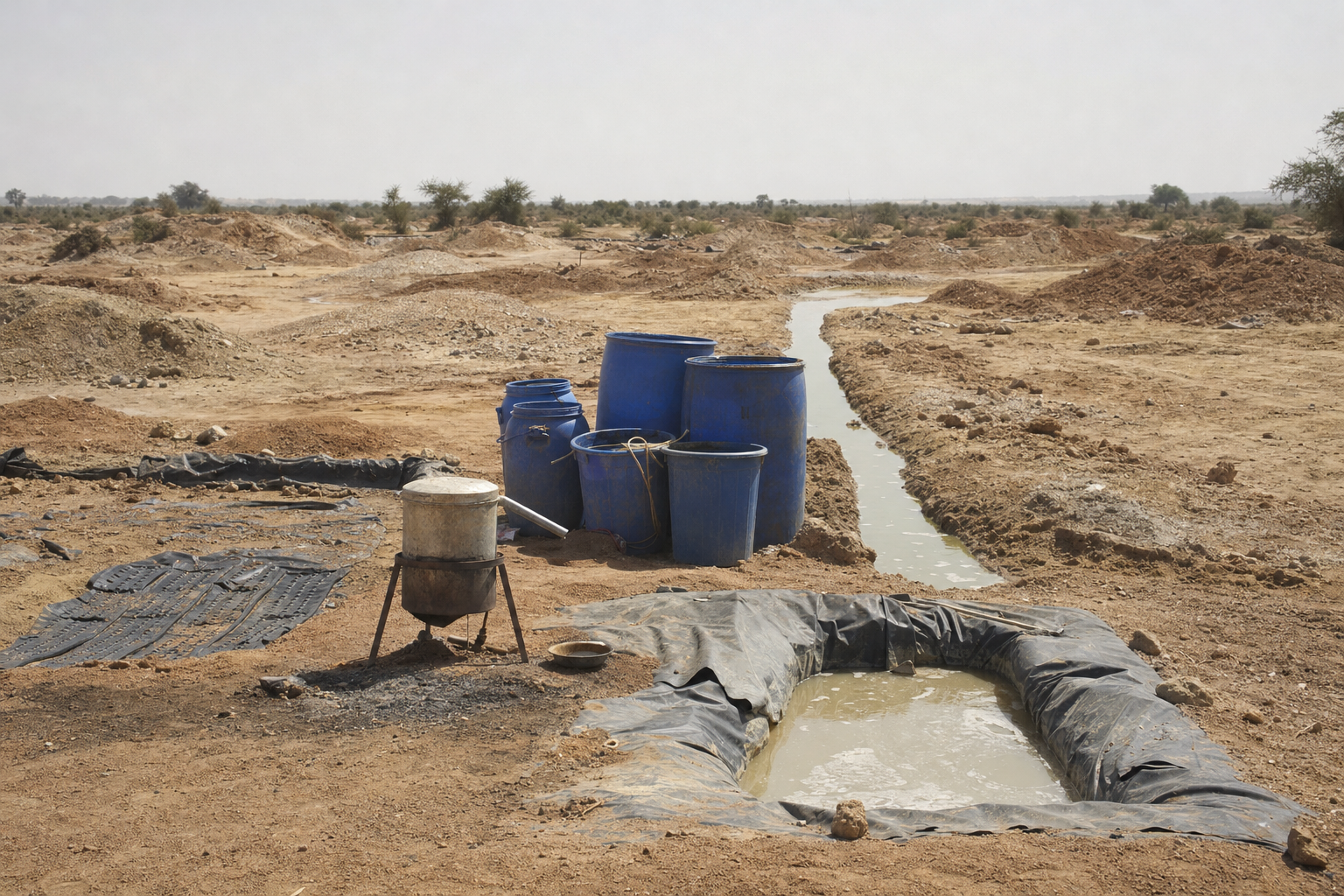
Escalating conflict in Sudan has accelerated a shift into informal gold mining as displaced civilians seek income and stability outside formal employment. Makeshift prospecting and processing sites have proliferated, reflecting low barriers to entry and the pull of near‑surface deposits. In the absence of regulated infrastructure, these activities are expanding into agricultural zones and near settlements, intertwining mineral extraction with everyday land and water use.
Toxic Exposures in Fragile Landscapes
The reliance on mercury and cyanide in rudimentary processing raises acute environmental and public‑health concerns. Mercury is commonly used to bind fine gold into amalgam before being heated to recover metal, a step that can release toxic vapor and leave residual mercury in soils and waterways. Cyanide solutions, used to leach gold from crushed ore and concentrates, pose risks if storage, handling or tailings containment are inadequate. In farming districts and along community water sources, these pathways heighten the likelihood of contamination that can compromise crops, livestock, and drinking supplies. With informal setups often lacking lined ponds, engineered drainage, or waste management, spills and seepage are more likely to migrate beyond the immediate processing area.
The cumulative effect of small, dispersed sites can be significant. Even modest, repeated discharges can persist in sediments and irrigated soils, and intermittent runoff events can distribute contaminants widely. In communities already stressed by displacement, limited access to monitoring and medical services complicates early detection and response to exposure.
Supply Chain Context and Risk Management
Unregulated output is inherently difficult to trace, complicating due‑diligence efforts for downstream buyers that must assess origin and environmental and social practices. Episodes of mercury and cyanide misuse underscore the importance of verifiable chain‑of‑custody, site‑level risk assessment, and remediation frameworks within the gold supply chain. For refiners and traders, robust controls typically focus on material provenance, processing methods, and the presence of conflict or serious human‑rights abuses, alongside environmental safeguards.
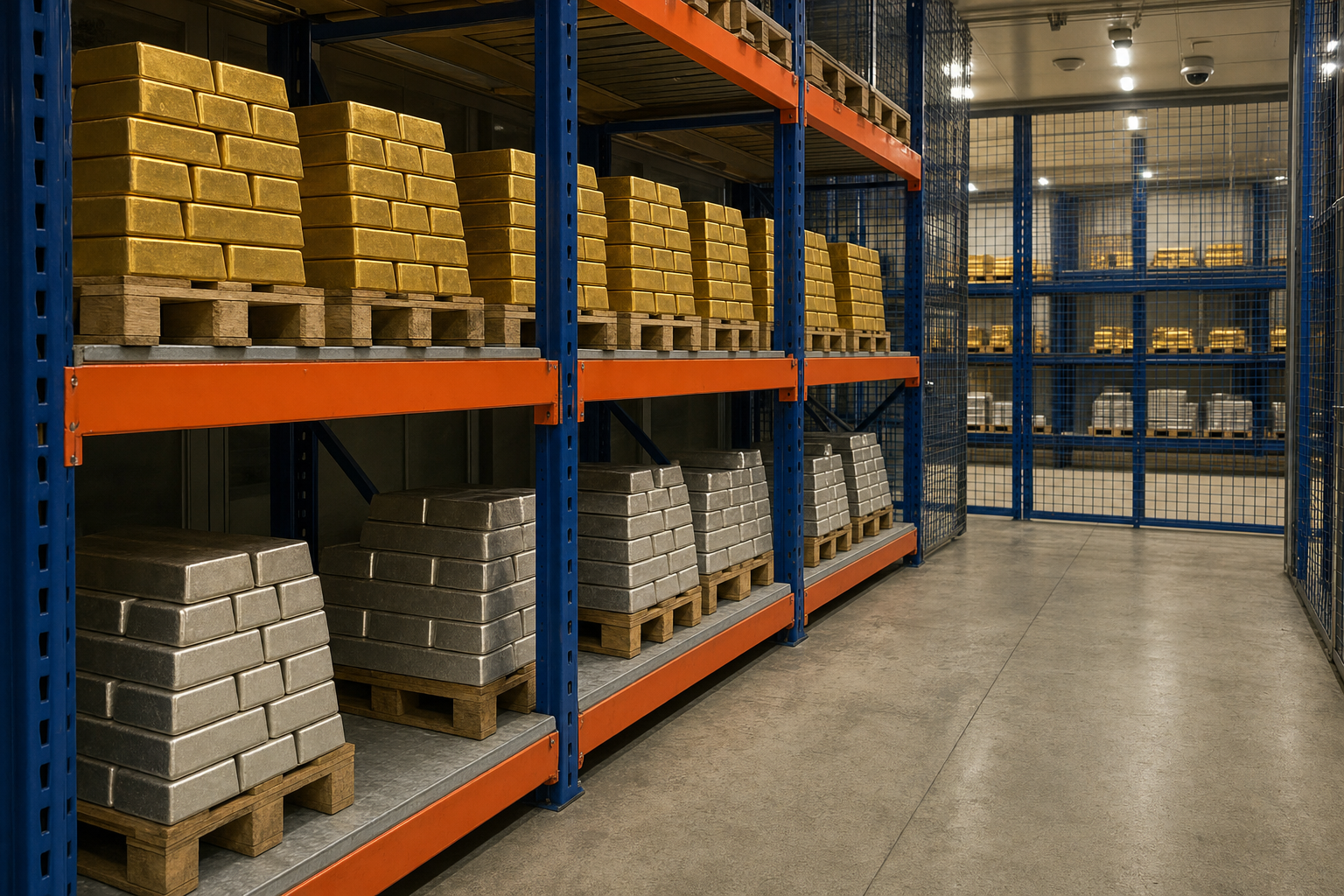
Allocated physical metal sourced through accredited channels relies on documented provenance and compliance checks designed to mitigate such risks.