
September 22, 2026
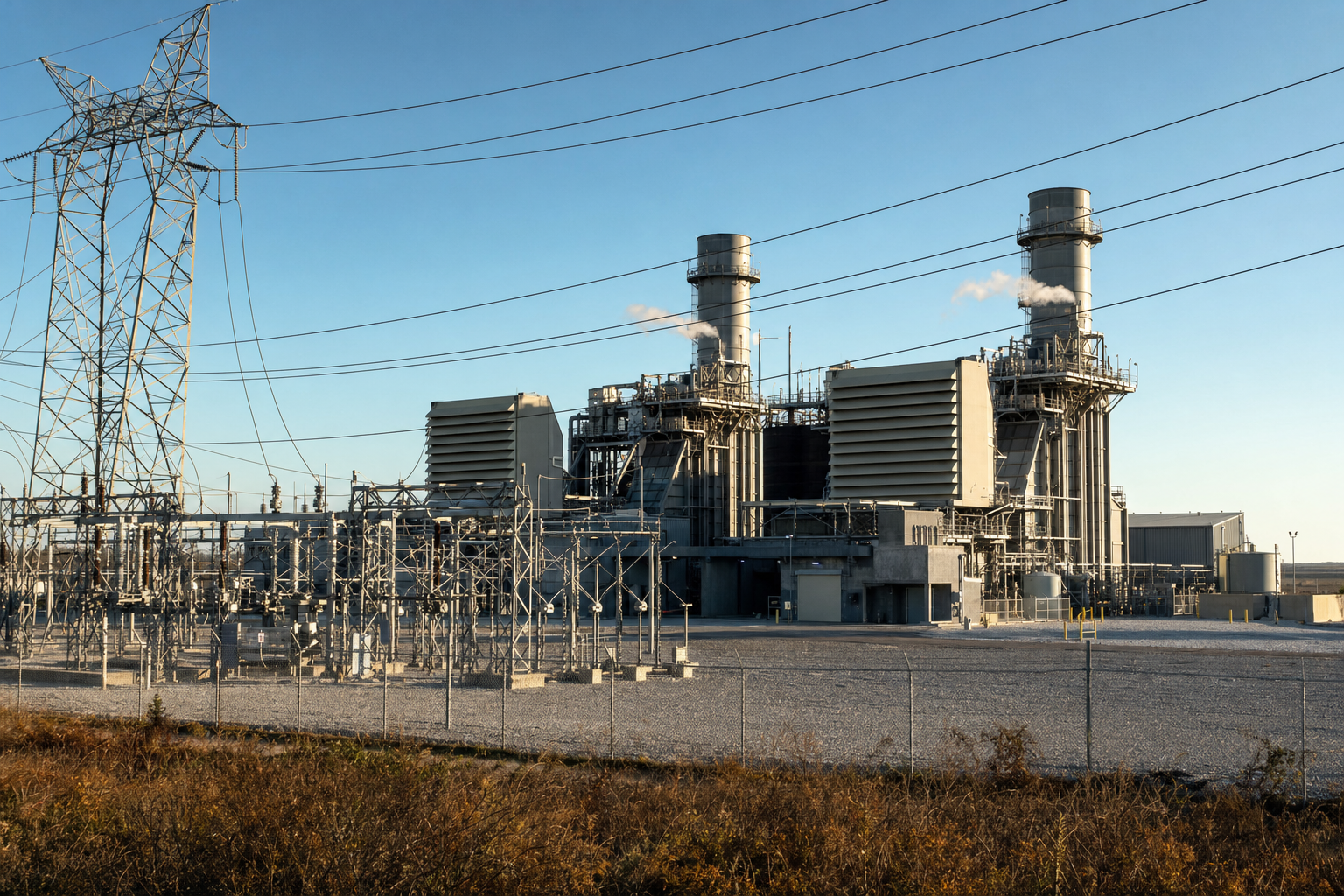
Rates Reset Lifts Utility Financing Costs
Electricity prices are trending higher as utilities face a convergence of rising input costs and more expensive capital. Operating expenses for the sector—including raw materials and fuel—continue to move up with little sign of near‑term relief. At the same time, the Federal Reserve has recently raised its discount rate, and US Treasury bond yields have reached 5%, their highest level in almost two decades. That reprices the benchmark against which utilities borrow and invest, pushing up the cost of funding networks and generation assets.
A utility’s cost of capital is anchored to two components: a risk‑free baseline, typically proxied by government bond yields, plus an additional premium that compensates providers of debt and equity for sector‑specific risks. When the risk‑free leg rises, the all‑in cost of capital generally follows. In regulated frameworks, that can feed into revenue requirements and tariff proposals, intensifying upward pressure on customer bills at the same time as operating inputs become more expensive.
Input Inflation Meets Regulatory Math
Fuel and raw material costs have been rising across the power stack, from thermal generation feedstocks to equipment and maintenance inputs. Layered on top are higher capital costs, with discount‑rate moves and bond yields resetting the hurdle for new projects and refinancing alike. For capital‑intensive, rate‑regulated utilities, these dynamics intersect directly with the mechanisms that determine allowed returns, heightening the sensitivity of end‑user prices to financial conditions.
This backdrop raises the prospect of greater scrutiny of utility profitability as stakeholders weigh affordability against system investment needs. As electricity prices drift higher, the balance between consumer protection and the returns necessary to sustain grid reliability and energy transition projects may come under closer examination. The outcome will hinge on jurisdiction‑by‑jurisdiction regulatory decisions, fuel cost trajectories, and how persistently higher funding costs prove to be.
What to Watch
- Rate case activity and regulatory guidance on allowed returns and cost recovery mechanisms.
- The persistence of Treasury yields near 5% and any further adjustments to policy rates that would influence utility financing costs.
- The pace of change in fuel and materials costs feeding through to tariff structures.
The interaction of elevated operating costs and a higher cost of capital underscores a broader macro environment of revived price pressures. Periods of persistent cost inflation and tighter financing conditions often refocus attention on real assets, including allocated physical precious metals, within diversified portfolios.