
October 5, 2026
Strategic Backing Targets Mining’s Operational Bottlenecks
Rio Tinto and Founders Factory have backed five early‑stage companies through a mining technology accelerator, focusing on copper exploration, geohazard monitoring and metals processing. The selection directs capital and industry access toward three operational pinch points that determine discovery rates, asset safety and plant recoveries across the mining value chain.
Copper exploration remains a priority as producers weigh declining head grades and the long development timelines typical of new deposits. Startups in this domain commonly apply advanced sensing, machine‑learning interpretation of geological data and faster drill‑targeting workflows to raise the probability of economic discovery while containing field costs. Improvements at the targeting stage can compress time to decision, reduce unnecessary meters drilled and refine resource models earlier in the cycle.
Geohazard Monitoring Moves to Continuous, Data‑Rich Models
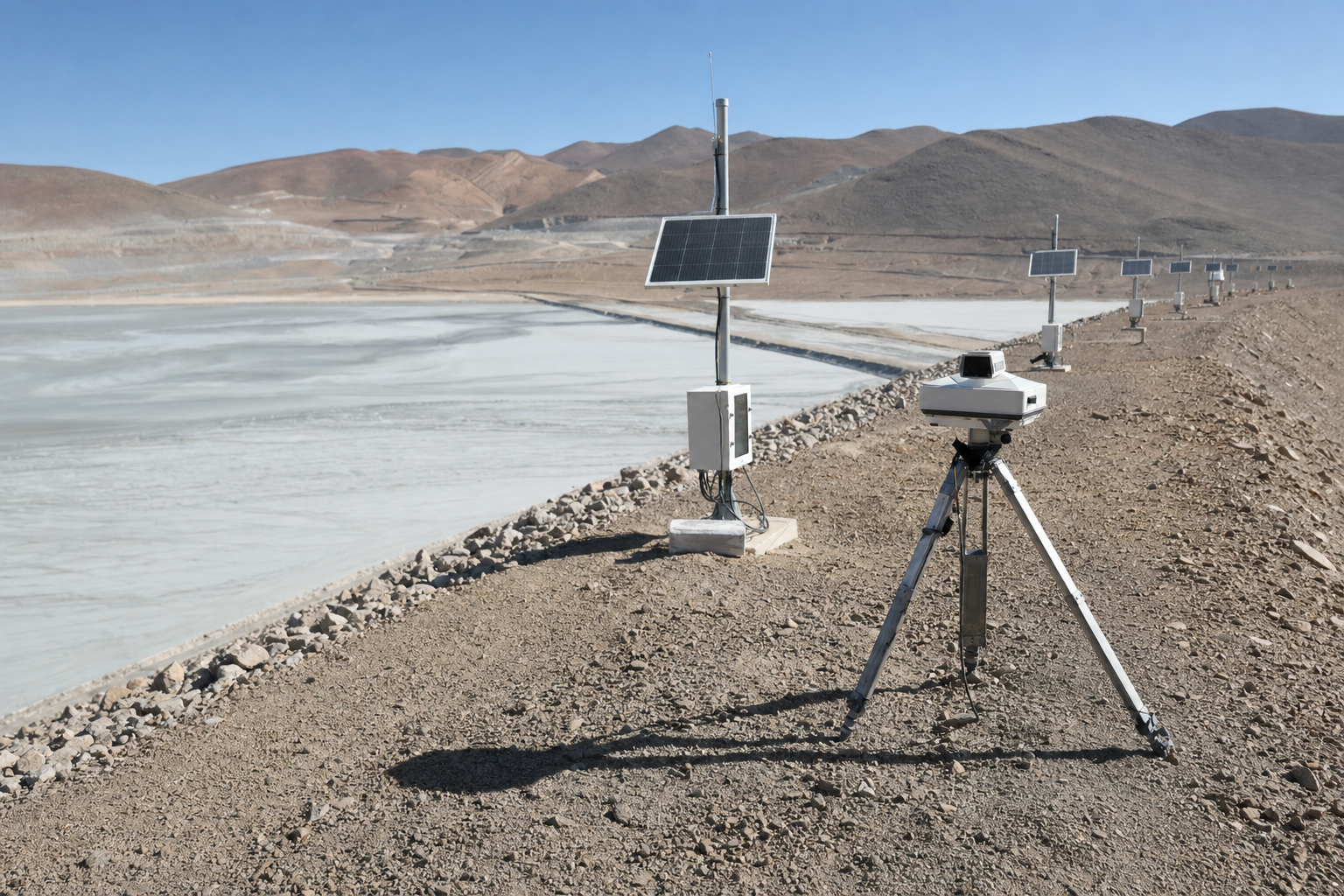
The emphasis on geohazard monitoring reflects a structural shift toward continuous, high‑resolution surveillance of slopes, tailings storage facilities and underground openings. Toolkits now combine satellite InSAR, ground‑based radar, LiDAR, and distributed fiber‑optic sensing with automated alerts and predictive analytics. For mine operators, these systems support earlier detection of movement or pore‑pressure changes, enhance compliance documentation and help allocate geotechnical teams to the highest‑risk areas. The direction of travel is toward integrated platforms that fuse disparate sensor streams into a single risk picture, enabling faster operational responses without adding headcount.
Metals Processing: Efficiency, Water and Energy
On the processing side, startups typically aim at throughput stability and higher recoveries with lower reagent, water and energy intensity. Solutions range from sensor‑based ore sorting ahead of the mill to advanced process control, real‑time mineralogy and alternative leach chemistries where applicable. Incremental improvements at each step can lift overall plant performance and trim the unit footprint of a produced tonne of metal. In copper circuits specifically, better liberation, flotation selectivity, and solvent‑extraction/electrowinning stability can materially affect cash costs and long‑term reserve conversion.
Industry participation in accelerators links field problems to agile development cycles, giving pilots access to live datasets and operational constraints from day one. For large miners, the approach offers an option set of targeted tools rather than monolithic system overhauls, reducing integration risk. For founders, it shortens feedback loops and focuses product roadmaps on outcomes that pass muster in harsh, remote environments.
While the cohort details are early‑stage, the chosen themes align with the sector’s practical needs: find copper more efficiently, operate more safely and process ore with fewer inputs. Execution will depend on proving robustness at scale, integrating with legacy systems and demonstrating measurable gains across varied geology and climates. For owners of physical metal, supply‑side advances like these inform longer‑term availability and cost structures across mined commodities.


