November 20, 2026
Lexington update
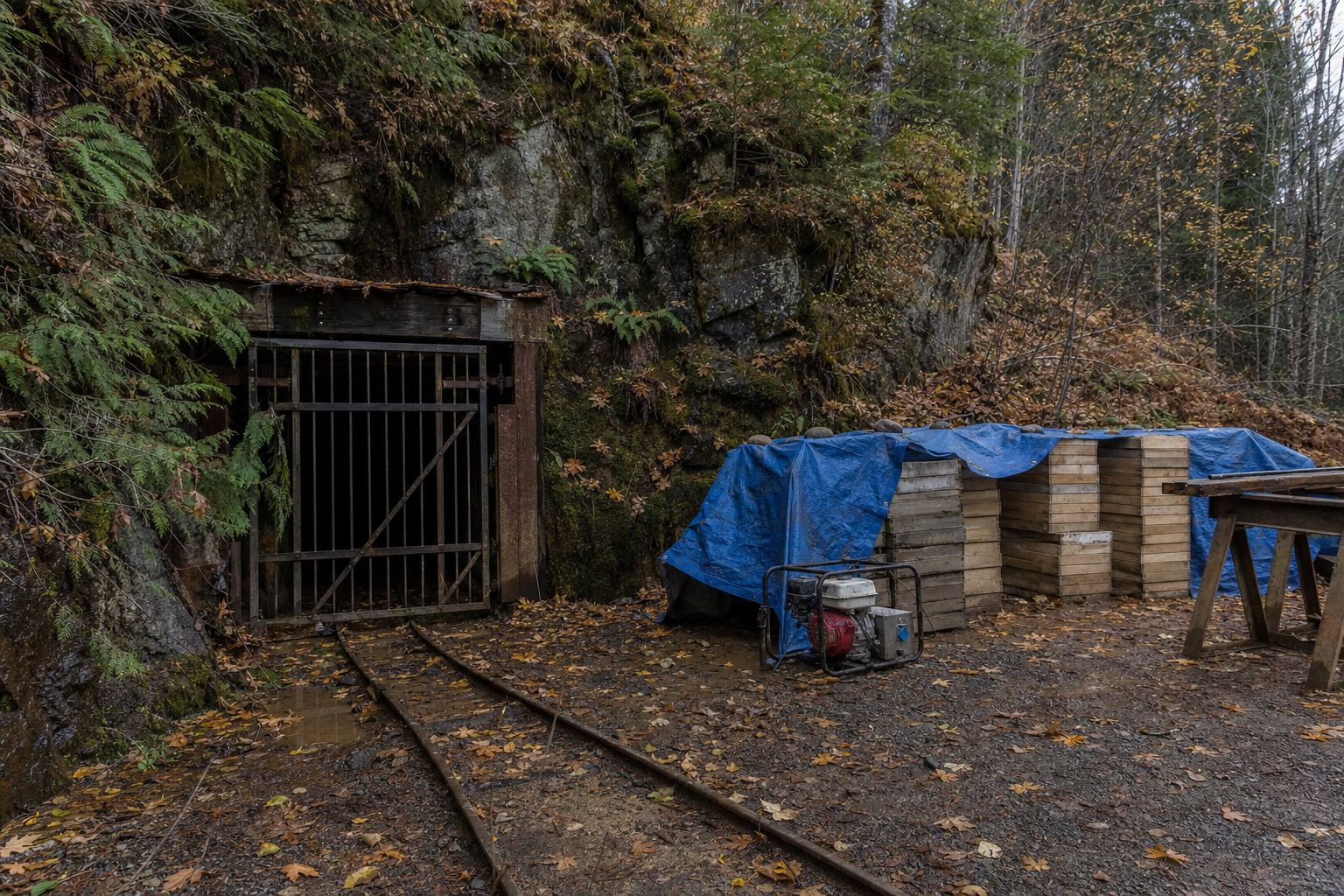
Phoenix reported broad intervals of gold and copper from drilling at the Lexington site in southern British Columbia. The work targeted an old mine area, with the company characterising the results as wide, mineralized zones carrying both metals.
While detailed assay breakdowns, geometry and continuity are central to understanding any discovery or extension, the description of broad intervals is notable in itself. In exploration reporting, “broad” typically denotes contiguous mineralization over meaningful downhole lengths, which can matter for potential mineability if supported by grade, continuity and geometry once true thickness is established. The market will look for context on interval lengths, grades, internal high-grade components, and any step-outs that test the lateral and vertical extent of mineralization around historical workings.
Lexington’s identification as an older mine site frames this as a brownfields scenario, where existing disturbance, data from prior activity and potential access can, in some cases, accelerate technical evaluation. Standard next steps following results described as broad include additional drilling to firm up continuity, updates to geologic models, and—if merited—resource estimation work. None of these are implied outcomes here; they are the conventional sequence by which such drill updates may progress.
Why it matters
Copper-gold systems remain strategically important. Copper underpins power networks and electrification, while gold is both an industrial input and a financial metal. New or expanded sources in established jurisdictions can influence the long-run supply outlook if results advance through technical studies and permitting.
Southern British Columbia is a mature mining region with supportive infrastructure and a long operating history. For a project described with broad copper and gold intervals at an old mine site, key technical questions now include the spatial extent of mineralization, the relationship between gold and copper across the reported zones, and how any mineralized envelopes reconcile with historical data at Lexington. Clarity on sampling protocols, laboratory QA/QC and any metallurgical testwork will also be important for interpreting potential recoveries where two payable metals are present.
From a metals-market perspective, incremental drilling success at brownfield locations contributes to the pipeline of possible future supply. For gold specifically, developments at copper-gold deposits can add to by-product or co-product output over time if projects ultimately proceed to construction and operation.
For holders of allocated physical metal, exploration and development updates are part of the broader backdrop that shapes medium- to long-term supply dynamics.