September 14, 2026
Project Sanction and Timeline
Osisko has approved construction of the Cariboo gold project in British Columbia, committing to build an underground mine with a total capital outlay of $841 million. The company is targeting its first gold pour by early 2029, setting a multi‑year development window from sanction to commissioning.
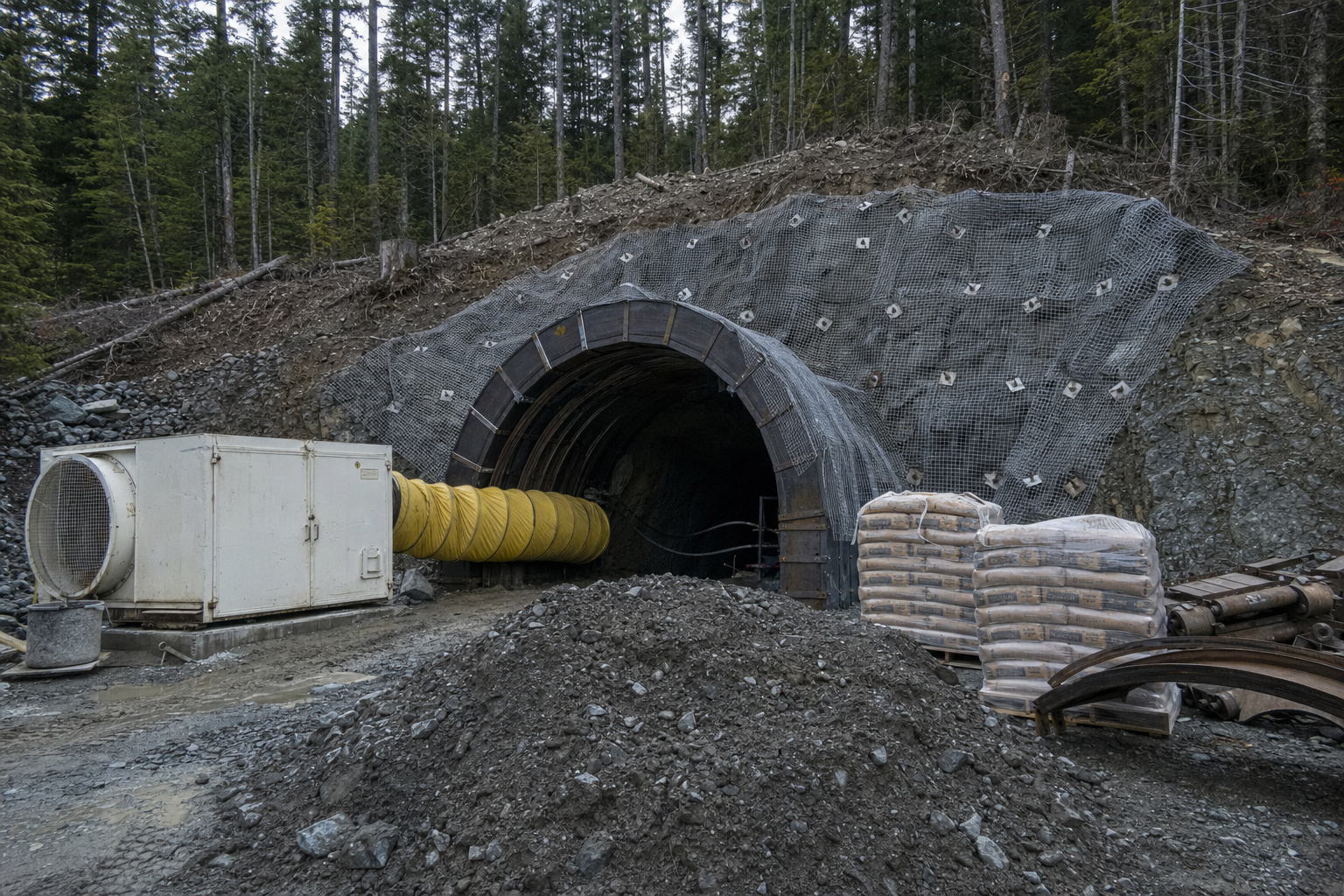
The decision moves Cariboo from planning into execution, with workstreams expected to include underground development, surface infrastructure and plant construction ahead of commissioning. The early‑2029 first‑pour objective places the project among late‑decade additions to North American gold supply, reflecting the long lead times typical of underground mines.
Build Scope and Capital Framework
An $841 million budget anchors the development plan. Within that envelope, key milestones customarily encompass detailed engineering, procurement of long‑lead equipment, establishment of underground access, and the assembly and testing of processing facilities. As with comparable projects, the construction phase will be sequenced to bring underground headings and surface circuits online in step with commissioning requirements ahead of initial production.
Transitioning to build status concentrates attention on execution discipline, schedule control and cost management over the coming years. While project specifics were not elaborated beyond total capital and the first‑pour target, the sanctioned pathway indicates the company’s readiness to mobilize and progress through critical path items to meet the stated timeline.
Sector Context
Cariboo’s greenlight adds to the Canadian development pipeline at a time when permitting, inflation and supply‑chain dynamics have extended mine build cycles across the industry. The project’s multi‑year horizon underscores how incremental primary supply in gold typically emerges well after investment decisions, rather than immediately.
For market participants tracking physical supply trends, the Cariboo approval highlights the structural cadence of new mine additions and the lag between capital commitment and first production. For holders of allocated bullion, it illustrates the slow responsiveness of mined output relative to demand shifts.