August 19, 2026
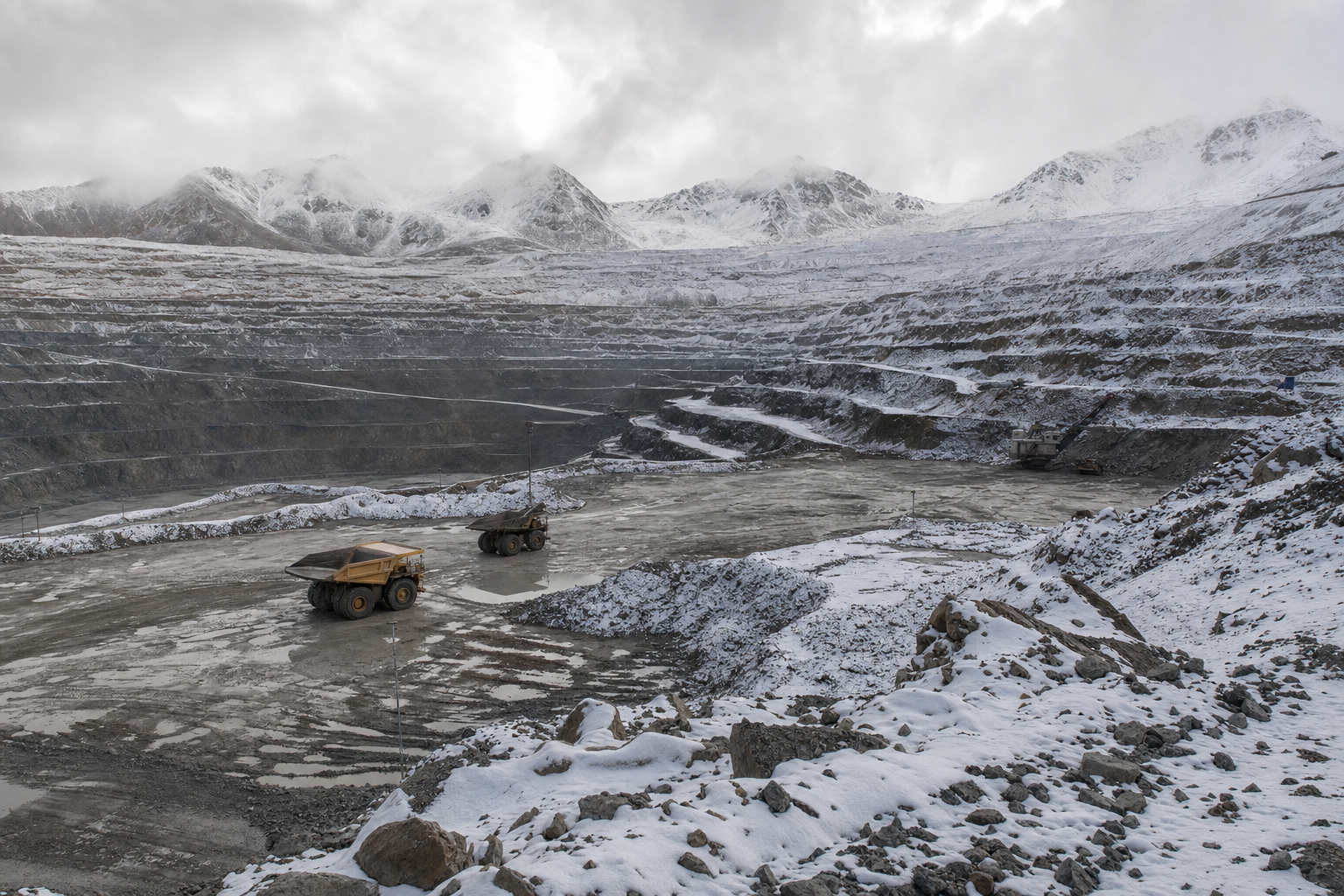
Lundin Mining reduced its copper production outlook after severe weather in Chile again disrupted operations at the Caserones mine. The company indicated that the latest storm systems have extended the site’s recovery timeline and are driving higher operating costs as work shifts toward remediation and stabilisation.
Caserones Operations Update
Caserones has faced intermittent weather-related interruptions this winter, and the newest round has proven more protracted than anticipated. The mine’s ramp-up and repair schedule has been pushed back, with management highlighting that costs are rising alongside the extended downtime. While the company has not detailed a revised milestone schedule in today’s update, the message is clear: restoration is taking longer and costing more than previously expected.
Weather in the Chilean Andes can present acute challenges for high-altitude mines at this time of year, including water management, geotechnical stability checks and constrained access for heavy equipment. Prolonged interruptions can translate into lower throughput and deferred ore movements, effects that typically ripple into higher unit costs until normal operations resume. Lundin is now recalibrating guidance to reflect those realities at Caserones.
Supply-Side Context
Chile remains the world’s largest copper producer, and unplanned outages there often attract close market attention. While Caserones is one asset among many, repeated storm-related disruptions reinforce the sensitivity of copper supply to weather and infrastructure conditions across the Andes. Extended downtime at a single site can reduce the flow of concentrate to traders and smelters, complicating shipping schedules and treatment negotiations at the margin.
This winter’s conditions add to a broader backdrop in which mine supply growth has been uneven, with operators managing grade variability, maintenance cycles and jurisdictional weather risks. In that context, the latest update from Caserones serves as a reminder that seasonal factors can alter quarterly production profiles even for established operations. Market participants will monitor how quickly the mine can return to stable output and how cost guidance evolves as remediation progresses.
What Matters Next
Key signposts include the pace of site normalisation, any further revisions to production and cost guidance, and the timing of resumed concentrate deliveries. Attention will also focus on whether additional weather systems materialise before spring conditions ease the operational environment. For downstream buyers, clarity on shipment schedules will help gauge any incremental tightness in near-term feed availability.
For investors tracking metals exposures, weather-related production variability underscores the difference between financial exposure to miners and direct ownership of the underlying metal; in precious metals, allocated physical holdings are insulated from producer operating risks.