
October 11, 2026
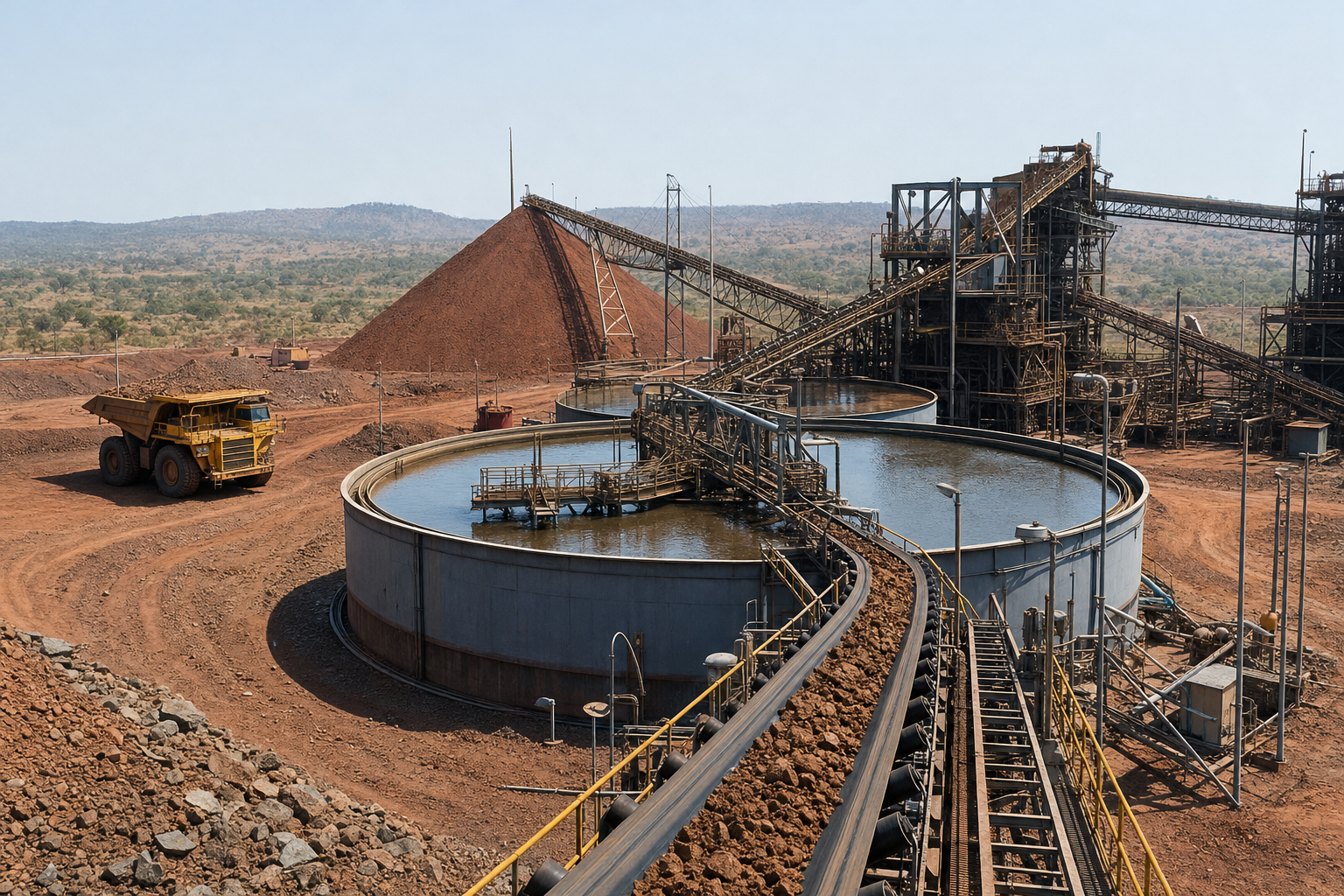
Output Rebounds At Kamoa-Kakula
Ivanhoe Mines reported a 19% increase in copper production from the Kamoa-Kakula complex in the Democratic Republic of the Congo for the latest quarter, marking a rebound in mine performance. The improvement was driven by higher mining rates and better underground access, restoring momentum after earlier constraints. While headline tonnages were not disclosed in this update, the direction of travel is clear: more developed headings and de-bottlenecked haulage have supported a stronger quarter.
The rebound underscores the leverage large-scale underground operations have to incremental gains in access and scheduling. When additional stopes and development drives come online, ore availability typically improves, enabling steadier feed to surface and milling circuits. The latest quarter appears to reflect precisely that dynamic, with mining teams accessing more faces and sustaining higher ore movements to the plant.
Operational Drivers And Supply Context
Improved underground access usually translates into more flexible sequencing, reduced congestion on ramps and ore passes, and better utilization of loading and trucking fleets. In turn, higher mining rates can support more consistent mill throughput, aiding recoveries and the cadence of concentrate shipments. Although the update did not specify grades or recoveries, the operational narrative points to de-risking of near-term production through expanded access underground.
For the broader copper market, reliability from tier-one assets is closely watched. Incremental supply from a single large complex can influence regional concentrate availability, smelter blend decisions and shipment scheduling. The latest quarter at Kamoa-Kakula adds to a picture where operational execution — rather than new project additions — remains a near-term swing factor for refined copper supply chains. Market participants will be assessing how durable these gains prove over subsequent quarters, especially as underground mines must balance development advance with stoping to maintain stope inventories.
What To Watch Next
Key markers from here include the consistency of mining rates, progress on further underground development to widen access, and any commentary on mill stability and maintenance scheduling. The sustainability of higher access and mining intensity typically shows up in the ratio of development metres to ore tonnes, ore handling reliability to surface, and the regularity of concentrate dispatches. Any update on power reliability, logistics and consumables sourcing would also help frame operating risk, given the complexity of running high-throughput underground systems in the region.
With the latest quarter showing a clear rebound, attention shifts to operational discipline to keep access ahead of the stoping plan. Execution on that front will determine how persistently the mine can deliver at the higher run-rate implied by the quarter’s outcome.


