October 22, 2026
India’s seasonal gold demand is gathering momentum, with softer prices helping to lift jewelry purchases and draw fresh inflows into domestic gold exchange‑traded funds in September. At the same time, imports fell further and futures market activity eased, indicating a shift in the mix of local market participation as the demand period unfolds.
Seasonal Demand Firms As Prices Ease
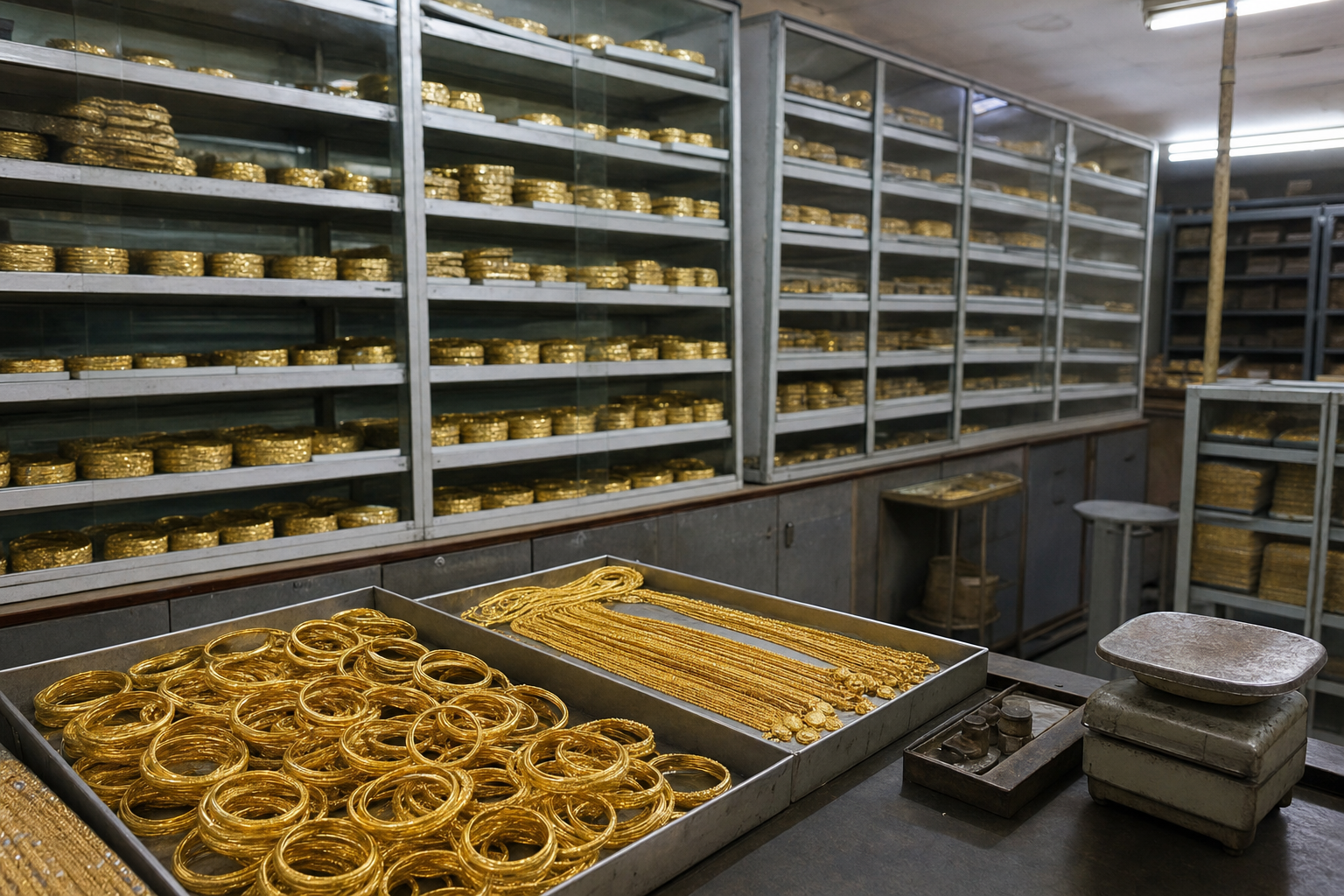
Lower prices in recent weeks supported retail buying as India moved deeper into its seasonal demand window. Jewelers reported firmer footfall and restocking, consistent with an environment where price pullbacks often prompt households to advance purchases. The tone in the bullion trade has accordingly turned more constructive on physical offtake, even as participants remain sensitive to price volatility and currency moves.
Demand dynamics in India typically hinge on income, price levels and the availability of stock at the wholesale and retail tiers. The recent dip in prices created room for buyers, with indications that buying interest broadened beyond occasion‑linked purchases. Against that backdrop, the incremental bid from the investment channel added a further layer of support.
ETFs Attract Inflows; Imports And Futures Ease
Domestic gold ETFs recorded net inflows in September, reflecting investors’ use of listed products to add exposure during periods of price softness. The return of positive flows marks a contrast with earlier, more cautious positioning and suggests a measured rebuild of local portfolio allocations to gold.
In parallel, official gold imports declined further. The moderation in inbound shipments, occurring alongside improving retail demand, points to tighter import appetites among trade houses and a greater reliance on existing inventories. It also coincided with a slowdown in futures activity, as participants appeared less inclined to add leverage on the derivatives side while physical interest firmed.
Taken together, the combination of rising ETF holdings, steadier jewelry buying and lighter imports outlines a market that is absorbing metal already in the system while reacting to price signals. The pattern will bear watching as the demand season progresses and as any subsequent price moves influence the pace of replenishment at the wholesale level.
Market View
Key variables into the year‑end demand window include the trajectory of local premiums versus international benchmarks, the depth of trade inventories, and investor appetite for further ETF allocations should prices remain range‑bound. The balance between physical offtake and the timing of import restocking will determine how quickly inbound volumes normalize after September’s slowdown.
For holders of allocated physical metal, shifts in local imports and futures positioning do not alter title to specific bars, but they can influence regional liquidity conditions and premiums in the near term.