August 28, 2026
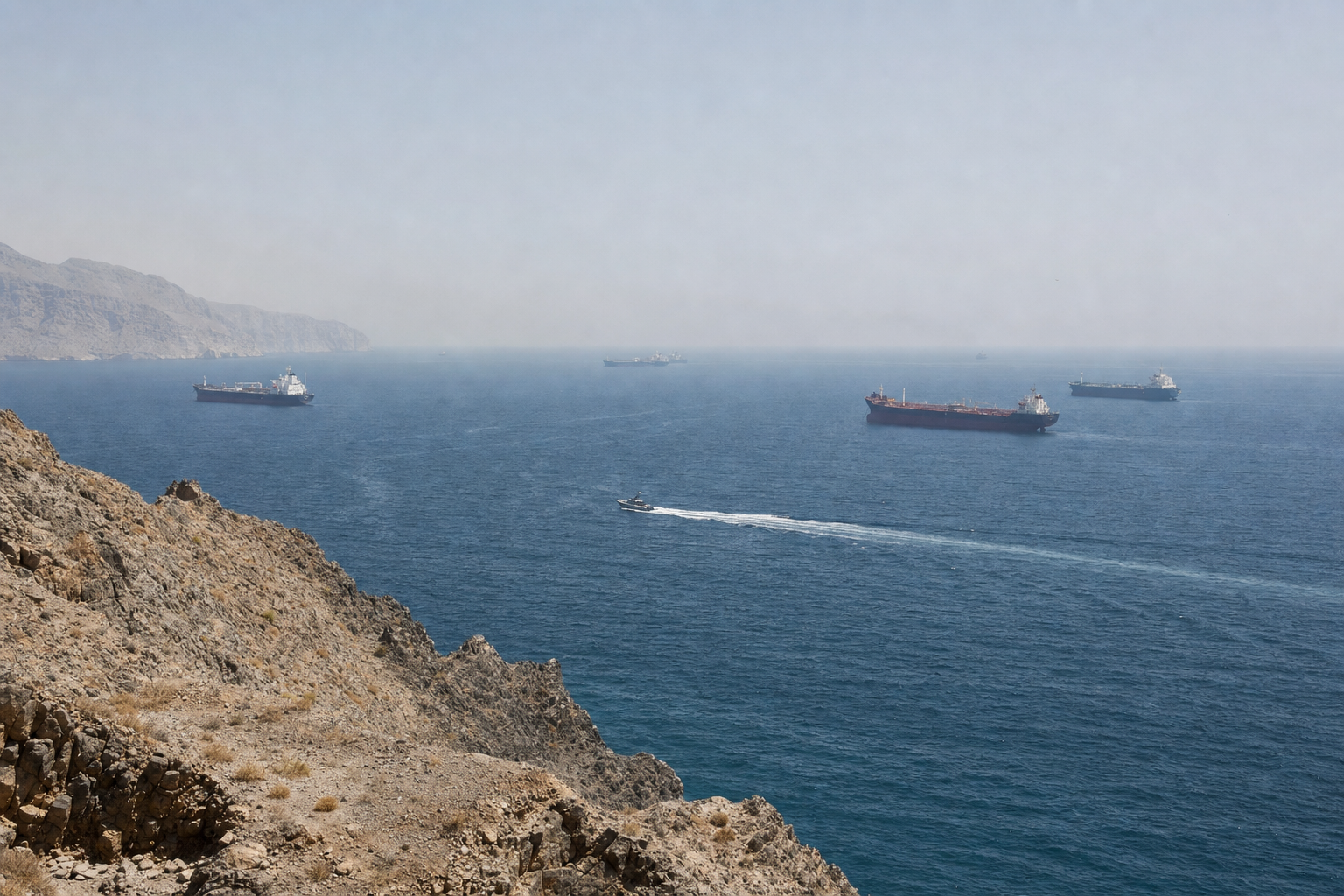
Passage Reopens, But Traffic Is Scarce
Shipping through the Strait of Hormuz remains far from normal. While internationally recognized lanes have been cleared of mines and vessels can technically be shepherded through, most commercial operators are still staying away. On Tuesday, only five commodity vessels made the transit, compared with some 130 ships per day before the war.
The narrow reopening is operational rather than commercial. Clearance work has restored a navigable channel, yet risk tolerances have not reset. The gap between what is technically possible and what is acceptable for routine scheduling, crewing, and insurance leaves the chokepoint functioning at a fraction of prior throughput. For cargo owners and carriers, the prospect of sudden escalation remains a binding constraint on routing decisions and loading programs.
Conditional Corridor, Uncertain Normalization
Iran is offering a temporary and limited corridor. Full normalization is being linked to broader political terms, including sanctions relief and an end to the U.S. blockade. Against that backdrop, a comprehensive return to pre-war traffic levels remains contingent on more than the physical status of navigational lanes.
This conditional framework explains the hesitancy on display in the traffic data. Even with mines cleared from recognized routes and the capability to escort ships, the residual military risk is still shaping commercial behavior. Operators appear unwilling to commit vessels and schedules until they see durable de-escalation and clarity on the terms under which the corridor would remain open.
What To Monitor
The pace of daily crossings will be the clearest real-time indicator of normalization. A sustained rise from single-digit transits would signal improving confidence; continued lulls would imply that risk premia and contingency planning remain dominant. Developments around the duration and scope of the temporary corridor, as well as any changes in the security posture around the lanes that have been cleared, will be critical in determining whether shipping patterns gradually stabilize or remain disrupted.
Persistent chokepoint risk underscores the broader vulnerability of physical supply chains; for some, certainty of title and access is a consideration in how they hold tangible assets.