September 17, 2026
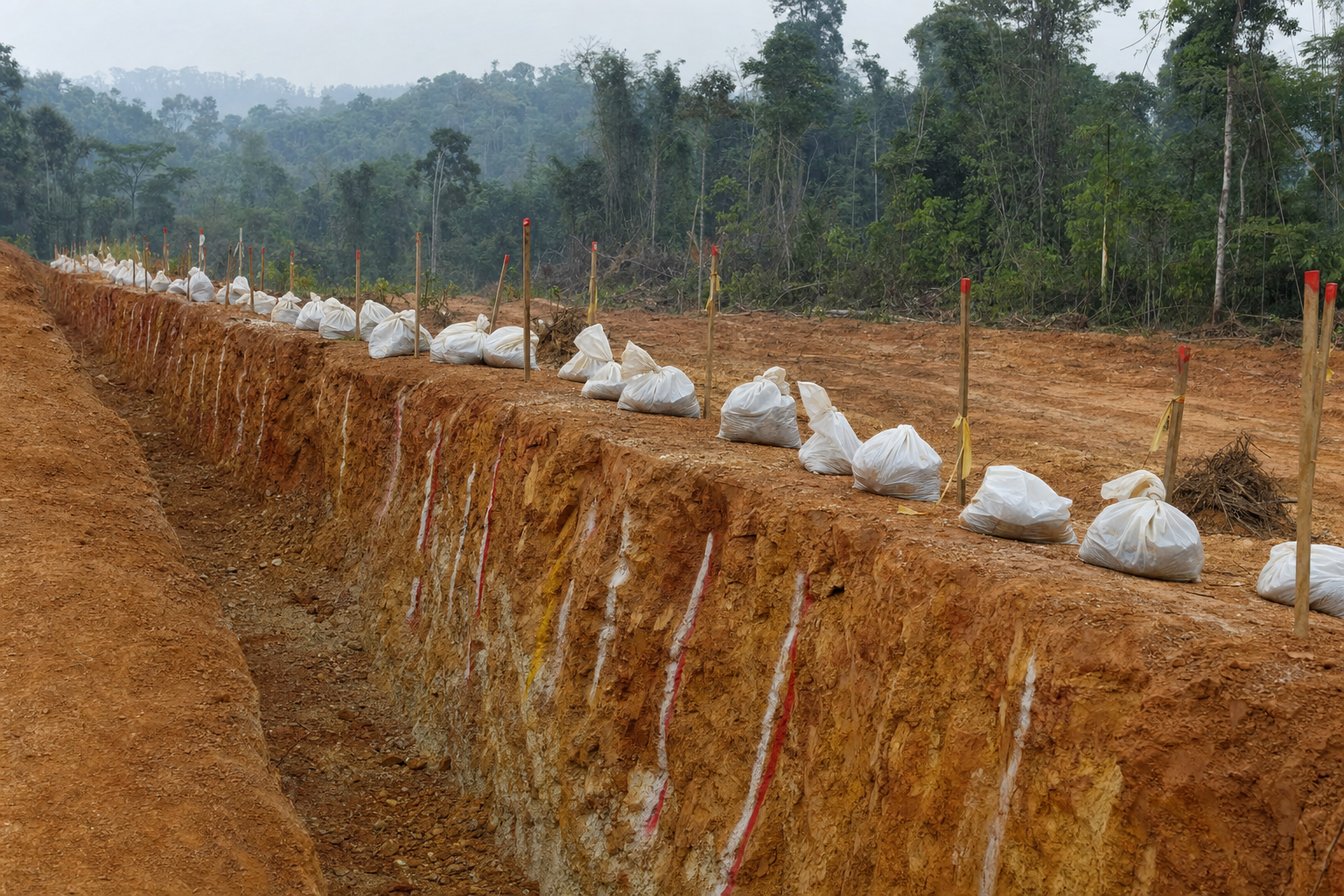
G Mining has identified a new gold deposit in Brazil, with initial results indicating the mineralized system remains open beyond the limits defined by previous resource work. The update points to continuity of mineralization outside earlier boundaries and suggests further potential along strike and at depth.
Discovery Scope And Geological Signals
“Open” mineralization in exploration parlance indicates that drilling or sampling has not closed off the extent of the ore system in one or more directions. In practice, this typically means follow‑up step‑out drilling is warranted to test for extensions laterally and vertically, as well as to evaluate potential parallel structures or splays. Where early work defined a resource envelope, evidence that mineralization continues beyond it can, with additional drilling, support future resource growth, refinement of geometry, and a clearer understanding of grade distribution.
In greenfield and brownfield settings alike, the next technical focus commonly includes orienting holes to probe structural controls, assessing alteration and veining intensity, and testing for continuity between mineralized intercepts. System openness also raises questions around potential metallurgical variability across the footprint, which future testwork often addresses in parallel with geologic modeling. None of these steps alone determine economic viability, but together they shape the foundation for subsequent technical studies.
Path From Discovery To Definition
A new discovery customarily enters a sequence of work programs: step‑out and infill drilling to constrain size and continuity; an updated mineral resource estimate once sufficient data density is achieved; and, if warranted, scoping‑level studies that examine mining methods, processing routes, infrastructure needs, water and tailings management, and permitting pathways. Timelines and outcomes vary with geology, access, and regulatory requirements. In Brazil’s diverse mining jurisdictions, logistics and seasonality can influence field activity, while established service hubs and a skilled contractor base support sustained campaigns.
As additional information is gathered, key technical questions include the scale of the mineralized footprint, the distribution of higher‑grade domains, hydrogeological conditions, and the response of the ore to conventional processing. Environmental baseline work and engagement with local stakeholders typically run alongside drilling as projects mature.
Market Context
Brazil remains a significant gold‑producing country, hosting multiple mineral belts where discoveries have periodically translated into new mines over multi‑year horizons. Fresh discoveries can reshape local exploration focus and capital allocation within districts, though they do not immediately alter near‑term supply.
Today’s update from G Mining signals a larger search space than previously outlined by resource work at the project. The pace and results of the next phases will determine how much of that open potential can be converted into defined resources and, ultimately, whether economic studies advance.
For portfolio construction, discoveries inform the longer‑term supply picture for bullion, while allocated physical ownership remains distinct from exploration, development, and operational risks.