October 27, 2026
Earnings Beat In A Mixed Quarter
Freeport reported third‑quarter earnings ahead of market expectations, delivering an upside result despite operating headwinds. The company, one of the world’s largest producers of copper with meaningful exposure to gold, highlighted a quarter marked by rising costs alongside a sharp drop in gold sales. The beat underscores the resilience of diversified base‑and‑precious metal producers to navigate uneven commodity flows within a single reporting period.
The combination of stronger earnings against a more challenging cost backdrop places emphasis on production mix and price realization across the suite of metals. While quarterly gold sales were notably weaker, overall performance still cleared consensus, indicating that other parts of the business offset the drag from precious‑metal volumes. The result arrives at a time when miners have been contending with input inflation and operational complexity across large, multi‑asset systems.
Cost Pressure Versus Volume And Mix
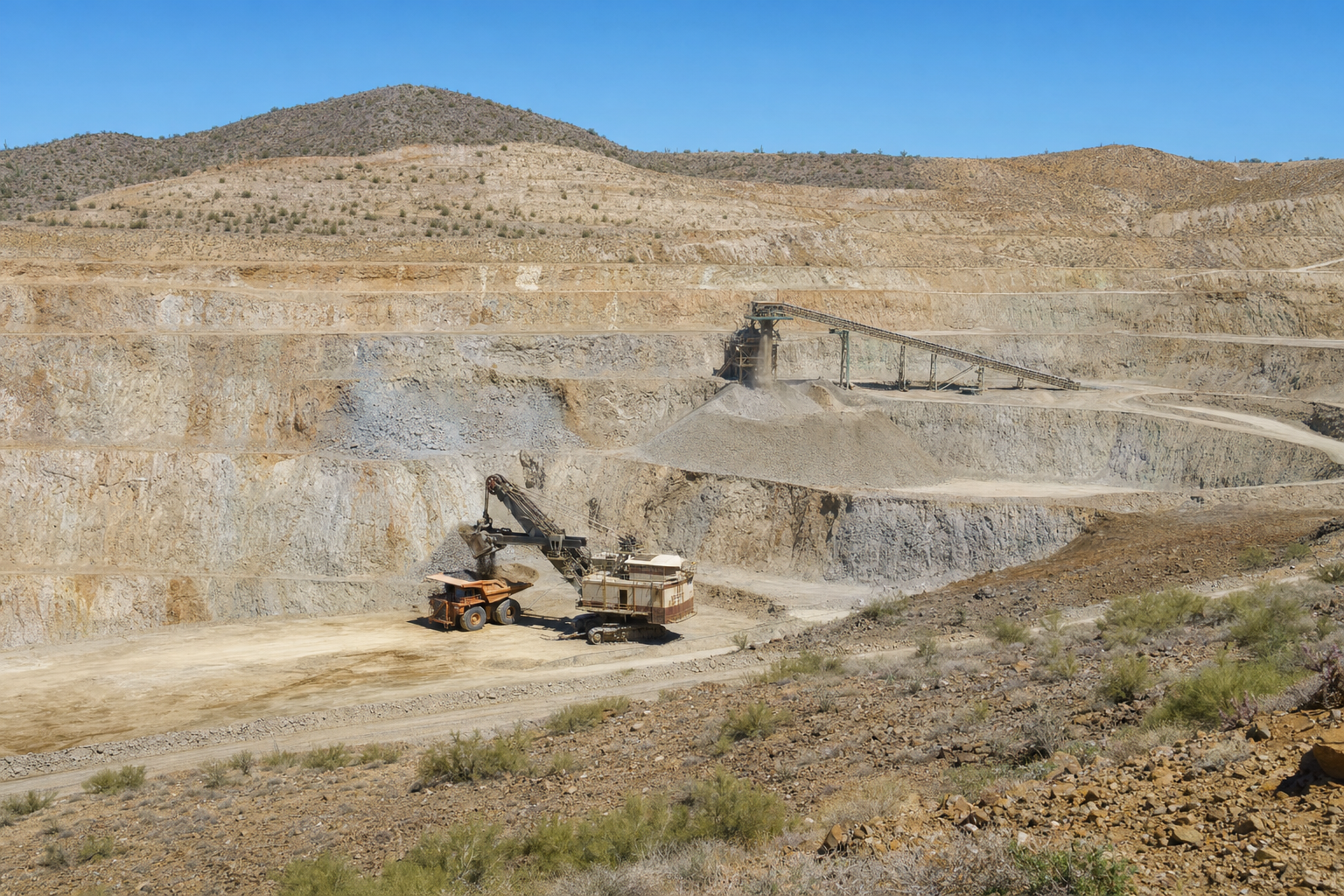
Rising costs continue to be a central industry theme, with energy, maintenance, consumables and mine sequencing frequently cited as drivers across large-scale operations. In this case, higher unit costs coincided with lower gold sales, a combination that would ordinarily compress margins. That the company exceeded expectations regardless points to supportive dynamics elsewhere in the portfolio during the quarter.
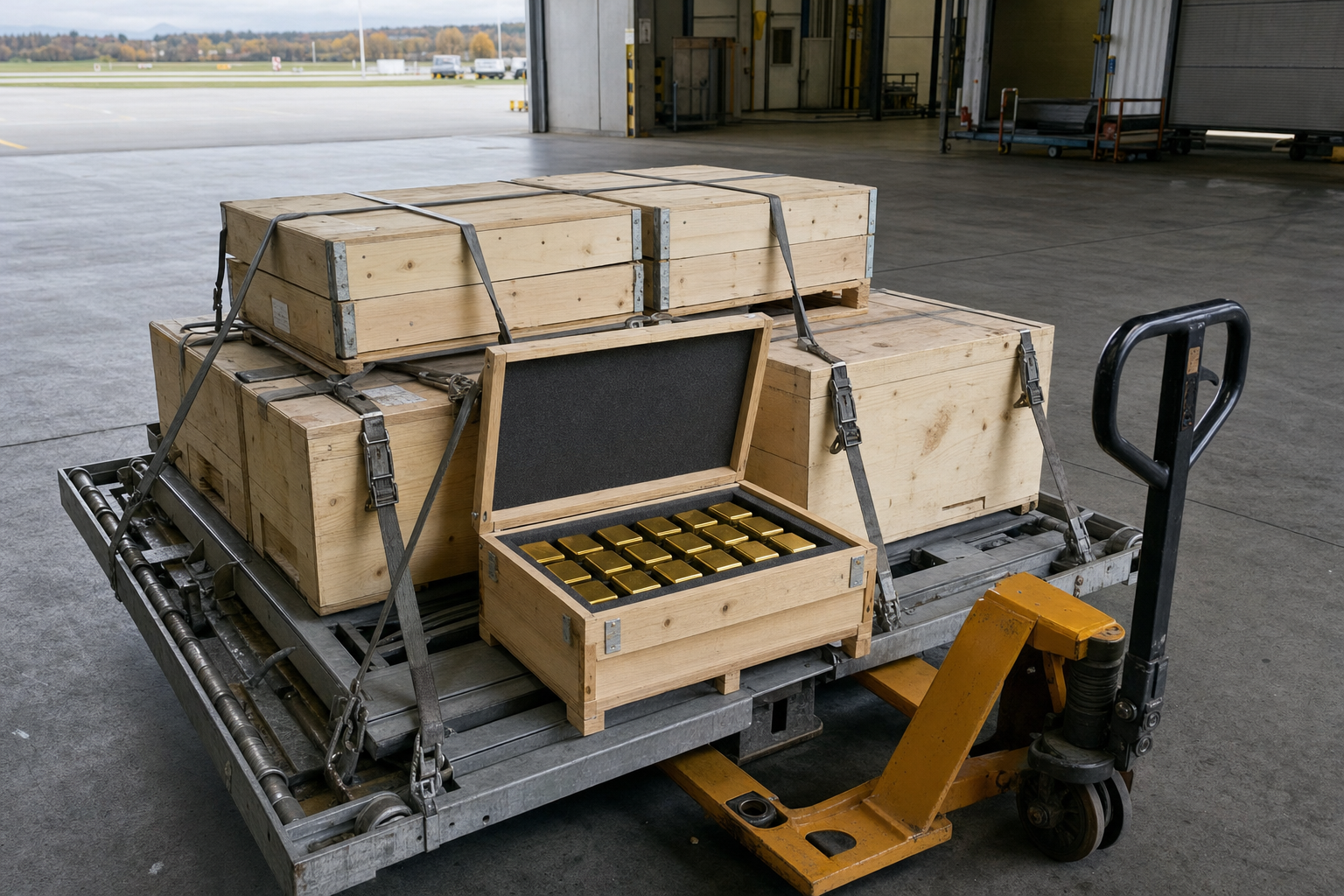
For the gold market specifically, a sharp quarter‑on‑quarter decline in sales from a major producer draws attention to the timing effects that can influence mined supply as it reaches end markets. Such moves can reflect routine variability within complex operations and do not necessarily speak to longer‑term run‑rates. From a broader metals standpoint, the print illustrates how revenue mix can shift quickly between copper and gold, with consolidated earnings shaped by the interplay of realized prices, grades, recoveries and throughput.
Market Context
Third‑quarter reporting from diversified miners has featured a recurring pattern: continued cost inflation set against improving operational execution or supportive price environments in one or more key commodities. Today’s result fits that template. It also highlights the importance of balance sheet discipline and operational flexibility in sustaining earnings through commodity‑specific softness within a quarter.
For physical gold market participants, quarterly sales swings at large producers are one factor among many in the flow of newly mined metal; bar and coin demand, central‑bank activity and recycling remain important determinants of available supply beyond any single company’s results.