
October 5, 2026
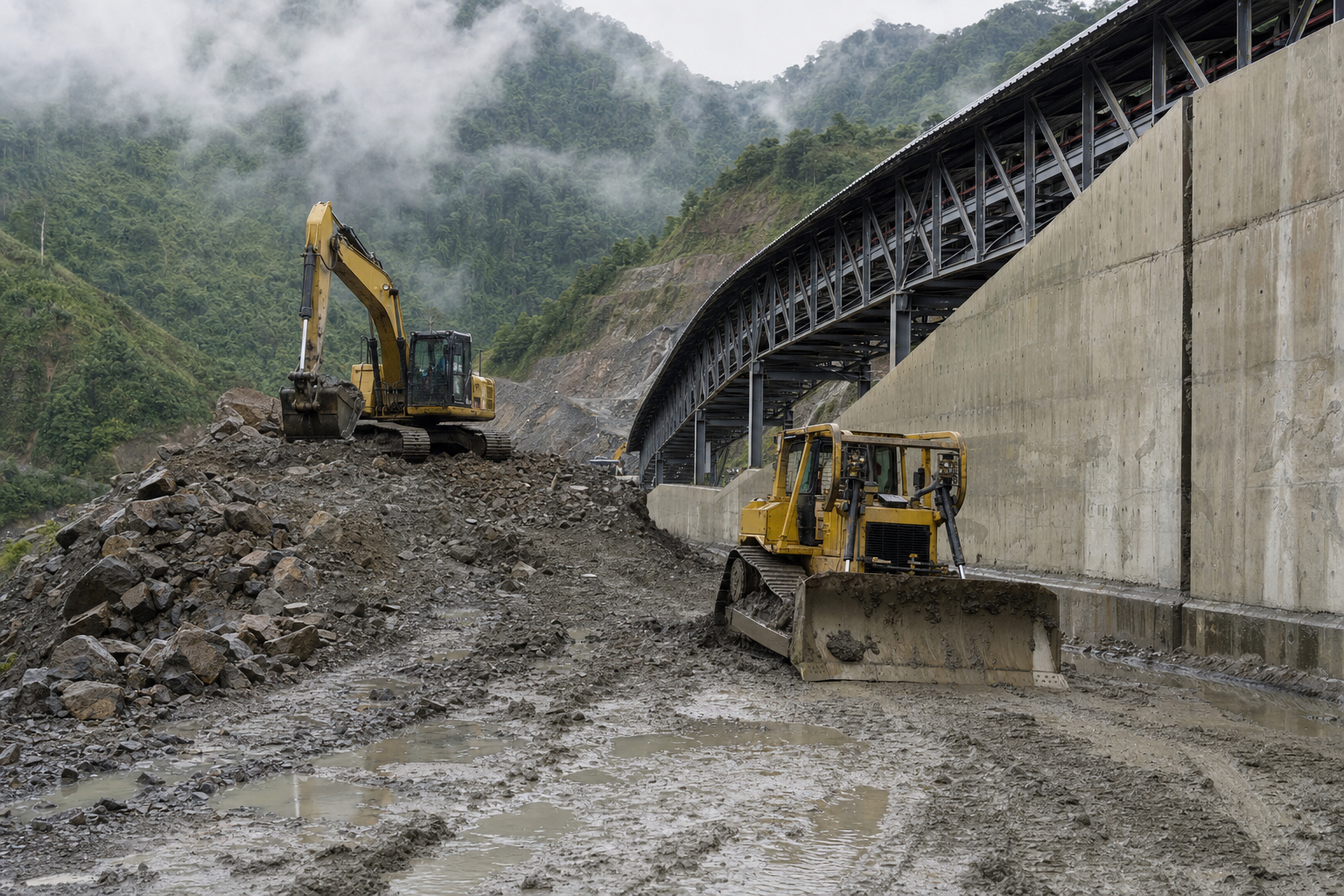
Freeport’s Grasberg copper mill has restarted to 67% of capacity following a mudslide, with the company indicating it expects to reach near-full production by the end of next year. The incremental ramp-up restores a significant portion of processing capability while on-site recovery work continues.
Operational Recovery
The current utilization points to a partial resumption of milling circuits as crews stabilize ground conditions and restore material handling. After geotechnical incidents, operators generally sequence restarts through debris removal, inspections, and phased recommissioning of crushers, conveyors, and grinding lines to ensure equipment integrity and slope stability. The move to 67% suggests ore feed and concentrate loadings are being balanced against ongoing remediation and monitoring.
Key factors typically shaping such recoveries include weather windows, access road reliability, and plant maintenance backlogs that can accumulate during shutdowns. As throughput builds, priority often falls on maintaining consistent ore quality to protect recoveries in the flotation plant and to minimize unscheduled downtime. The guidance toward near-full output by the end of next year frames a multi-quarter pathway, indicating that remaining constraints are expected to be addressed progressively rather than in a single step.
Market Context and Timeline
Copper supply is sensitive to episodic disruptions at large complexes. Even temporary curtailments can affect regional concentrate availability and shipping schedules, particularly where mine, mill, and port logistics are closely coupled. A visible and extended ramp-up timeline tends to moderate immediate supply-side pressure by signaling a measured return of tonnes rather than a rapid surge. For counterparties across the chain—smelters, traders, and fabricators—the cadence of recovery informs planning for feedstocks, maintenance, and inventory buffers.
From a risk perspective, geotechnical and weather-related events remain a recurrent feature for open-pit and high-altitude or high-rainfall operations. Operators typically respond with enhanced slope monitoring, drainage improvements, and contingency ore-routing to reduce single-point vulnerabilities. While each site is unique, market attention commonly centers on subsequent utilization milestones, the stability of ore movement from pit to plant, and the reliability of logistics corridors once normal operations resume.
Investors and industry participants will watch for updates that clarify the pace of throughput gains and any changes to planned maintenance or mine sequencing that could influence sustained run-rates. The stated objective of near-full production by the end of next year provides a reference point against which quarterly operating data can be assessed.
Large copper operations can also produce precious metals as by-products, so prolonged processing interruptions at complex sites may have secondary effects on bullion supply chains as well as on base-metal markets. Allocated physical ownership sits downstream of these realities, reflecting the cadence of mine-to-market flows.


