
October 9, 2026
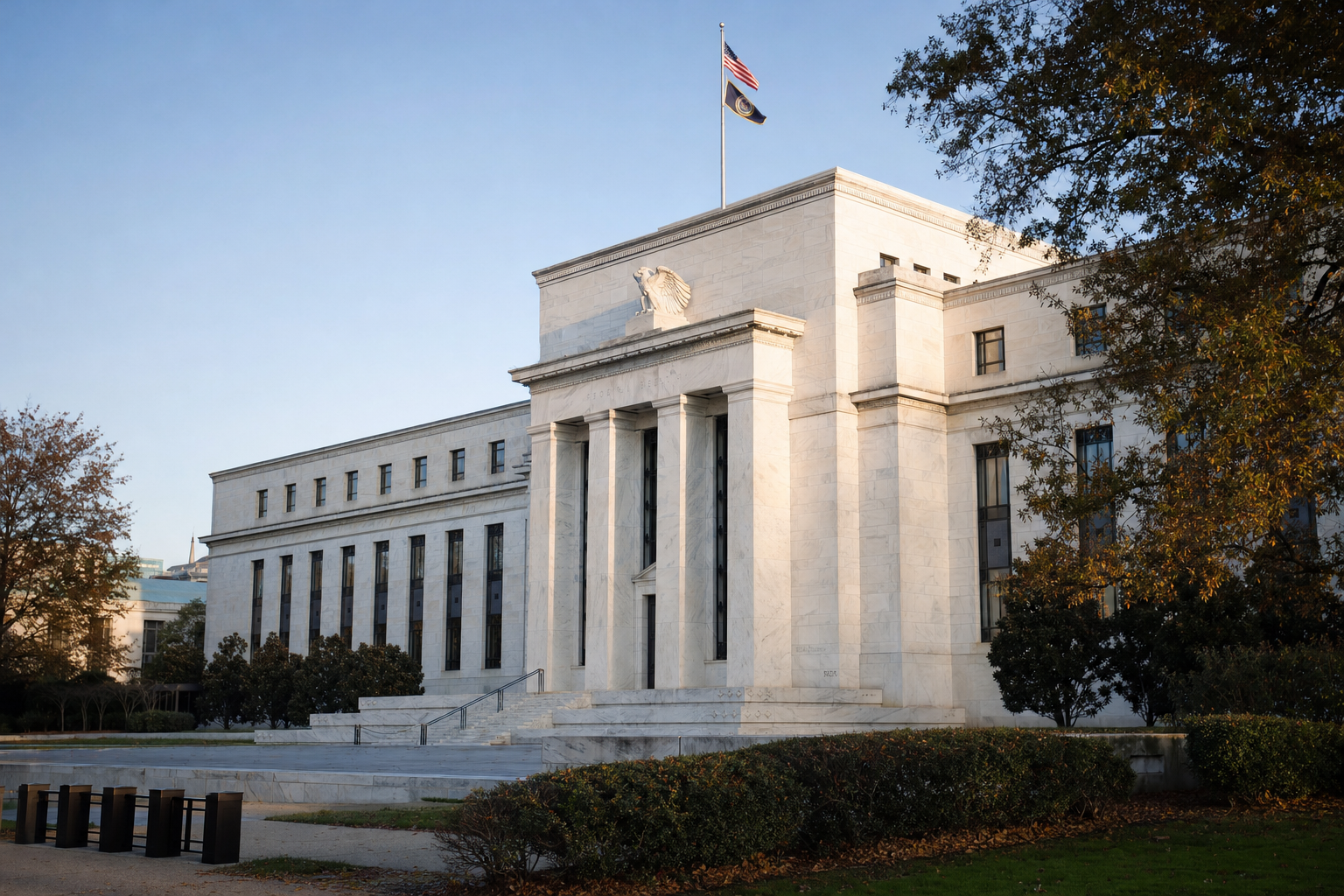
Policy Signal From the September Meeting
Minutes of the Federal Open Market Committee’s September 15–16 meeting indicate officials remain focused on persistent inflation and are prepared to tighten further if needed. Most participants judged that another increase in the policy rate would likely be warranted before year‑end, underscoring a willingness to act should progress on inflation stall. The discussion framed policy in terms of addressing ongoing price pressures while monitoring the balance of risks to activity and employment.
The staff review of financial conditions noted that the market‑implied path for monetary policy had risen notably over the intermeeting period. That adjustment reflected shifting expectations around the timing and likelihood of additional tightening. While no specific timetable was set, the minutes make clear that the Committee is attentive to both realized data and evolving financial conditions in assessing the need for further action.
Shifting Drivers of Core Inflation
Several participants highlighted that the effects of the artificial intelligence buildout on core inflation appeared to be increasing, even as the influence of past tariff measures was waning. The discussion points to a transition in underlying drivers of price dynamics: capacity expansions and technology‑related investment can support productivity over time, but in the near term may add to demand for specialized goods, equipment, and services, with potential pass‑through to core prices. By contrast, the earlier impulse from tariff‑related cost pressures was viewed as fading.
The minutes stop short of quantifying these effects, but the emphasis on sectoral shifts is notable. It suggests the Committee is parsing how structural investment trends and supply chain reconfiguration intersect with labor, services, and shelter components that have comprised much of core inflation’s persistence over recent quarters.
Funding Conditions and Market Read‑Through
With the market‑implied policy path moving higher across the intermeeting period, financing conditions remain a central transmission channel for policy. Higher expected policy settings typically influence term premiums, credit spreads, and exchange‑rate dynamics, which in turn shape broader financial conditions and real‑economy behavior. The Committee’s posture, as reflected in the minutes, is to calibrate future moves against incoming evidence on inflation, growth, and the functioning of markets.
For precious metals investors, policy expectations, real interest rates, and the dollar are well‑observed variables that can affect bullion demand and relative pricing across assets. Holders of allocated physical gold and silver often monitor these macro drivers alongside supply‑chain developments and vault liquidity conditions.


