October 28, 2026
Discovery and Immediate Context
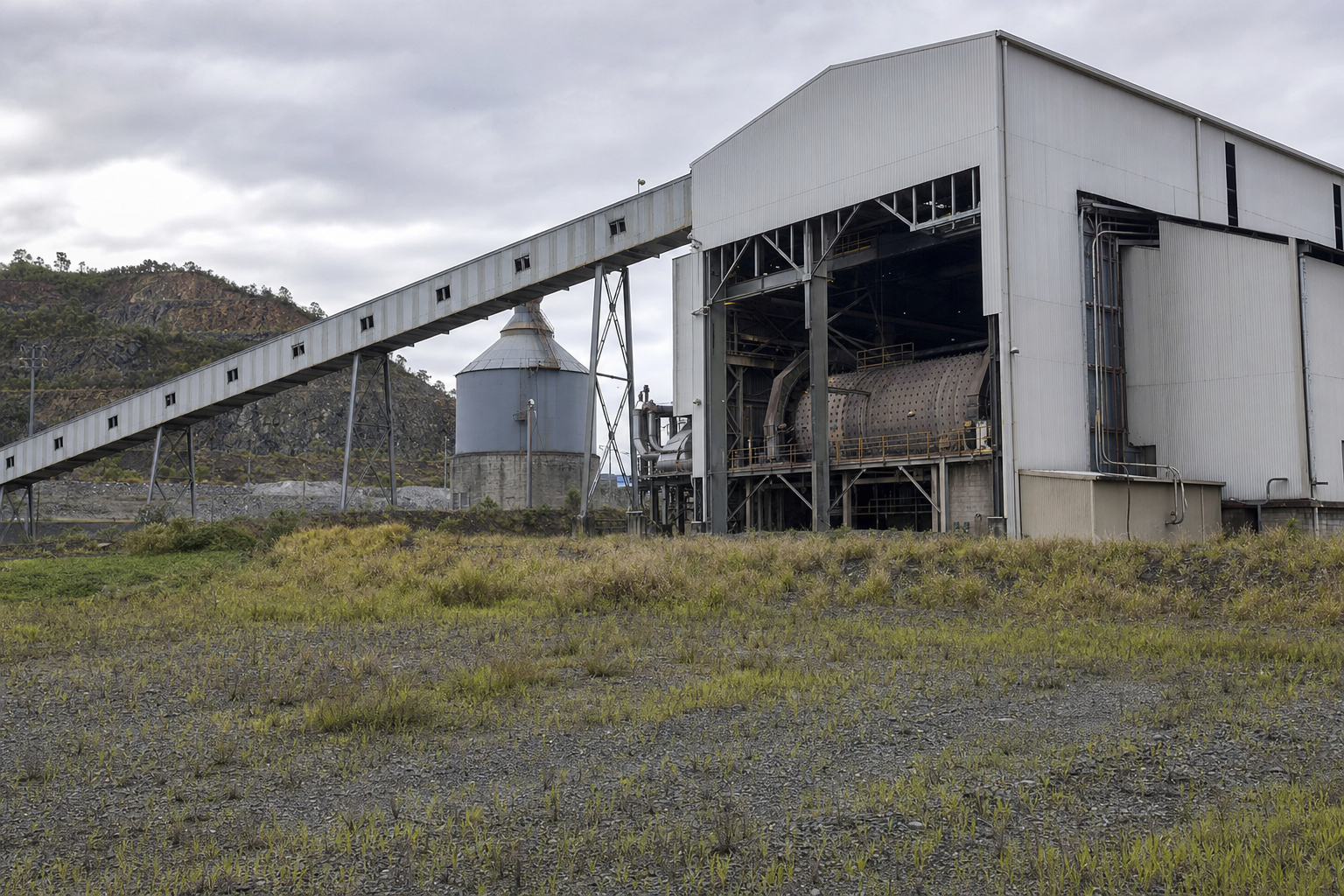
FireFly has identified a copper‑gold system situated near an idle processing mill, adding a second target to evaluate in parallel with its proposed Ming restart and expansion. The proximity of mineralization to dormant processing infrastructure is notable from an execution standpoint: if subsequent work confirms scale, grade and metallurgy, an existing mill can, in some cases, compress timelines and capital intensity relative to fully greenfield development. That outcome is contingent on compatibility between the ore and the plant’s flowsheet, the scope of refurbishment required, and prevailing regulatory conditions.
Copper‑gold systems often yield multiple revenue streams, but they also present technical variables that must be resolved early. Typical next steps include systematic drilling and sampling to define geometry and continuity, metallurgical testing to determine recoveries for both metals, and engineering studies to align mine plans with plant capacities. The company’s plan to test this discovery alongside a potential Ming restart and expansion suggests a dual‑track approach to optionality: advance a known asset while assessing the commercial potential of newly identified mineralization close to infrastructure.
Strategic Considerations
Brownfield settings with idle mills can be strategically valuable in the current development environment. Where feasible, re‑using processing equipment and site services can reduce lead times associated with permitting, construction and commissioning. Key risks remain: refurbishment costs can escalate after detailed inspections, legacy tailings and water management need to be addressed to current standards, and ore characteristics may differ from those originally contemplated for the plant. Integration decisions typically hinge on metallurgical fit, sustained throughput potential, and the ability to meet environmental and social obligations under updated frameworks.
For FireFly, the new copper‑gold system broadens the range of outcomes around its Ming plan. A successful restart and expansion could offer a development backbone, while a separate or integrated feed source near an idle mill—should it prove viable—could diversify scheduling and capital allocation options. Conversely, if testing reveals constraints at either asset, optionality enables sequencing or partnering alternatives rather than reliance on a single path.
Market Backdrop
Copper and gold continue to trade on distinct, though occasionally converging, fundamentals. Copper’s demand profile is influenced by electrification, grid expansion and capital investment cycles, while gold is shaped by currency dynamics, real rates and central bank activity. On the supply side, brownfield optimization and asset restarts are a material component of near‑term addition potential, particularly where infrastructure is already in place. Project outcomes like this one are therefore followed closely by market participants assessing prospective mine supply for both metals.
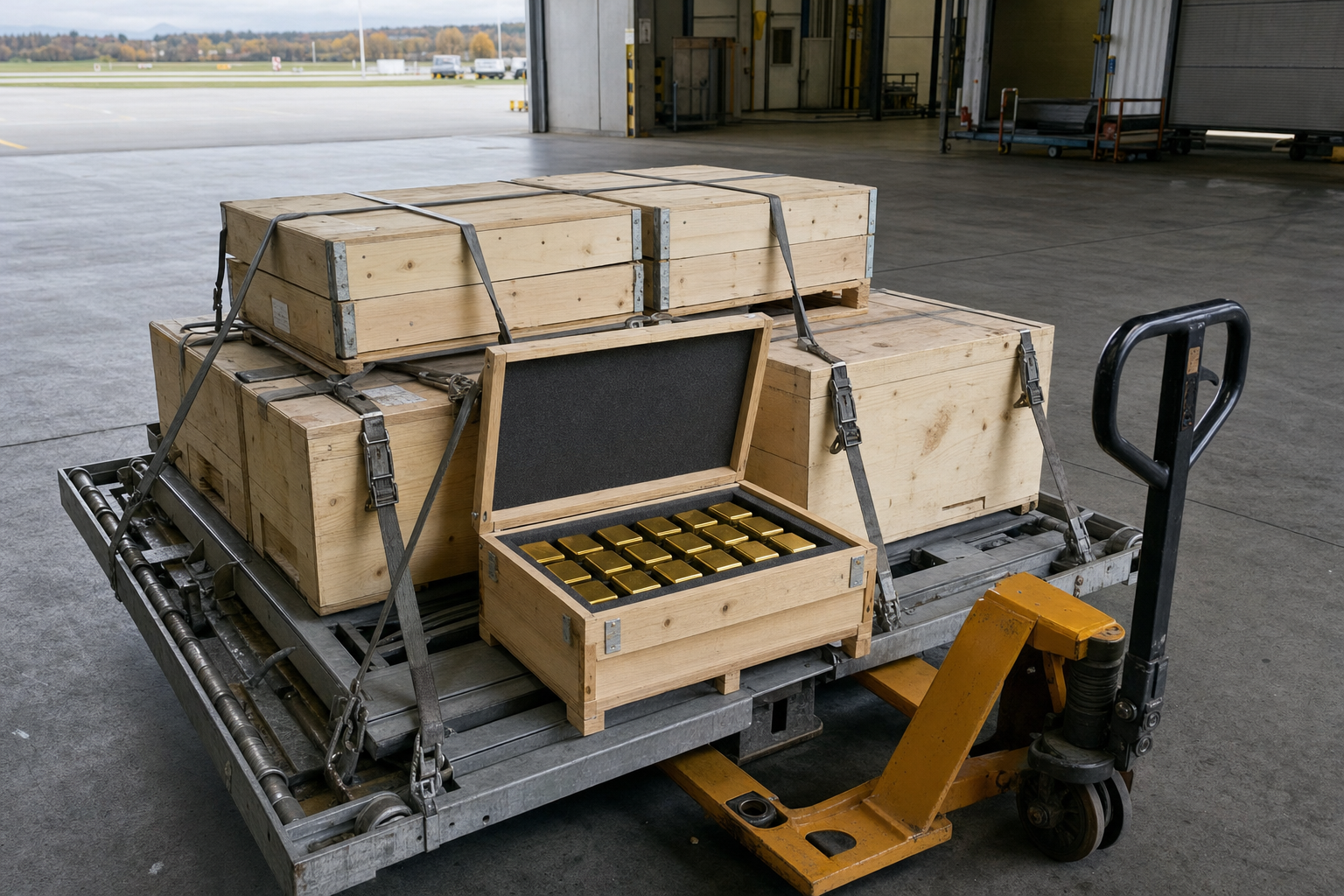
Physical market participants also track mine‑side developments as part of understanding future refined metal availability; in precious metals, some buyers prefer allocated physical ownership stored in secure vaults for direct title and custody clarity.