
August 20, 2026
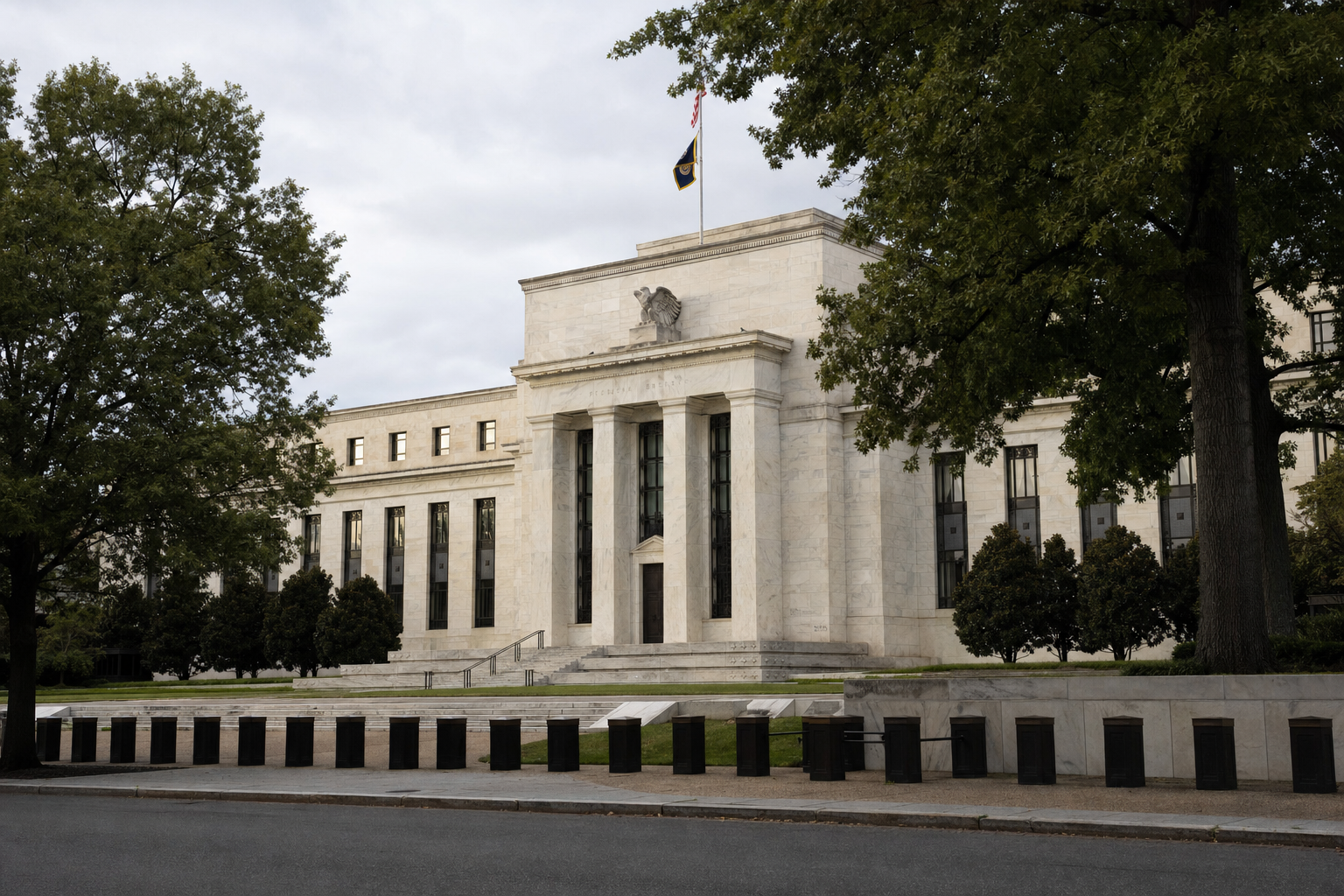
Fed Emphasis on Dual Mandate
San Francisco Federal Reserve President Mary Daly said the central bank remains focused on its congressionally assigned mandates even as the U.S. Treasury proceeds with its own actions in debt markets. The remarks underline the separation between monetary policy, which targets maximum employment and price stability, and fiscal financing operations conducted by the Treasury.
Daly’s comments reinforce a well-established policy framework: the Federal Reserve sets the stance of monetary policy to achieve inflation and labor market objectives, while Treasury determines the composition, timing and size of government borrowing and related market operations. While both institutions influence financial conditions, their roles are distinct. The Fed calibrates policy through its administered rates and balance sheet tools with an eye on macroeconomic outcomes; Treasury manages funding of the federal government and market functioning within its remit.
Treasury Operations and Market Transmission
Treasury actions can shift the mix of bills versus coupons, adjust auction sizes, and manage the Treasury General Account, with effects that propagate through liquidity, term premia and curve shape. Such changes can alter the distribution of duration that private investors are asked to absorb and can affect dealer balance sheets and collateral dynamics. Market participants routinely parse these developments alongside monetary policy signals, especially when funding conditions, reserve levels and volatility intersect.
Against that backdrop, Daly’s emphasis on mandates signals continuity: the Fed assesses incoming inflation and employment data and calibrates policy accordingly, while remaining attentive to how fiscal financing and market plumbing feed into transmission. The central bank can factor the consequences of Treasury’s actions into its assessment of overall financial conditions without targeting those actions themselves.
What Markets Will Watch
Investors will continue to monitor the interplay between macro data and financial conditions as they evaluate how policy and financing choices flow through rates, term premia and liquidity. Clarity around institutional boundaries typically helps markets anchor expectations, even when the near-term path of growth, inflation and issuance remains in flux.
For precious metals, distinctions between monetary policy settings and fiscal financing can influence real yields and dollar liquidity—key inputs to bullion pricing—while allocated, off-balance-sheet ownership provides direct title to metal independent of issuer credit risk.