
September 24, 2026
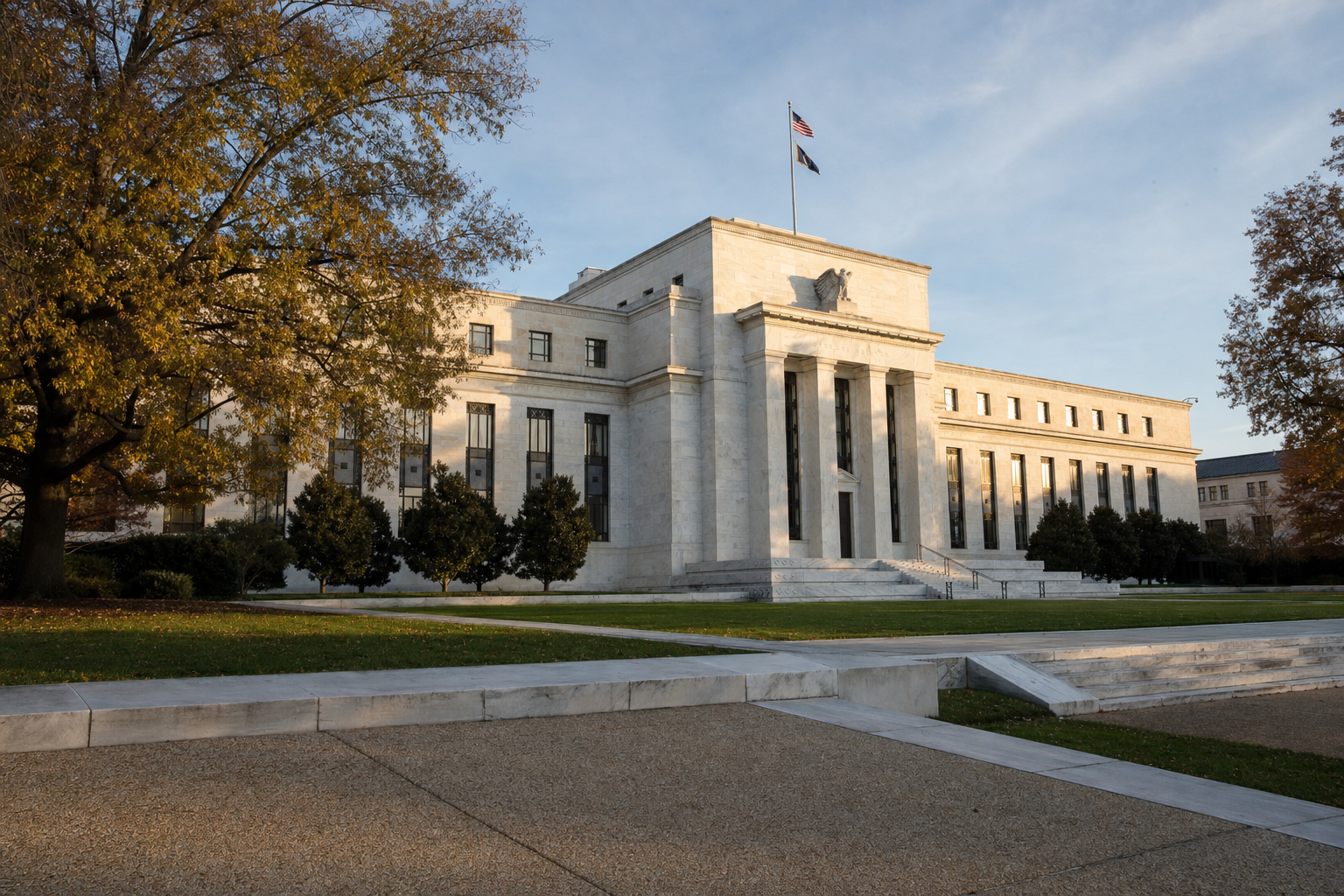
Policy Signal From Fed Officials
Federal Reserve officials indicated that policy rates may need to move higher to restrain still-elevated inflation. The remarks emphasize a willingness to act again if price pressures do not ease convincingly, keeping the policy stance squarely data‑dependent. While the pace of inflation has moderated from earlier peaks, officials framed the outlook as one where risks remain tilted toward persistence, warranting vigilance and the option of additional tightening.
The communication places focus on incoming prints for inflation and economic activity as the determinant of the next steps. With the 2% inflation objective unchanged, evidence of sticky components—particularly in services and shelter—would weigh heavily in deliberations. Conversely, clearer disinflation across a broad array of categories would reduce the case for further increases. The message maintains optionality and aims to preserve the credibility of the inflation‑fighting framework.
Transmission Channels And Market Considerations
Higher policy rates operate through multiple channels: raising the cost of credit for households and businesses, tightening financial conditions, and, over time, tempering demand and wage growth. A firmer rate path also tends to support real yields and can strengthen the dollar, dynamics that historically create headwinds for non‑yielding assets. For precious metals, the interplay is nuanced: higher real rates raise the opportunity cost of holding bullion, yet periods of macro uncertainty or inflation variability have at times supported demand for gold and silver as portfolio diversifiers.
Interest‑sensitive sectors such as housing and discretionary spending are typically the first to reflect tighter settings, while longer‑term investment and hiring decisions adjust more gradually. Credit conditions in bank and capital markets provide an additional read‑through on how policy is transmitting beyond the policy rate itself. Market participants will parse these signals alongside corporate guidance and inventory trends to gauge whether disinflation is proceeding without undue strain on activity.
What To Watch
The near‑term focus turns to core inflation measures, unit labor costs, wage growth, and surveys of pricing intentions in services. Headline consumer prices and the core personal consumption expenditures index will frame the inflation narrative, while payrolls, unemployment claims, and participation data will inform assessments of labor‑market balance. Measures of consumer spending, business investment, and purchasing managers’ indices will help identify whether demand is cooling sufficiently to bring inflation to target without a deeper downturn.
Policy communications—including speeches, meeting statements, and minutes—will be evaluated for any shift in reaction function or tolerance for inflation overshoots. The breadth of disinflation across categories, rather than any single data point, remains central to judging whether additional rate increases are warranted. For holders of allocated physical bullion, the path of real yields and inflation remains a primary macro driver of medium‑term demand dynamics.