July 31, 2026
What Happened
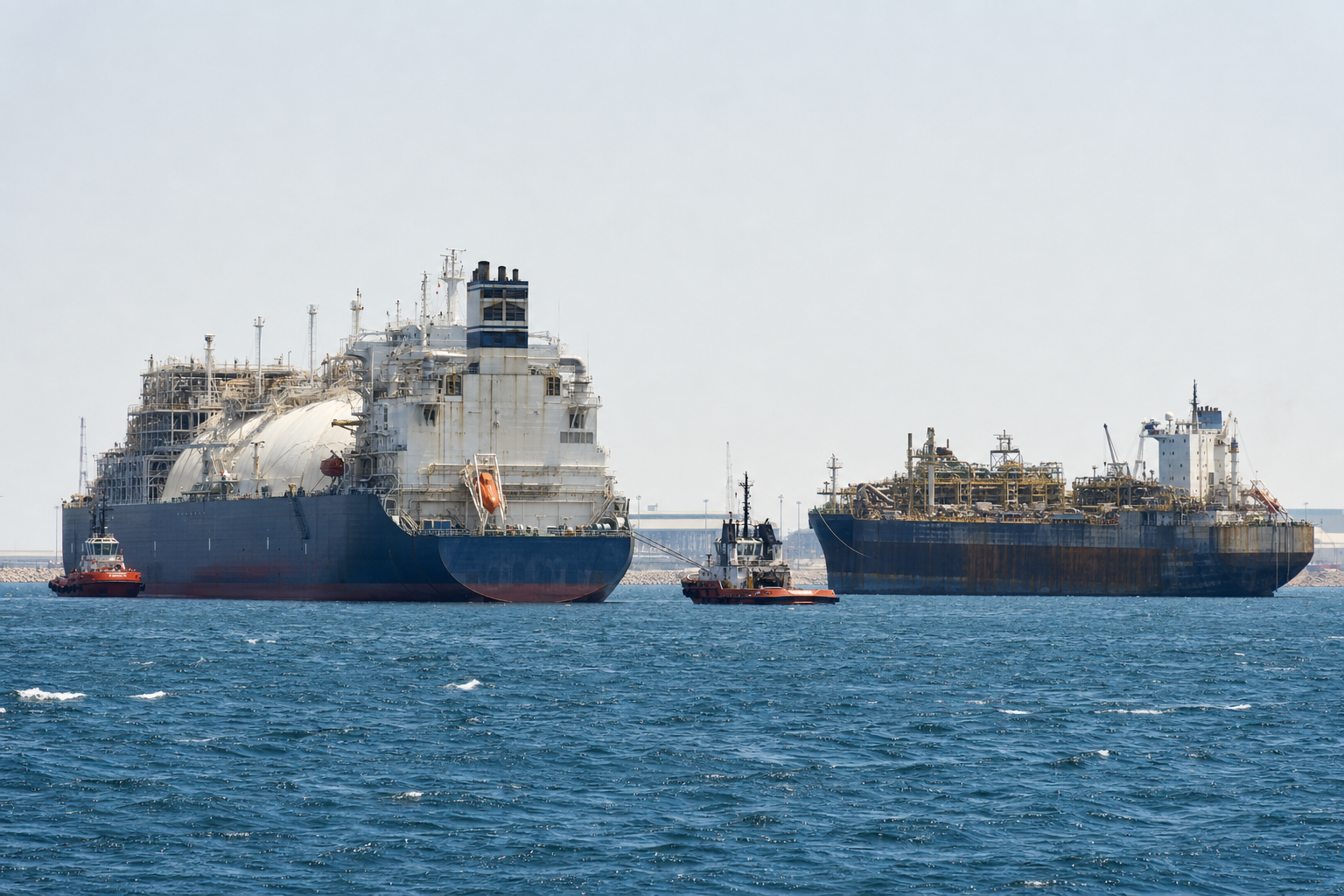
A drone attack reached Egypt’s Mediterranean gas infrastructure for the first time in the war, striking vessels at Damietta port on Wednesday. At least two drones hit the US‑owned Energos Winter floating storage and regasification unit (FSRU) and a second gas‑processing vessel. Both ships caught fire and were moved offshore for safety. No casualties were reported.
Egyptian military investigators are examining how the drones penetrated several layers of air defence in the area. The incident targeted assets central to gas handling on the country’s northern coast, marking a rare escalation into the eastern Mediterranean energy domain.
Operational Status and Response
Port operations have resumed after emergency actions to secure the affected vessels and remove them from the immediate harbor area. Fire damage assessments and technical inspections are expected to determine the timeline for any repairs or return to service, but authorities have prioritized restoring safe continuity of marine movements and terminal activity around Damietta.
The immediate response focused on isolating the impacted ships, mitigating fire risk and preventing secondary damage to quayside infrastructure. With no injuries reported, the operational posture has shifted from emergency containment to investigation and incremental normalization of port functions.
Energy and Security Implications
The strike underscores the vulnerability of floating gas infrastructure—particularly FSRUs and processing vessels—to low‑altitude, hard‑to‑detect airborne threats. Such units, by design, operate close to shorelines and shipping channels, complicating air‑defense coverage and raising the importance of layered surveillance, rapid interception, and hardened safety protocols.
In the near term, market attention will focus on three fronts: the condition and availability of the two damaged vessels; any temporary constraints on berthing and tug operations at Damietta; and the posture of regional air‑defense and maritime security around critical energy nodes in the eastern Mediterranean. Even with port activity restored, perceived risk may translate into tighter operating procedures and potentially higher security and insurance costs for vessels calling at nearby facilities.
More broadly, the event illustrates how conflict dynamics can spill into coastal energy logistics, challenging assumptions about distance and deterrence around Mediterranean assets. While the physical impact has been contained so far, continuity of gas handling, shipping schedules and confidence in protective measures will be watched closely by operators and charterers.
Episodes that disrupt energy logistics often prompt reassessment of real‑asset exposures and custody arrangements, including allocated physical metal holdings as a form of diversification.