October 23, 2026
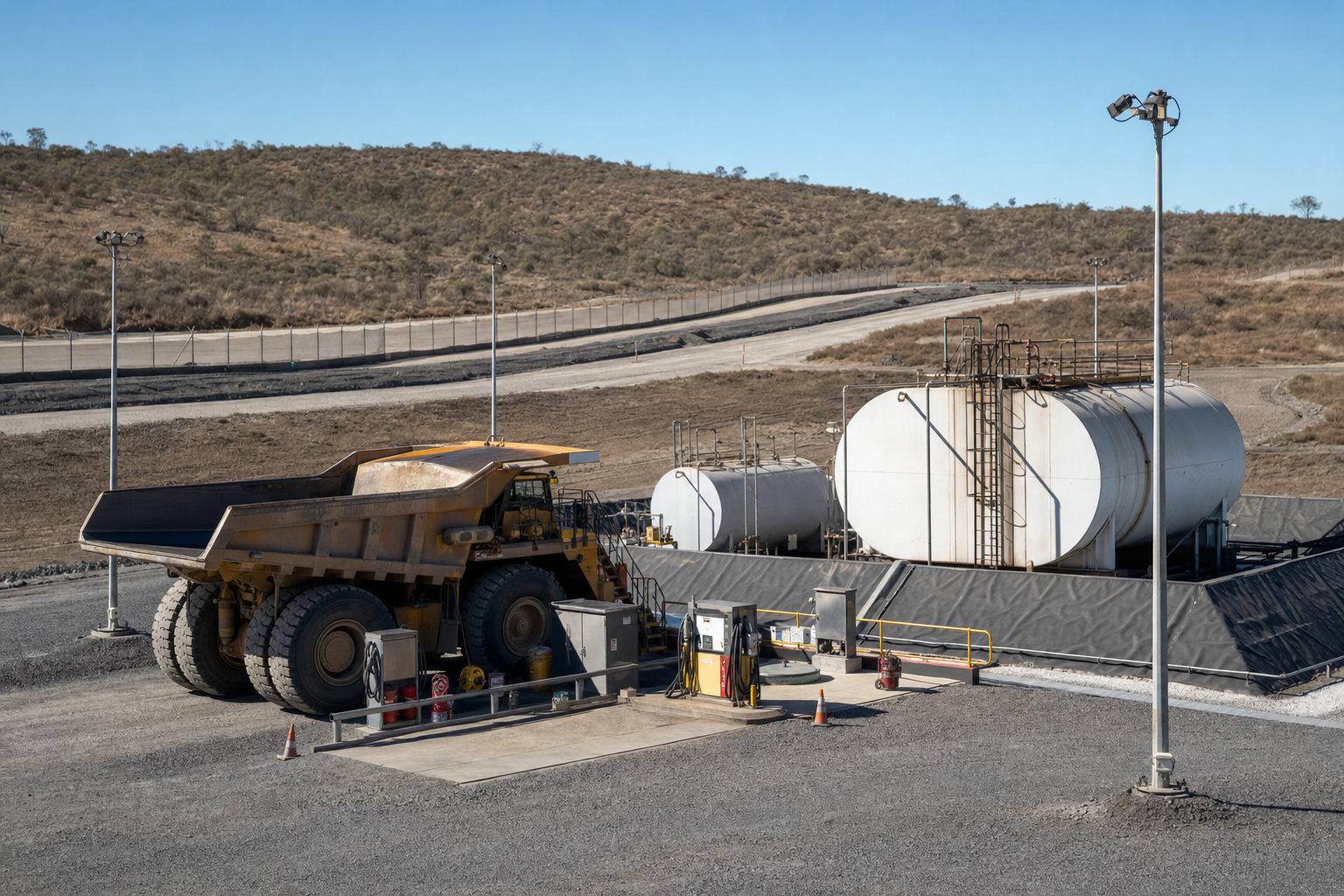
Rising diesel costs are tightening operating margins across parts of the mining sector. Fuel-intensive copper and iron ore operations are seeing higher energy bills feed directly into unit costs, while elevated bullion prices are providing a partial offset for gold-focused producers.
Fuel Costs Move Up the Cost Curve
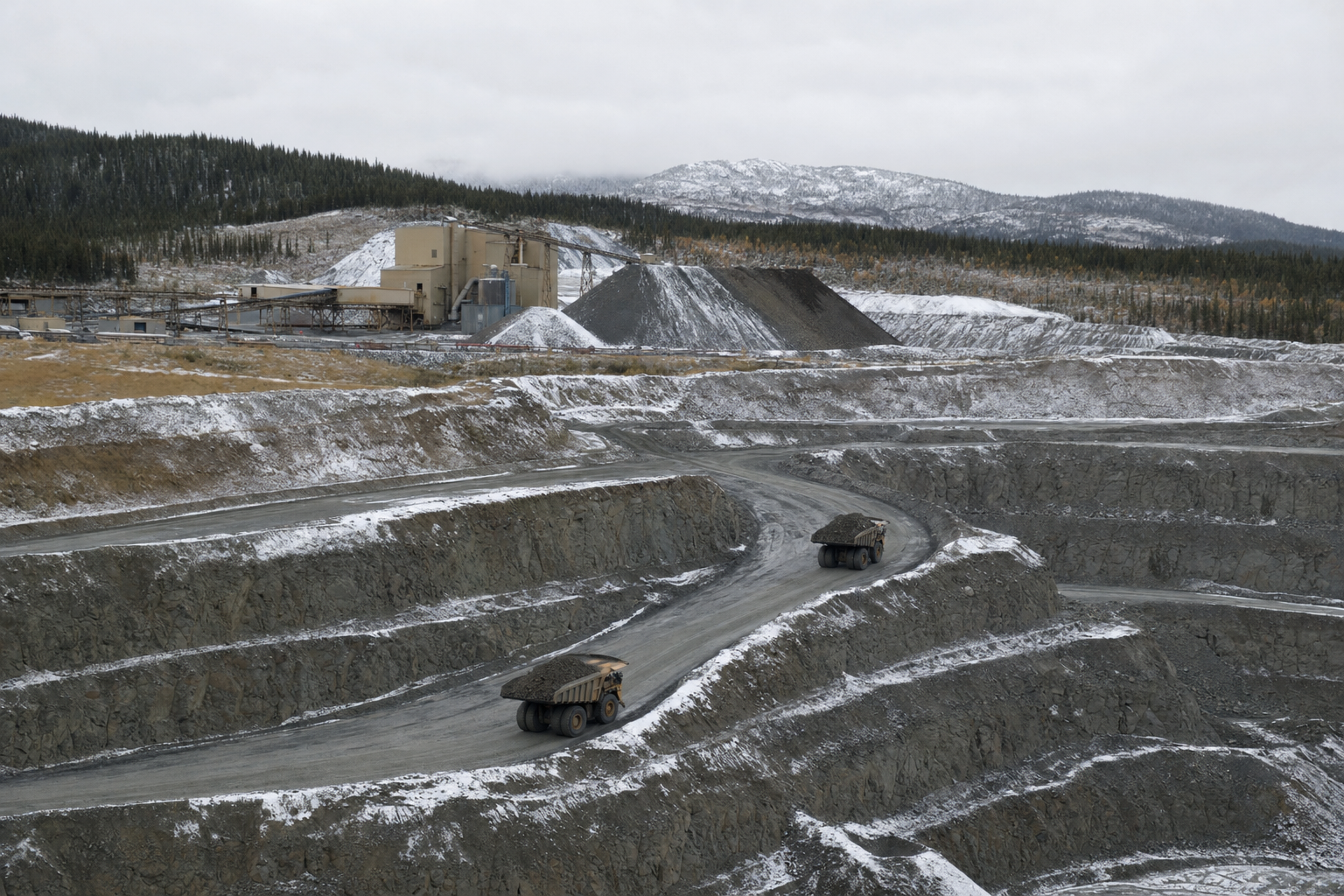
Diesel is a core input for large-scale surface and some underground mines, powering haulage fleets, drilling and ancillary equipment, as well as on-site power generation where grid access is limited. When fuel prices rise, cost inflation transmits quickly to cash costs per tonne moved and per tonne produced. That transmission is especially visible in bulk and base‑metal operations that rely on continuous movement of large ore and waste volumes.
Copper and iron ore producers, in particular, face margin compression when fuel outlays climb faster than any efficiency gains or cost offsets available on site. Higher diesel costs compound with existing logistics and maintenance expenses, lifting the all‑in cost base and nudging portions of the global cost curve higher. For operations with longer haul distances, deeper pits, or higher strip ratios, the sensitivity to diesel can be pronounced, leaving less headroom if realized sale prices do not expand in parallel.
Diverging Impact Across Commodities
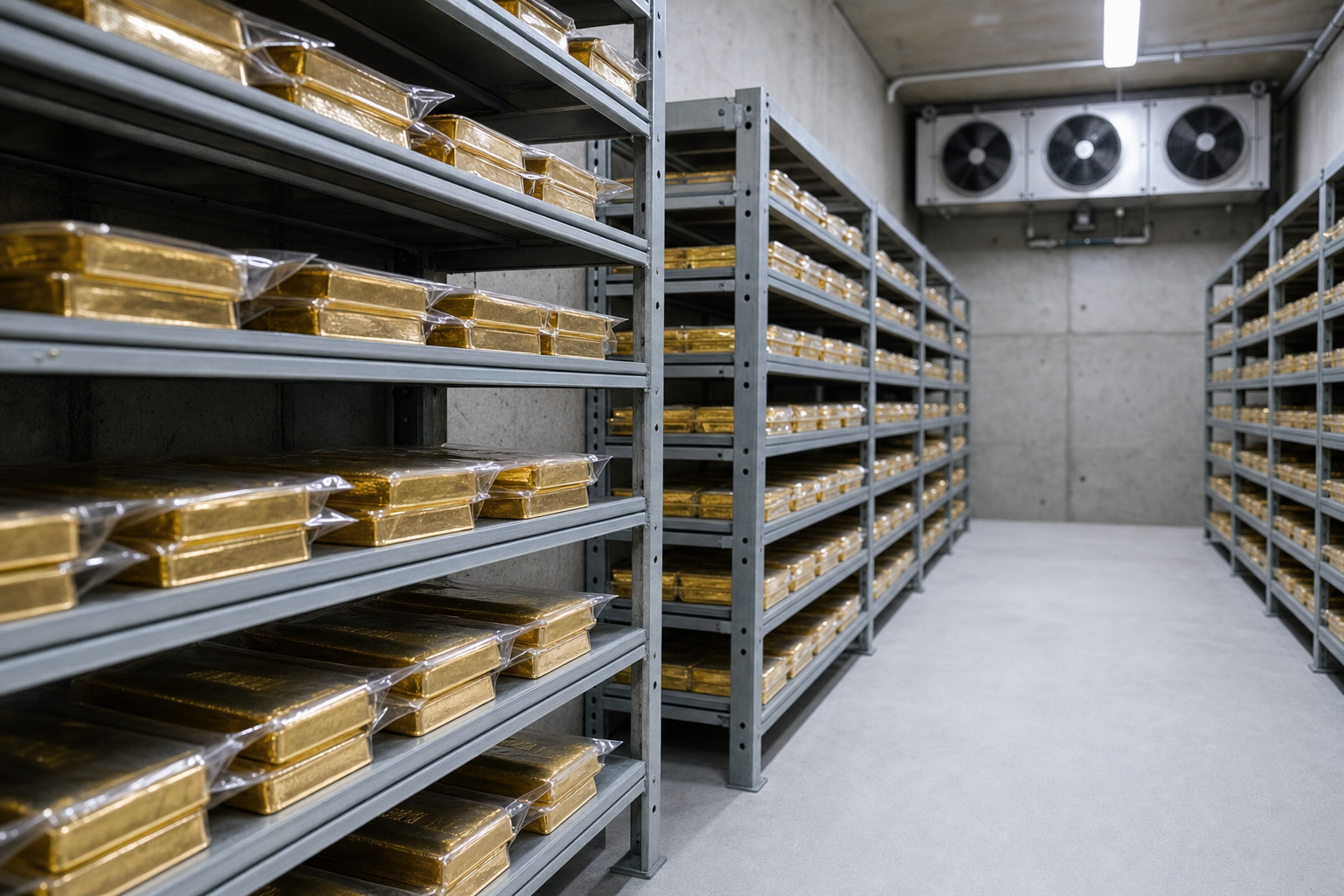
The industry impact is uneven. Gold producers are benefiting from strong bullion prices, which help to protect mine‑level margins even as fuel and other consumable costs increase. While diesel is also material to open‑pit and remote gold mines, the revenue line has, for now, provided a buffer that many base and bulk commodity producers lack.
By contrast, copper and iron ore operations must navigate the dual challenge of energy cost inflation and the high throughput nature of their businesses. In such settings, each incremental rise in fuel spend can dilute margins on a per‑tonne basis unless countered by productivity improvements or other cost reductions. That pressure may show up in guidance ranges and discretionary spending choices as operators focus on preserving cash flow and prioritizing essential capital.
What to Watch
- Operating cost guidance: Updates from miners may reflect higher diesel assumptions in near‑term cost ranges.
- Mine plans and sequencing: Producers can adjust pit phases, haul profiles or equipment utilization to manage fuel intensity, though such changes take time to realize.
- Hedging and procurement: Where available, fuel purchasing strategies can smooth near‑term volatility, but do not remove the underlying cost trend.
Stronger bullion pricing underlines a recurring divergence between precious‑metal and industrial‑metal producers when energy costs accelerate. For holders of allocated physical bullion, mining margin swings do not alter the custody or fine content of vaulted metal.