
September 12, 2026
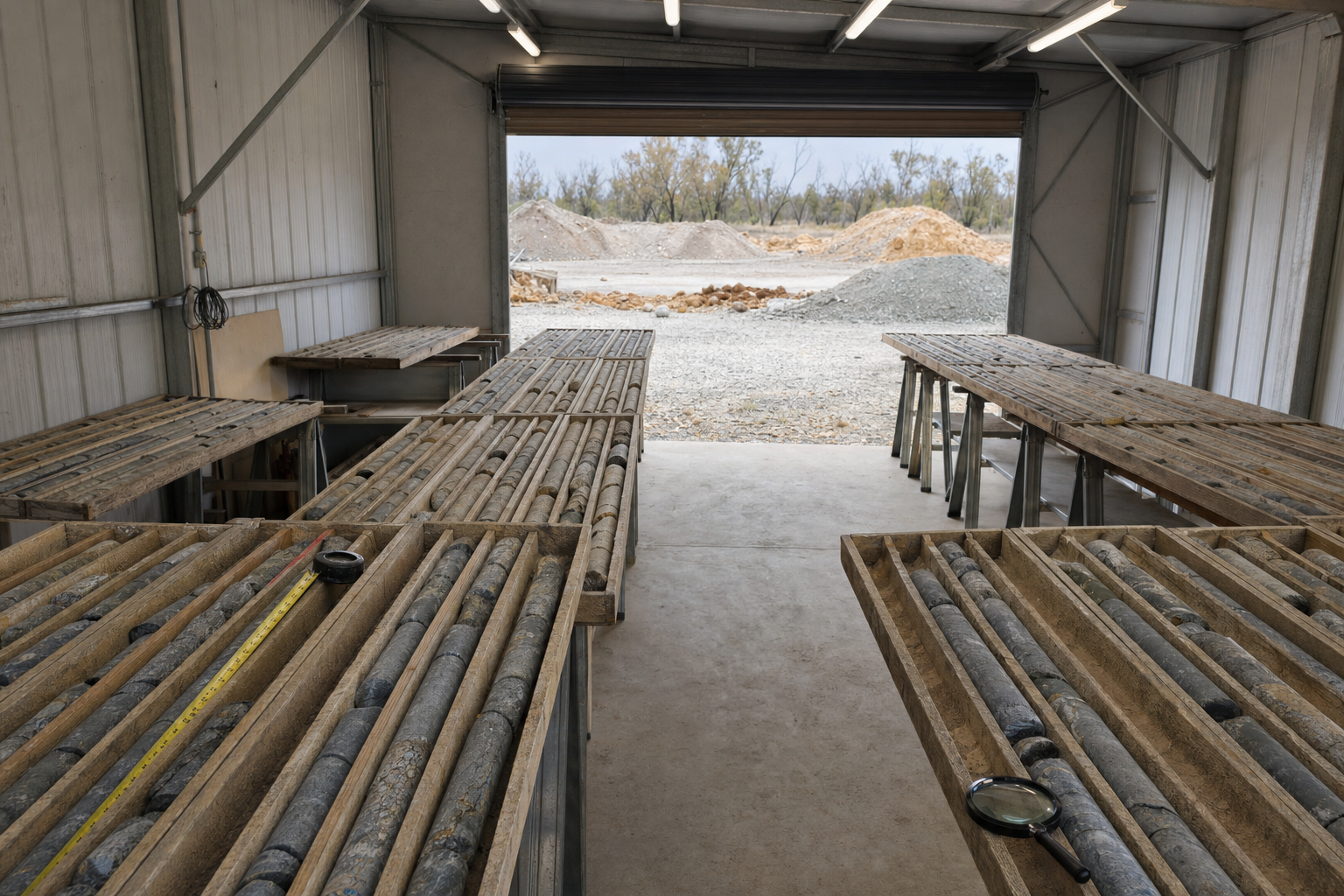
Collective’s shares moved lower after the company outlined a 4.1 million‑ounce gold resource for its Apollo project. Management framed the update as a step in an ongoing program, emphasizing that drilling is continuing and that there is room to expand the mineral endowment.
Market Reaction to a New Resource Line
Equity markets often reassess exploration names when a formal resource number is published. Beyond the headline ounces, investors typically weigh factors such as confidence categories, average grade, cut‑off assumptions, geometry and continuity of mineralization, and the balance between open‑pit and underground potential. While those technical details were not disclosed alongside the headline figure, the immediate share‑price response indicates a recalibration as the market digests the scale signalled by the 4.1 million‑ounce tally.
Resource releases can mark an inflection point in valuation modelling. Exploration premiums based on discovery potential tend to migrate toward estimates anchored in tonnage, grade and engineering inputs. Depending on what is published in the underlying technical statement, models may adjust for expected mining method, strip ratio, anticipated metallurgical recoveries, infrastructure needs and capital intensity. In that context, post‑announcement volatility is common as the market aligns expectations with the latest datapoint.
Drilling Continues, Expansion Potential Cited
A company executive said there is an opportunity to expand Apollo through an ongoing aggressive drill program. In practice, growth paths typically involve step‑out drilling to extend mineralized envelopes, testing of parallel or deeper targets, and infill to upgrade confidence where appropriate. Additional workstreams—metallurgical testwork, geotechnical and hydrological studies, and baseline data collection—usually advance in parallel to inform future engineering decisions.
If subsequent drilling were to add tonnage or define higher‑confidence domains, the resource base could evolve over successive updates. That iterative process, common across gold discoveries, is often punctuated by periodic technical reports as new data are incorporated. The pace and outcome depend on drill density, geological complexity and access to capital, among other variables.
What the Update Means in Project Terms
A resource estimate quantifies mineralization with reasonable prospects of eventual economic extraction, but it is not a reserve and does not, on its own, define a mine plan. Converting resources to reserves typically requires detailed engineering, permitting pathways and cost estimates at study level. For Apollo, the 4.1 million‑ounce figure establishes a reference point for future work; the share‑price move underscores how each increment of technical disclosure can reset market assumptions.
For investors tracking gold exposure, the episode illustrates a recurring feature of the sector: exploration equities can be sensitive to new data releases, while allocated physical bullion represents direct ownership of metal rather than project‑specific development outcomes.