
September 1, 2026
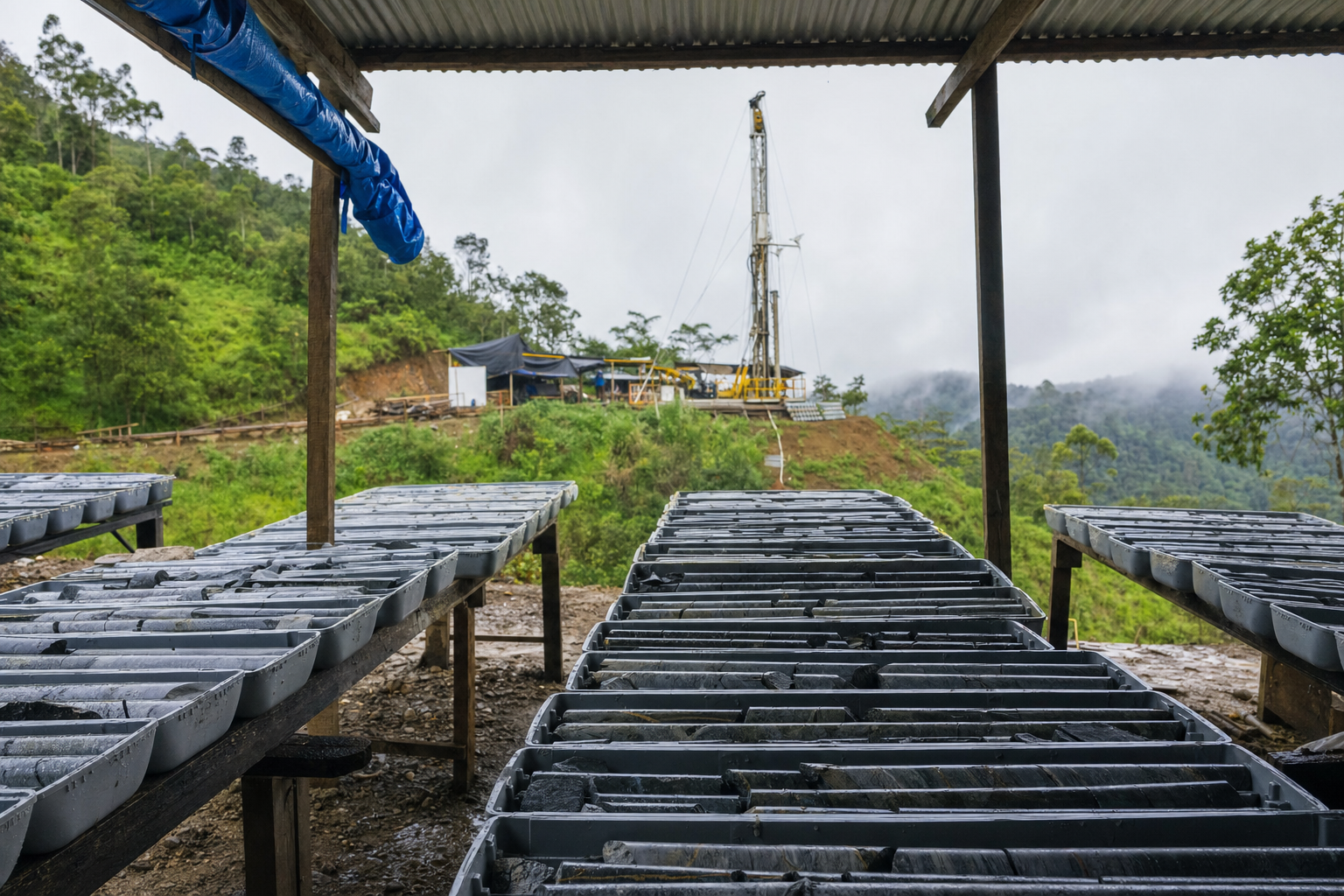
High-Grade Intercept Extends Apollo System
Collective Mining has extended the mineralized footprint at its Apollo system in Colombia on the back of a 15 grams-per-tonne (g/t) gold intercept. The new result underlines the presence of high-grade mineralization within the broader system and adds incremental geological evidence ahead of a forthcoming initial resource statement. While details such as interval thickness and precise geometry were not disclosed in the latest update, a 15 g/t grade is considered notably high in gold exploration terms and supports continued attention on the target area.
In exploration parlance, “extending” a system typically means confirming mineralization beyond previously defined limits, either laterally or at depth. Each additional intercept helps refine the three-dimensional model by tightening the spatial relationship between grade, rock type and structure. For projects at the pre-resource stage, such datapoints can be consequential in delineating mineralized domains and informing assumptions used later in resource classification.
Initial Resource Imminent
An initial mineral resource estimate for Apollo is expected this month. First-pass resources typically categorize material as Inferred, and in some cases Indicated, depending on drill density, continuity and data confidence. The process generally incorporates a geological model, variography, grade interpolation, density measurements, and quality assurance/quality control protocols, all overseen by an independent qualified professional. Cut-off grades are selected to reflect reasonable prospects for economic extraction, with sensitivity analysis often presented to show how tonnage and grade respond to different thresholds.
The timing places focus on how the latest high-grade intercept will be treated within the model. Late-stage results can influence the interpretation of mineralized envelopes and the delineation of higher-grade shoots, though the impact depends on location, continuity and supporting assays around the new datapoint. The forthcoming statement will provide the first formal quantification of contained metal and grade distribution for Apollo and a baseline against which subsequent drilling can be measured.
Context and Implications
Colombia remains an active jurisdiction for gold exploration, with multiple districts being evaluated for both high-grade and bulk-tonnage styles of mineralization. Advancing from discovery to resource is a key milestone, offering a structured framework for understanding scale and quality while setting the stage for future technical studies.
High-grade intercepts do not, on their own, determine project economics; geometry, continuity, metallurgy, access, permitting and costs all matter. Still, results at the grade level reported here typically concentrate attention on potential high-grade domains within larger systems, where even modest tonnages can be impactful. As the initial resource for Apollo is released, subsequent work programs often focus on infill to upgrade confidence and step-outs to evaluate growth potential.
Exploration outcomes shape the pipeline of future mine supply; allocated physical bullion, by contrast, represents existing metal held in vaults today.